
Table of Contents
FIFA Stands Firm on Controversial World Cup Hydration Breaks
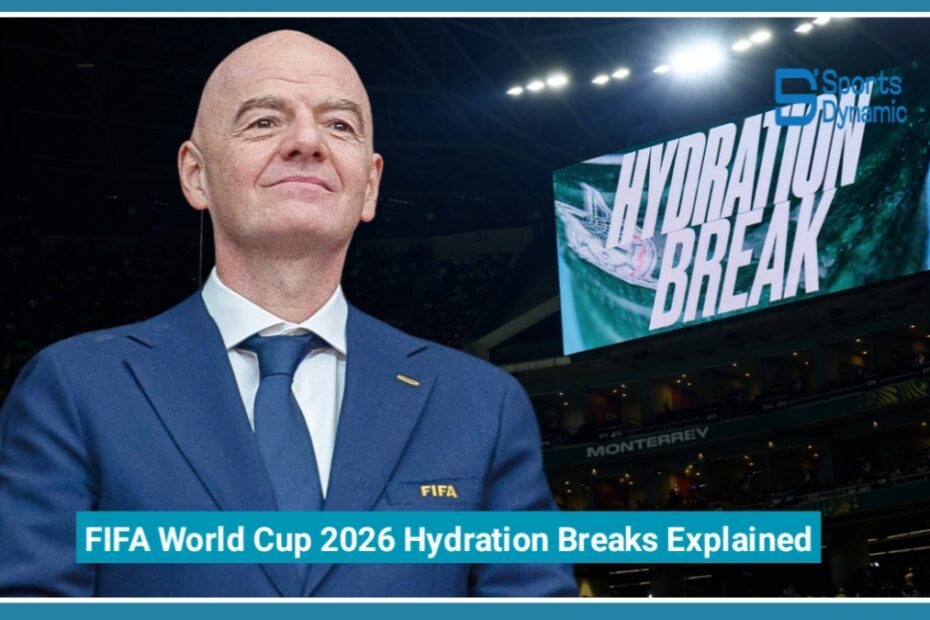
The FIFA World Cup 2026 has been packed with exciting matches, surprise results, and unforgettable moments. But apart from the football action on the pitch, one topic that has been getting a lot of attention is FIFA’s decision to introduce mandatory hydration breaks during matches.
Many fans, football experts, and former players have been discussing whether these breaks are really necessary. Some people believe they are important for the players’ health, while others feel they interrupt the natural flow of the game. As the debate continues, FIFA President Gianni Infantino has stepped forward to defend the decision and make FIFA’s position clear.
According to Infantino, the hydration breaks were introduced with one goal in mind — protecting players from extreme weather conditions and helping them perform at their best throughout the tournament.
Why FIFA Introduced Mandatory Hydration Breaks
The 2026 FIFA World Cup is being played across the United States, Canada, and Mexico, with many host cities experiencing high temperatures and humid weather during the summer season. Football at this level demands incredible physical effort, and players often cover several kilometers during a single match.
FIFA felt it was important to take extra precautions to ensure the health and safety of players. That’s why hydration breaks were made mandatory in every game, regardless of where the match is being played.
These short pauses allow players to drink water, cool down, receive medical attention if needed, and prepare themselves for the remainder of the match. FIFA officials believe that keeping players properly hydrated can reduce the risk of exhaustion, cramps, and heat-related illnesses.
The organization also believes that football is becoming faster and more physically demanding every year, making player welfare more important than ever before.
Growing Criticism From Coaches and Fans
While FIFA has defended the rule, not everyone agrees with it.
Several coaches and football analysts have argued that the hydration breaks disturb the rhythm of matches. Football is known for its continuous action, and many people feel that scheduled stoppages take away some of the excitement that makes the sport special.
Some managers have questioned why hydration breaks should be mandatory even in matches played under comfortable weather conditions. They believe officials should have the flexibility to decide based on temperature rather than applying the same rule everywhere.
Fans have also shared mixed reactions on social media. Some supporters appreciate FIFA’s concern for player safety, but others feel that the breaks slow down momentum, especially during intense moments when one team is dominating the game.
As the tournament progresses, discussions around the rule continue to grow, making it one of the most talked-about off-field topics of the World Cup.
Commercial Motive Allegations Gain Momentum
One of the biggest criticisms aimed at FIFA is the belief that hydration breaks create extra opportunities for television advertisements.
Many viewers noticed that broadcasters often use these stoppages to air commercials, leading to speculation that financial interests may have influenced the decision.
Critics argue that football has become increasingly commercialized over the years and that hydration breaks could be another example of business interests becoming more important than sporting traditions.
Because broadcasters can earn significant advertising revenue during these short intervals, some fans have questioned whether the breaks were designed partly for television networks rather than purely for player welfare.
This theory quickly spread across social media and sports discussion platforms, adding fuel to an already heated debate.
Gianni Infantino’s Strong Response
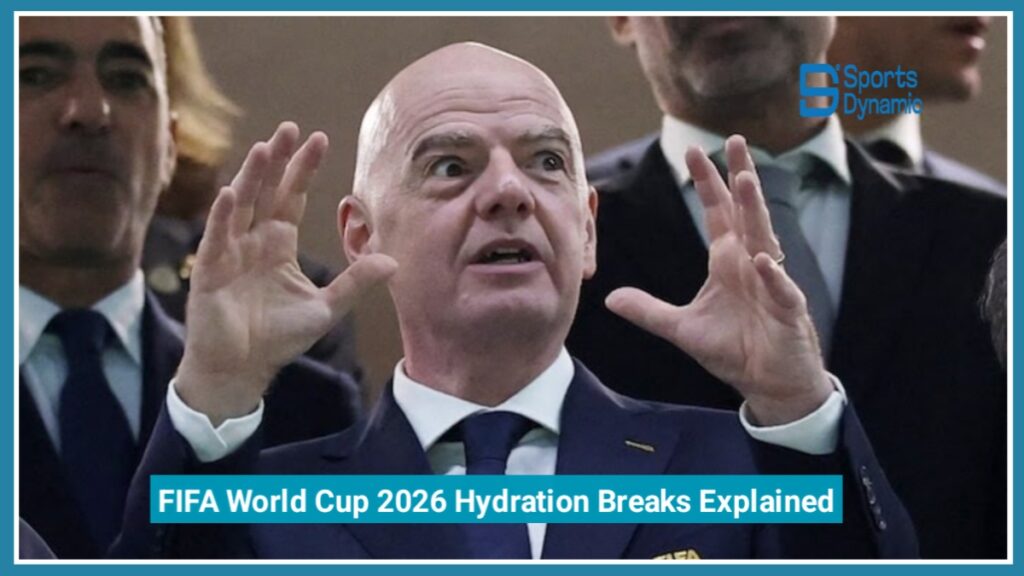
Faced with growing criticism, FIFA President Gianni Infantino firmly rejected the idea that money played any role in introducing hydration breaks.
Speaking to the media, Infantino made it clear that FIFA’s commercial agreements were already finalized before the tournament started. He insisted that FIFA does not receive any additional revenue because of the hydration breaks.
According to him, the breaks were introduced solely to help players cope with difficult weather conditions and maintain their performance levels throughout the competition.
Infantino also pointed out that how broadcasters choose to use the stoppages is entirely their decision and has nothing to do with FIFA’s reasons for implementing the rule.
His comments were aimed at ending speculation and reassuring fans that player welfare remains the organization’s top priority.
FIFA Claims Breaks Improve Match Quality
Interestingly, FIFA believes that hydration breaks may actually make football more entertaining rather than less exciting.
The governing body argues that when players are properly hydrated and physically refreshed, they can maintain higher energy levels for longer periods. This allows teams to continue playing with intensity even in the later stages of matches.
Modern football requires constant running, pressing, and quick transitions between attack and defense. Small recovery periods can help players remain sharp both physically and mentally.
Some coaches have even used the hydration breaks as brief tactical meetings. During these moments, managers can quickly communicate adjustments, motivate players, and discuss strategies before play resumes.
Supporters of the policy believe this creates an additional tactical dimension that can make matches even more interesting.
The Fairness Argument
Another important point raised by FIFA is the issue of fairness.
Infantino explained that if hydration breaks were only used in certain matches based on weather conditions, some teams would receive extra opportunities to regroup and discuss tactics while others would not.
By making the rule universal across the tournament, FIFA believes every team is competing under the same conditions.
This approach ensures consistency and prevents any team from gaining an advantage simply because of where or when their match is played.
While not everyone agrees with this logic, FIFA considers it an important reason for keeping the hydration break rule in place.
The organization believes that equal treatment across all matches is essential for maintaining competitive balance throughout the tournament.
Could Hydration Breaks Become Permanent?
One of the biggest questions now is whether hydration breaks will remain part of future FIFA tournaments.
Although the rule was introduced specifically for the 2026 World Cup, FIFA officials have indicated that they will carefully study its impact after the competition ends.
If the organization concludes that the breaks have successfully improved player welfare without negatively affecting the game, there is a strong possibility they could become a regular feature of future international tournaments.
However, the final decision will likely depend on feedback from players, coaches, medical experts, broadcasters, and fans.
Given the strong opinions on both sides of the debate, FIFA will have plenty to consider before deciding the future of the policy.
The discussion surrounding hydration breaks perfectly reflects the challenges facing modern football. On one side are those who want to preserve the traditional flow of the game, while on the other are those who believe player health must always come first.
Gianni Infantino has made FIFA’s position clear by insisting that the breaks were introduced purely for sporting and medical reasons, not for commercial gain. However, the debate shows no signs of disappearing anytime soon.
As the FIFA World Cup 2026 moves forward, hydration breaks will continue to divide opinions among fans and experts alike. Whether they eventually become a permanent part of football or remain a one-time experiment, they have already become one of the defining talking points of this historic tournament.
For now, the controversy continues, and football supporters around the world will be watching closely to see how FIFA handles the issue in the years ahead.
Also Read This:
Spain 4-0 Saudi Arabia: Lamine Yamal and Oyarzabal Shine in World Cup 2026 Masterclass
India vs Ireland T20I Series to Go Ahead as Planned, Vaibhav Sooryavanshi Eyes International Debut
FOLLOW FOR LATEST UPDATES