
Table of Contents
India vs Pakistan at the T20 World Cup 2026
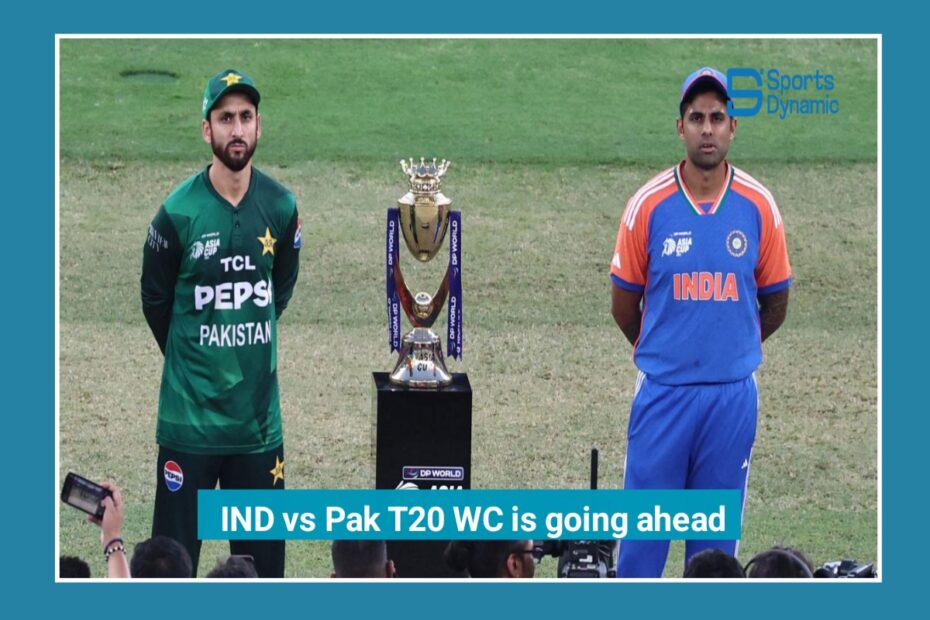
The biggest rivalry in cricket India vs Pakistan is back in the spotlight, and this time it’s not just about what happens on the pitch. There was a tense moment recently, with talks almost breaking down and fans holding their breath, wondering if this hugely anticipated ICC Men’s T20 World Cup 2026 clash would even take place.
Thankfully, a solution was finally reached, and the match is now confirmed to go ahead on February 15 in Colombo.
But here’s the thing this isn’t just another cricket match. It’s arguably the most important game in the world of sport right now, especially outside of a FIFA World Cup final. The reason? Money.
A lot of it. Broadcasters, sponsors, rights holders, and fans all over the world make this game a huge commercial event. We’re talking hundreds of millions of dollars flowing into the ICC and its partners, just because of this single fixture.
So when fans watch the teams battle it out, there’s a lot more at stake than just the scoreboard. Every run, every wicket, and every thrilling moment carries not just pride and passion, but a massive financial impact that affects cricket globally.
In many ways, the sheer value of this India-Pakistan clash shows why it’s more than a game it’s a spectacle that captures attention, emotion, and yes, big business, all at once.
A Week of High Drama and Financial Pressure
The whole drama kicked off earlier this month when Pakistan suddenly hinted that it might not play its scheduled T20 World Cup match against India.
This was a rare and surprising move, and it had a lot to do with the ongoing geopolitical tensions in the region. The trigger came after Bangladesh pulled out of the tournament, citing security concerns about traveling to India. That decision paved the way for Scotland to take Bangladesh’s spot in the tournament.
Pakistan initially said it would stand with Bangladesh, hinting that it might refuse to take the field against India as a form of protest. Naturally, this caused an immediate wave of worry among cricket authorities, tournament organizers, and broadcasters.
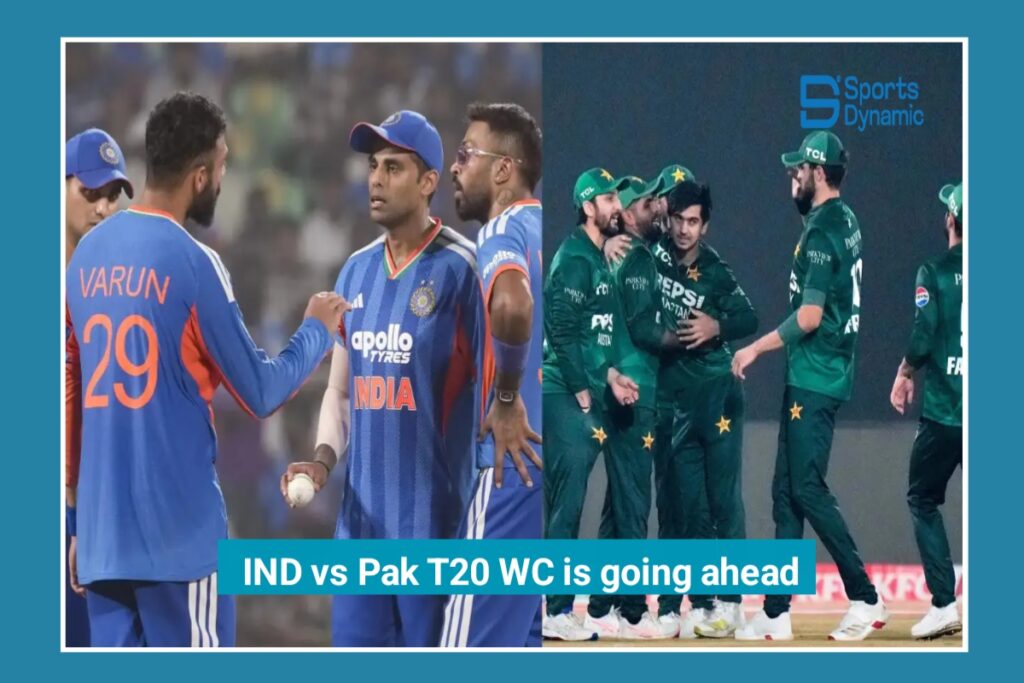
After all, the India vs Pakistan match isn’t just any game It’s arguably the most watched cricket fixture in the world. Millions, if not hundreds of millions, tune in from both countries and across South Asian communities living overseas.
Missing this match would have been more than just a sports headline it would have hit the finances really hard. To give some perspective, industry estimates suggest that a World Cup clash between India and Pakistan could pull in around USD 250 million, which is over ₹2,200 crore, from TV rights, advertising, digital streaming, sponsorships, ticket sales, and other related commercial activities.
And this isn’t just revenue for the ICC; broadcasters like JioStar in India also benefit massively, and even host countries gain through tourism and game-day spending. In short, the stakes go way beyond cricket this game is a financial juggernaut as much as it is a sporting spectacle.
Financial Stakes for the ICC and BCCI
The ICC’s global media rights deals which are worth billions of dollars rely heavily on big-ticket matches like India vs Pakistan. These games aren’t just exciting on the field; they also send TV ratings through the roof, which in turn makes advertising space extremely valuable.
During a high-stakes India vs Pakistan match, even a ten-second ad slot can sell for tens of lakhs or more. And the impact doesn’t stop there it spreads to sponsors, merchandise partners, and even secondary advertising markets in other countries.
From the ICC’s point of view, losing this match would have been a serious financial hit. It wouldn’t just affect one tournament; it could have long-term consequences too, potentially shaking trust with media partners and affecting future broadcast deals.
One insider, quoted by the media, estimated that Pakistan’s decision to reverse its boycott might have saved as much as USD 174 million when you add up all the revenue streams — from broadcasting to ticket sales to sponsorships.
For the BCCI, India’s cricket board, which is already the richest in the world, the stakes are just as high. With India’s huge fan base and massive market, games involving Team India pull in the biggest viewership numbers.
Missing this fixture would have been a serious commercial blow, both financially and in terms of the ICC’s global calendar. Interestingly, despite Pakistan’s initial threats to boycott, there was no public suggestion that India even considered pulling out.
That alone shows just how financially crucial this India–Pakistan clash has become it’s not just a match; it’s a money-maker, a spectacle, and an essential part of international cricket.
Why Pakistan Finally Relented
After several tense days filled with uncertainty, back-and-forth negotiations, and anxious speculation among fans, a breakthrough finally happened.
Diplomatic discussions, along with talks between cricket boards the ICC, the Pakistan Cricket Board (PCB), and the Bangladesh Cricket Board (BCB) helped pave the way.
A key tripartite meeting in Lahore ended with Pakistan agreeing to play the match exactly as it was scheduled. Shortly after, the Pakistan government officially instructed the national team to take the field on February 15.
While Pakistan had initially presented its potential boycott as a matter of principle, most media reports suggest that money played a huge role in the decision to reverse course. The PCB knew that missing the match wouldn’t just mean losing out on fans’ excitement it would also hit them hard financially and could weaken their influence within the ICC and with other cricket boards around the world.
Other cricket boards, including the Emirates Cricket Board, reportedly warned Pakistan that canceling the game could trigger massive financial fallout.
On top of that, Pakistan’s domestic cricket infrastructure depends heavily on revenue from ICC events and international cricket.
Estimates suggest that the PCB earns around USD 34–35 million a year from ICC revenue distributions which is actually just a fraction of the money generated by a single India vs Pakistan match.
This clearly shows the economic imbalance and why skipping the fixture could have exposed serious financial vulnerabilities for the PCB.
In short, it wasn’t just about pride or politics; it was about protecting the board’s financial stability and ensuring that Pakistan stays an active, respected player on the global cricket stage.
Sporting Integrity vs Financial Reality
The resolution came as a big relief for cricket administrators, but it hasn’t exactly quieted all the debates. Fans, analysts, and commentators have had mixed reactions, with many pointing out that the match seems to have been saved more for financial reasons than for sporting merit or fair competition.
Some critics argue that this whole situation highlights a bigger issue in international cricket tournaments. The way groupings and schedules are often designed to guarantee blockbuster, high-value matches rather than letting things unfold naturally through pure competition.
For cricket purists, this brings up a deeper question: should the scheduling of matches be guided by fairness and competitive integrity, or should money and commercial returns call the shots? The reality, as this episode clearly shows, is that the economics of global cricket often end up playing a deciding role.
Even when political tensions are high or diplomatic issues arise, the lure of marquee matchups like India vs Pakistan is strong enough to overcome those obstacles. In other words, money talks, and in world cricket, it sometimes speaks louder than politics, pride, or principle ensuring that these high-profile matches almost always go ahead no matter what.
Broader Implications for Cricket and Diplomacy
Beyond just money and cricket boards, the whole India Pakistan standoff and how it was eventually resolved really shows how sport and geopolitics often intersect. Bangladesh’s withdrawal over security concerns set off the initial chain of events, and Pakistan’s eventual reversal highlights how international pressure, diplomacy, and financial logic can all come together to shape big decisions in sports.
The ICC, for its part, has stressed the importance of maintaining tournament integrity. Its stance has always been that all qualified teams should compete on a level playing field, and this episode reaffirmed that commitment.
At the same time, the organization also had to balance commercial interests, making sure that the financial stakes tied to marquee matchups were protected. It’s a delicate mix of fairness and business, and in this case, both played a role in bringing the teams back together.
Looking ahead, with the India vs Pakistan clash now officially confirmed for February 15, 2026, the T20 World Cup will go on with one of its biggest attractions intact.
Fans in both countries along with millions more watching from around the world are now gearing up for what promises to be another thrilling encounter between two fiercely competitive cricketing nations.
At the same time, this whole episode is a reminder of just how much money shapes modern professional cricket. Diplomacy, corporate interests, and sporting integrity are more intertwined than ever before.
Whether that’s a good thing or bad for the long-term health of cricket is still up for debate. But for now, the focus is back on the game, and fans can enjoy one of cricket’s greatest rivalries playing out on the world stage, right on schedule.
Key Take aways:
The India vs Pakistan T20 World Cup match will take place on February 15, 2026, after Pakistan reversed its planned boycott.
Financial considerations including massive revenue from broadcasting, sponsorships, advertising, and ticket sales played a major role in ensuring the match went ahead.
Estimates suggested that canceling the fixture could have cost as much as USD 174–250 million.
The standoff also highlighted how economics and geopolitics can influence big decisions in international cricket.
Also Read This –
Netherlands’ Stunning Victory in Delhi | Powerful Performance Against Namibia in T20 World Cup 2026
FOLLOW FOR LATEST UPDATES