

Table of Contents
India’s Batting: Balance of Aggression and Responsibility
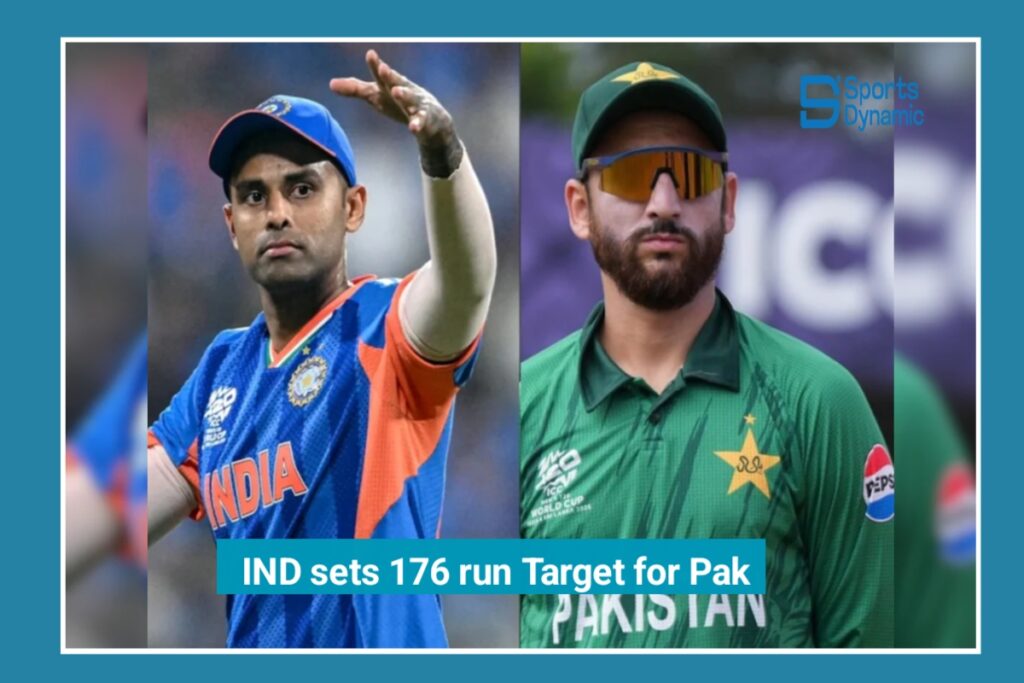
In another exciting chapter of one of cricket’s biggest rivalries, the India national cricket team put up a strong total of 175 runs, giving the Pakistan national cricket team a tough target of 176 runs to chase in 20 overs. Fans from all over the world were glued to their screens, knowing that this match was going to be full of drama, emotions, and high-pressure moments.
India vs Pakistan matches are never just about runs and wickets. They are about pride, history, and the feelings of millions of supporters. Every boundary is celebrated loudly, and every wicket feels personal. This match was no different, as both teams gave their best and created a thrilling atmosphere.
After winning the toss, India decided to bat first and came in with a clear mindset. Their plan was simple: start fast, build strong partnerships in the middle, and then attack hard in the last few overs. The openers began confidently, playing smart cricket. They rotated the strike well, avoided risky shots, and punished any loose balls. During the powerplay, India scored freely without losing control, which helped them gain early momentum.
By the end of the first six overs, India had built a solid base and put pressure on Pakistan’s bowlers. The middle-order batters then carried the innings forward. They played calmly, mixing stylish shots with powerful hits. Instead of trying to hit every ball for a boundary, they focused on singles, doubles, and steady runs. This sensible approach helped India keep the scoreboard moving even after losing a few wickets.
In the final phase of the innings, India increased the tempo. The batters started playing more aggressively, hitting big shots, running quickly between the wickets, and finding gaps in the field. Pakistan’s bowlers tried their best to control things in the death overs, but India still managed to score important runs.
Despite some tight bowling at the end, India finished at 175 runs, which looked like a strong and competitive total on a slightly slow pitch. It was the kind of score that could put real pressure on the chasing team.
Overall, India’s innings was a perfect mix of smart planning, patience, and timely aggression. Now, with 176 needed to win, the stage was set for an intense and exciting chase, promising fans another unforgettable India-Pakistan clash.
Pakistan’s Bowling: Moments of Brilliance Amid Pressure
Pakistan’s bowlers showed many good moments during India’s innings. In the beginning, their fast bowlers bowled with good pace and bounce, which made life difficult for Indian batters. The ball moved nicely, and for some time, it looked like Pakistan could control the match. In the middle overs, they also managed to take a few important wickets, which helped them slow down India’s scoring.
The spinners played an important role too. They bowled with smart variations in speed and flight, confusing the batters and forcing them to make mistakes. Because of this, Pakistan was able to pick up some crucial wickets and stop India from scoring too quickly for a while.
However, not everything went according to plan. At some key moments, Pakistan lost focus. A few overs went for too many runs, and some unnecessary wides and no-balls gave India extra chances. These small mistakes proved very costly in the end. In a big match like this, every single run matters, and India made full use of these loose deliveries to boost their total.
Now, with a target of 176 runs in 20 overs, Pakistan faces a tough challenge. To win, they need to score at almost nine runs per over, which is possible in today’s T20 cricket. But doing this against a strong and disciplined Indian bowling attack, especially under so much pressure, is not easy at all.
In past India-Pakistan matches, successful chases usually depended on a few key things. First, a solid opening partnership is very important. If the openers give a good start, the whole team gets confidence. Second, one big innings from a star batter can change the game completely. And finally, calm thinking in the last few overs is necessary to handle pressure.
Pakistan’s batting lineup has plenty of talent and power hitters who can score quickly. They have the ability to chase this target, but they will need to stay focused, avoid careless shots, and handle pressure well. If they remain calm and play smart cricket, they can give India a serious fight in this exciting match.
Pakistan’s Batting: Responsibility on Senior Players
When Pakistan started their chase, everyone’s attention was on their top-order batters. The opening pair had a very important job. It was not just about hitting boundaries and scoring fast, but also about staying at the crease and protecting their wickets. A good and steady start in the first six overs could give Pakistan a big advantage and build confidence in the team.
If the openers managed to play calmly and score well during the powerplay, it would make things much easier for the batters coming later. But if Pakistan lost early wickets, the pressure would quickly shift to the middle order, making the chase much more difficult.
The senior and experienced players were expected to play a responsible role. Their main task was to stay on one end, control the innings, and guide the team in tough situations. By doing this, they could give freedom to the aggressive batters on the other side to play attacking shots and score quickly.
At the same time, the young players had a golden chance to prove themselves. Performing well in a big match like India vs Pakistan can turn a young cricketer into a hero overnight. This was their moment to show confidence, courage, and skill on the biggest stage.
The middle overs were likely to be the most important part of the chase. If Pakistan could keep scoring regularly and avoid losing too many wickets during this phase, the target would start to look achievable. But if they slowed down or kept losing batters, the required run rate would rise quickly, putting them under even more pressure.
In simple words, Pakistan’s success depended on smart batting, strong partnerships, and calm thinking. If they managed these things well, they could stay in the game till the very end.
India’s Bowling Strategy: Defend with Discipline
Defending a score of 175 runs is never easy, especially when the opposition has a strong and dangerous batting lineup like Pakistan. Still, India’s bowlers came into the second innings with a clear game plan and strong confidence. They knew exactly what they needed to do and tried their best to follow the strategy from the very first ball.
In the beginning, India’s fast bowlers focused on swinging the ball and using seam movement. They bowled with good discipline, keeping the ball in the right areas and not giving easy runs. During the powerplay, their main aim was to stop boundaries and build pressure. By bowling tight lines and proper lengths, they forced the batters to work hard for every run.
As the match moved into the middle overs, India brought in their spinners to slow things down. The spinners used different speeds and smart variations to confuse the batters. Sometimes they bowled slow and sometimes a bit quicker, making it difficult for Pakistan to time their shots. They also used the pitch well, trying to make the ball grip and turn. This helped India control the flow of runs and create chances for wickets.
In the final overs, when the pressure was at its highest, India depended on their most experienced bowlers. These bowlers are known for bowling accurate yorkers and clever slower balls. Their role was very important at this stage. They had to stay calm, avoid mistakes, and not give away easy runs.
Although their task sounded simple—to give away fewer runs and take wickets at the right time—it was actually very tough in such a tense match. Every ball mattered, and one bad delivery could change the game. Still, India’s bowlers showed discipline, confidence, and fighting spirit while defending their total.
Crowd, Atmosphere, and Global Attention
Very few sports events in the world can match the excitement and passion of an India-Pakistan cricket match. Whenever these two teams play, stadiums are completely full, television viewership reaches record levels, and social media gets flooded with reactions, memes, and emotional posts from fans. People from both countries, and even from around the world, wait eagerly for this rivalry.
Inside the stadium, the atmosphere is something special. Fans wave their flags, chant for their teams, and celebrate every boundary and wicket like a festival. One good shot can bring thousands of people to their feet, while one wicket can change the mood instantly. The energy in the crowd makes the match even more intense and memorable.
For the players, performing in such an environment is not easy. Along with good batting, bowling, and fielding skills, they also need strong mental strength. Handling pressure, staying calm, and focusing on the game despite the noise and emotions around them is a big challenge. This match once again showed why the India-Pakistan rivalry is called the biggest and most exciting spectacle in cricket.
There were also several important moments in the match that changed its direction. One major turning point was India’s strong finish in the last few overs. They scored quick runs at the end, which pushed their total from just decent to really challenging.
Another key moment was when Pakistan’s bowlers took important wickets in the middle overs. For some time, this slowed down India’s scoring and gave Pakistan hope. Fielding also played a big role. A few brilliant stops near the boundary and some sharp catches saved valuable runs and created pressure.
The powerplay overs were also very important. Both teams’ approach in the first six overs set the tone for the rest of the match. A good start helped build confidence, while small mistakes created problems later.
In big matches like this, it is often these small moments that decide the final result. One extra boundary, one smart catch, or one tight over can completely change the game. That is what makes India-Pakistan matches so thrilling and unforgettable.
What Lies Ahead: A Nail-Biting Finish
With Pakistan needing 176 runs to win, the match is now perfectly balanced. Both teams still have a real chance, and everything depends on what happens in the next few overs. If Pakistan’s top-order batters play well and build strong partnerships, they can slowly take control of the chase and move closer to victory. A good start and steady batting can make this target look achievable.
On the other hand, if India manages to take early wickets and keeps the run rate under control, the pressure will quickly shift to Pakistan. Tight bowling and smart fielding can make scoring difficult, especially in such a high-pressure match. In that case, India will have a strong advantage while defending their total.
The last five overs of the match are expected to be the most exciting and important part. This is where nerves, experience, and smart decision-making matter the most. One big over can change the entire game, and one mistake can cost the match. Both teams will need to stay calm and focused till the very end.
Fans can be sure of one thing—this match is likely to go down to the last few balls. Every run, every shot, and every wicket will be watched closely by millions of people around the world.
In conclusion, this classic rivalry has once again delivered a thrilling contest. India’s score of 175 has created the perfect setting for an exciting chase, while Pakistan’s target of 176 is tough but still within reach. Now, everything depends on how well the players handle pressure, stick to their plans, and perform in crucial moments.
No matter who wins in the end, this match has once again proved why India-Pakistan games are so special. They are not just about winning or losing. They are about emotions, pride, fighting spirit, and love for the game. As the chase continues, millions of fans will stay glued to their screens, hoping to witness another unforgettable moment in this legendary rivalry.
Also Read This:
Ultimate Cricket Battle: India vs Pakistan 2026 T20 World Cup Match Faces Weather Challenge
FOLLOW FOR LATEST UPDATES