
Table of Contents
IND vs WI: India’s Costly Fielding Error
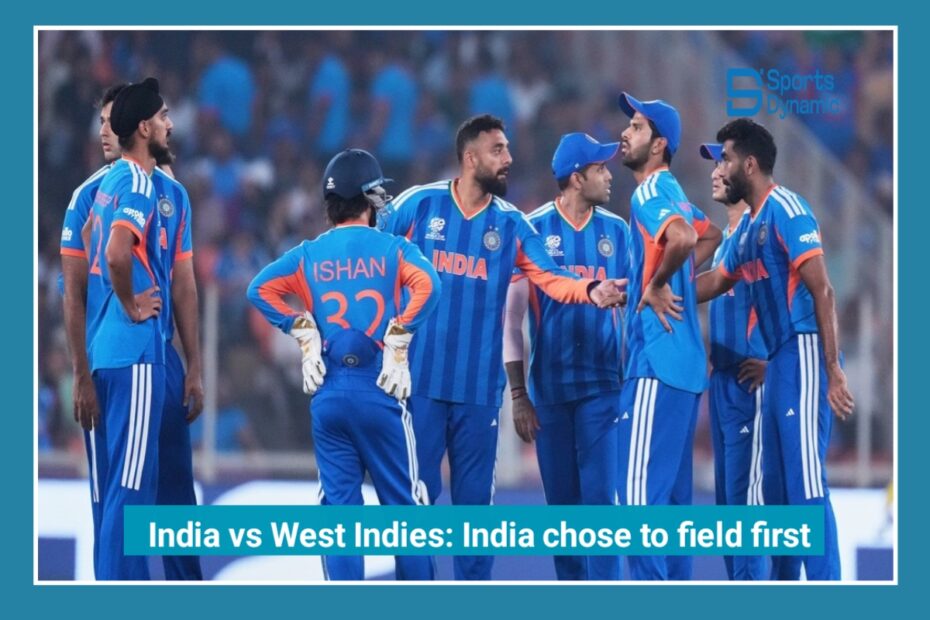
The much-awaited clash between India and West Indies in the T20 World Cup 2026 didn’t take long to heat up. Right from the toss, you could sense this was going to be a big one. India won the toss and decided to bowl first, which honestly seemed like a smart call. With the way pitches have behaved at Eden Gardens and the advantage teams often get while chasing under lights, the decision made complete sense on paper. But as we all know, cricket isn’t played on paper.
West Indies stepped out with a clear plan — attack from the start and don’t let the bowlers settle. Their openers looked confident and fearless, taking on the Indian pacers during the powerplay. There was no sign of hesitation. They went after anything slightly loose and made sure the scoreboard kept moving. That early intent immediately put India on the back foot.
But the real turning point came with a moment that India would love to take back. In a high-pressure World Cup game, even a small mistake can feel ten times bigger — and that’s exactly what happened here. A fairly straightforward catch in the deep was put down just when West Indies were starting to shift gears. It wasn’t one of those impossible chances. It was the kind of opportunity you expect to be taken at this level.
Instead of walking back to the pavilion, the batter got a lifeline. And in T20 cricket, giving a batter a second chance can be very dangerous. Within the next few balls, the same player began finding the boundaries. What could have been a crucial breakthrough suddenly turned into a massive momentum swing. The crowd that was ready to celebrate a wicket had to sit back and watch West Indies take control.
That dropped catch didn’t just cost a wicket — it changed the energy of the game. West Indies grew in confidence instantly. You could see it in their body language. The batters started playing their shots more freely, running harder between the wickets, and putting extra pressure on the fielders. On the other hand, India looked slightly rattled, even if just for a few overs.
Fielding has been one of India’s biggest strengths over the years. They’ve built a reputation for sharp catches, quick saves on the boundary, and athletic stops inside the circle. That’s why this mistake stood out even more. It’s not something you expect from such a well-drilled unit, especially on a big stage like the World Cup.
Eden Gardens added its own drama to the moment. The stadium was buzzing, the crowd fully behind India, and the atmosphere electric. When the catch went down, there was a loud gasp around the ground. Moments later, as the ball raced to the boundary, that excitement turned into stunned silence. In a venue like this, every moment feels bigger, every mistake feels heavier.
In tournaments like the T20 World Cup, these are the moments that define matches. One dropped chance, one misfield, one extra over of momentum — it can change everything. And right now, West Indies have grabbed that opportunity with both hands.
Of course, there’s still plenty of cricket left to be played. India have the experience and skill to bounce back quickly. But this early mistake has definitely made things more interesting than they would have liked. The game is perfectly set up now — tense, unpredictable, and full of drama.
West Indies’ Aggressive Approach
West Indies have always played T20 cricket in their own bold style. They don’t believe in just hanging around at the crease and waiting for things to happen — they like to make things happen. And that’s exactly what we’re seeing in this match. From the very beginning, their batters have looked positive and ready to take chances.
Instead of slowly settling in and building the innings ball by ball, they’ve chosen to back their shots during the powerplay. Of course, they’re not swinging blindly — the risks have been calculated. Whenever the ball has been in their zone, they’ve gone hard at it. That aggressive intent has made it tough for the Indian bowlers to find any early rhythm.
To be fair, the Indian bowlers have tried mixing things up. They’ve changed lengths, taken pace off the ball, and even tested the batters with short deliveries. But the West Indian batters have been prepared.
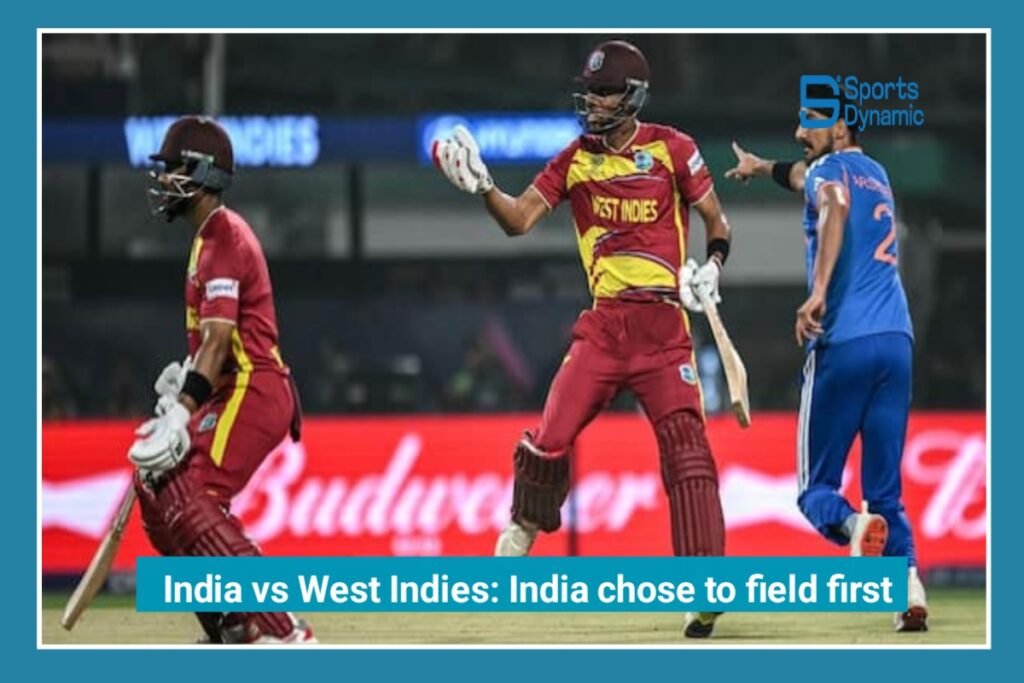
The short balls have been pulled with confidence, and anything slightly overpitched has been driven beautifully through the covers. They’ve looked clear in their approach — if it’s there to hit, it’s going to the boundary.
The Caribbean side knows very well that India have a powerful batting lineup. So their mindset is simple: put up a strong total and create pressure. They understand that in T20 cricket, scoreboard pressure can do a lot of damage, especially in a high-stakes World Cup game.
Even when play was briefly interrupted, the momentum was clearly with West Indies. They had already taken advantage of India’s earlier mistake and made sure they didn’t waste that opportunity. Instead of slowing down, they kept the runs coming and maintained control of the tempo.
Right now, they look confident, settled, and fully aware of what’s at stake. If they continue batting with this same intent and discipline, India will have a serious challenge ahead.
Tactical Call: Was Bowling First the Right Decision?
When India won the toss and chose to field first, the decision made sense on paper. Chasing under the lights at Eden Gardens has often been easier for teams, especially with dew likely coming into play later in the evening, making it tougher for bowlers to grip the ball. The Indian management clearly trusted their deep batting lineup to handle whatever total West Indies set. On paper, it looked like a smart, calculated move.
However, bowling first in a high-pressure, knockout-style group game always comes with its risks. If the opposition gets off to a fast start, pressure builds quickly on the fielding side. Now, imagine adding a dropped catch into that equation — suddenly, nerves come into play, and even an experienced side can look unsettled. That’s exactly what has happened here. One small mistake can snowball, and in T20 cricket, momentum is fragile and can shift within a single over.
That said, it’s still early in the innings. India have bowlers with experience and skill who know how to regain control. Just one well-timed wicket can completely swing the energy back in their favor. In this format, dominance is rarely permanent, and momentum can change rapidly.
After the fielding lapse, the responsibility squarely falls on the bowlers to step up. They now need to bowl with discipline, stick to good lengths, and use smart field placements. Patience will be key. West Indies are known for punishing loose balls, so every delivery counts. Tightening the screws and making them play every ball will be crucial.
Spinners could play a pivotal role as the innings moves forward. If the surface offers even a little turn or grip, clever variations and changes in pace can slow down the scoring rate. India will be aiming to take wickets in clusters — a strategy they’ve used effectively in earlier matches.
The biggest thing for India is not letting frustration take over. One mistake should never lead to a cascade of errors. Maintaining composure is absolutely vital in a tournament as intense as the T20 World Cup, where every over can drastically alter the course of the game. If the bowlers stick to their plans and remain calm, India still have plenty of time to turn the innings around and regain the momentum.
What This Means for the Match
Both teams clearly understand how crucial this match is in the group stage. Every point matters, and no one wants to give an inch. India, as one of the tournament favorites, came into this T20 World Cup with big expectations, but West Indies have always been a dangerous side in this format. They play fearless cricket, and on their day, they can trouble even the strongest opponents.
If the Caribbean side manages to put together a strong total, it could put India’s batting lineup under serious pressure. Early momentum in T20 games can make all the difference, and a confident West Indies side could turn a manageable chase into a tense situation. The psychological edge of batting with freedom while knowing the fielding side has already dropped a key catch cannot be underestimated.
On the flip side, if India manage to bowl tight lines and restrict the damage over the next few overs, that early fielding lapse might not end up affecting the final result as much as it seems right now. The game is still very much open, and there’s plenty of cricket left to be played.
India’s batting lineup is packed with explosive hitters, players who can turn a game around in just a few overs. Any target that’s within reach can still be chased down with their depth and experience.
But the key will be to not allow West Indies to settle in and gain confidence early. If the Caribbean batters continue to rotate strike well and hit boundaries freely, India’s chase could become a lot trickier than expected.
Right now, it’s a delicate balance — one over here, one breakthrough there, and the momentum could swing either way. Both teams are aware that in T20 cricket, nothing is guaranteed, and the pressure of a World Cup stage can magnify every small mistake or opportunity. This is why the match has become so captivating, with every run, every ball, and every fielding moment carrying huge significance.
Crowd Energy and Big-Match Feel
Eden Gardens is one of the most legendary and electrifying cricket venues in the world, and any match played here automatically comes with extra intensity and pressure. The energy of the crowd adds weight to every single delivery — every boundary, every appeal, and yes, every small mistake feels ten times bigger than usual.
When India dropped that catch, the stadium literally gasped in unison. Just moments later, when the ball raced away to the boundary, there was stunned silence, a moment that captured how high the stakes are in a World Cup match.
These are exactly the moments that define big tournament cricket. It’s not just about raw skill; it’s about nerve, composure, and the ability to execute under pressure. Every decision, every field placement, every delivery counts. India’s choice to field first looked like a smart and tactical call to begin with, setting the stage for an exciting battle.
But that early fielding error has complicated things more than they probably expected. West Indies, showing their fearless T20 mindset, have taken full advantage of the opportunity. They’re playing with confidence, attacking boldly, and refusing to let India regain control too quickly.
Even though the game is in a tricky phase for India, there’s still a lot of cricket left to be played in this high-pressure encounter. One crucial wicket, a magical over from a bowler, or a brilliant catch could instantly swing the momentum back in India’s favor. That’s the beauty of T20 cricket — it’s unpredictable, thrilling, and full of twists where the game can change in a matter of just a few balls.
As the innings progresses, every fan, every commentator, and every player will be watching closely to see if India can bounce back from their early lapse, or if West Indies continue to build momentum and post a commanding total.
This India vs West Indies clash is shaping up to be a true World Cup thriller — intense, dramatic, and impossible to take your eyes off. The combination of skill, strategy, pressure, and crowd energy makes it exactly the kind of high-octane cricket the T20 World Cup is known for.
Also Read This:
SA vs ZIM: Explosive Moment in T20 World Cup 2026 – Raza’s Double Strike Rocks South Africa
Heartbreaking Exit: Pakistan Beat Sri Lanka by 5 Runs but Crash Out of T20 World Cup 2026
FOLLOW FOR LATEST UPDATES