
Table of Contents
India Storm into Super 8s in T20 World Cup 2026
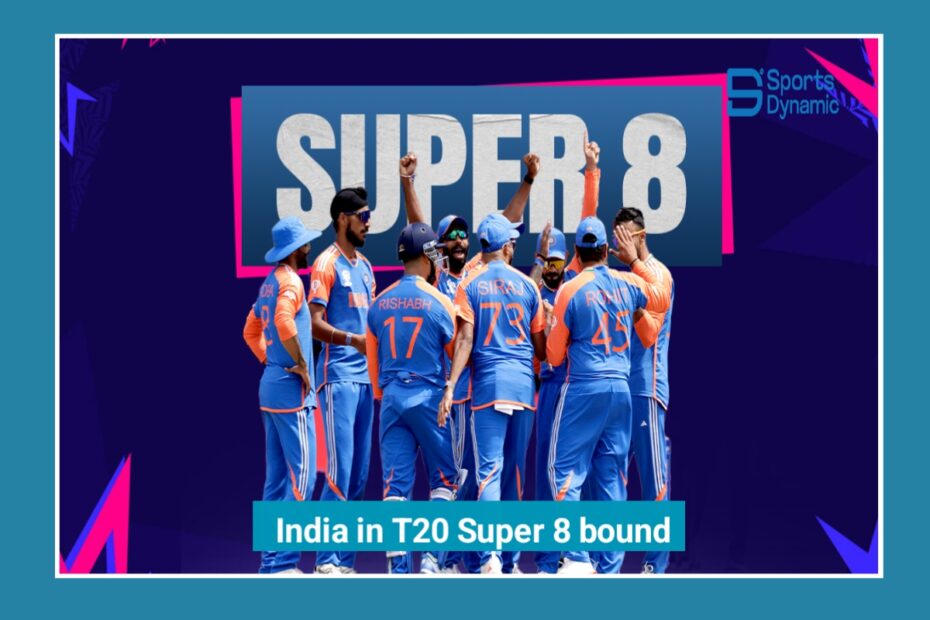
One of the most eagerly awaited matches of the ICC Men’s T20 World Cup 2026 saw India put on a breathtaking performance against their arch‑rivals Pakistan, securing a place in the Super 8 stage in emphatic style. It wasn’t just a win — it was a statement. With a commanding 61-run victory, India not only cemented their spot in the next round but also shook up the Group A standings, leaving fans and analysts around the world talking.
The game, played on 15 February 2026 at the iconic R Premadasa Stadium in Colombo, had all the elements of a classic clash. From the very first ball, India looked sharp, aggressive, and in total control. Their performance was a perfect balance of explosive batting and precise, clinical bowling, a combination that completely dismantled Pakistan’s challenge. Every department contributed — the batsmen piled on runs with confidence, the bowlers struck at crucial moments, and the fielders supported with energy and sharpness.
For India, this wasn’t just about winning a match — it was about reasserting their dominance over Pakistan in T20 World Cup history. Over the years, India’s encounters with Pakistan have always carried extra weight, emotion, and rivalry, and this one was no different. By the end of the day, India had sent a clear message: they are in top form, ready to take on any challenge, and fully deserving of their Super 8 spot.
India’s Road to the Super 8s: A Masterclass
The Indian innings was absolutely electrifying, led by a sensational knock from Ishan Kishan, who scored 77 runs off just 40 balls. Right from the start, Kishan set the tone with aggressive strokeplay, smart shot selection, and a fearless approach that put Pakistan on the back foot.
He hit powerful boundaries, rotated the strike brilliantly, and kept the scoreboard ticking, giving India a strong and competitive total to defend. His innings was the kind of performance that grabs headlines, but he wasn’t the only star for India.
Captain Suryakumar Yadav played a calm but crucial role in the middle order, anchoring partnerships that allowed India to accelerate at the right moments and keep the pressure on Pakistan. Together, the batsmen made sure India posted a solid 175/7 in 20 overs, a total that would prove far too much for their rivals to chase.
When it came to bowling, India’s attack was just as impressive. From the very first over, the bowlers were disciplined, sharp, and full of firepower. Jasprit Bumrah and Hardik Pandya struck early, ripping through Pakistan’s top order and reducing them to a shocking 13/3 in just two overs. From there, Pakistan never really recovered.
Every attempt to rebuild the innings was thwarted, and eventually, they were dismissed for 114 runs in 18 overs, handing India a commanding 61-run victory — which, in terms of runs, is India’s biggest T20 World Cup win over Pakistan ever.
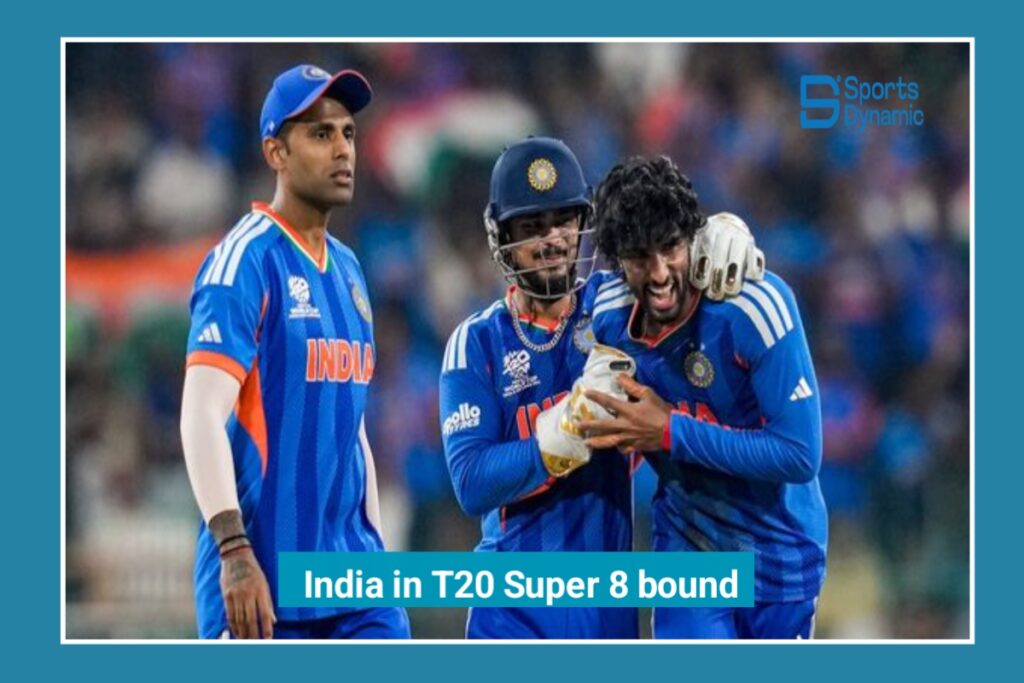
This match marked India’s third straight win in the tournament, further boosting their confidence and sending a message to all competitors. It also extended India’s head-to-head T20 World Cup record against Pakistan to 8 wins out of 9 encounters, cementing their dominance in one of cricket’s most intense rivalries.
The victory was historically significant in more ways than one. Not only did India win by a huge margin, but they also set records and etched their names firmly into World Cup history.
This win underlined their strength, tactical superiority, and ability to perform under pressure. Beyond that, it added to India’s remarkable unbeaten streak in T20 World Cups, showcasing a squad with incredible depth, adaptability, and experience — a team very much in contention for global supremacy in the shortest format of the game.
Pakistan’s Struggles Amid Turmoil
For Pakistan, this loss wasn’t just another match gone wrong — it was a tough wake-up call that exposed deep and persistent issues in their batting lineup, especially when facing disciplined, high-quality bowling under pressure. The top order struggled to build partnerships, and the middle order couldn’t rescue the innings when wickets kept tumbling. Former players, cricket analysts, and fans alike have called this period one of the darkest chapters in Pakistan’s T20 World Cup history, reflecting a mix of frustration, disappointment, and questions about team strategy and preparation.
With only a few group matches left, Pakistan now face an uphill battle to keep their hopes of reaching the Super 8 alive. Every remaining game is crucial, and they will need to win convincingly to have any realistic chance of advancing. Any slip-up at this stage could end their tournament run prematurely, leaving fans and critics disappointed.
Off the field, the match had its usual share of drama and tension, as expected whenever India and Pakistan meet. Even the toss became symbolic: the captains didn’t shake hands beforehand, a small but telling reflection of the intensity and historic rivalry between the two sides. Naturally, this has sparked conversations in the media about sportsmanship, cricketing etiquette, and the emotions that come with one of the fiercest rivalries in world sport.
All in all, this defeat was a reminder for Pakistan that while talent is there, discipline, composure, and the ability to handle pressure will be key if they want to turn their tournament around. Every move from here on matters, and the team will have to regroup quickly if they hope to make any serious impact in the Super 8 stage.
What’s Next for India? The Super 8 Challenge
Having secured their spot in the Super 8 stage, India can now shift their focus to the tougher challenges that lie ahead. The Super 8s are where the competition really heats up — only the best teams from the group stages make it here, which means every match carries enormous pressure and there’s very little room for mistakes. One slip, one bad over, or one misjudged shot could be the difference between winning and being knocked out.
When it comes to opposition, India is likely to face some seriously strong teams who have already proven themselves in the group stage. Names like West Indies, South Africa, and Australia are expected to be on the Super 8 roster, and each of these sides brings a mix of explosive batting, versatile bowling, and clever tactical awareness that can challenge even a top team like India. Take the West Indies, for example — they qualified for the Super 8s with some impressive wins of their own, showing just how high the level of competition will be in this next phase.
For India, this means that tactical preparation, smart player management, and adaptability on the field will be more important than ever. The team will need to read the pitch conditions carefully, plan batting and bowling strategies for each opponent, and make quick adjustments during matches. It’s not just about talent — it’s about how well the team can handle pressure, rotate players wisely, and stay focused in high-stakes situations.
In short, the Super 8 stage is where India’s real test begins. While they enter as favorites and with plenty of momentum, the challenges ahead will demand top-notch cricket, sharp thinking, and flawless execution. One thing is clear: the fans can expect high-octane, nail-biting matches, and India will have to bring their A-game if they want to continue their march toward the T20 World Cup 2026 title.
Key Players to Watch in the Super 8s
As India heads into the Super 8 stage with plenty of momentum, a few key players are likely to play central roles in their campaign. First and foremost is Ishan Kishan. His brilliant match-winning knock against Pakistan proved just how much impact he can have on a game — Kishan has the ability to completely change the course of a match almost single-handedly. For India to stay competitive in the Super 8s, they will need him to combine consistency with his natural aggression, especially at the top of the order when quick runs are vital.
Then there’s Suryakumar Yadav, the captain, whose calm and composed leadership brings a lot of stability to the team. Beyond just tactical decisions, his batting in the middle order provides depth and experience, helping India navigate tricky situations and build partnerships at crucial moments. His presence is especially important when the pressure is high and the team faces strong opposition.
On the bowling side, India will lean heavily on Jasprit Bumrah and Hardik Pandya, two players capable of turning matches with early breakthroughs and precise, disciplined death overs. Bumrah’s ability to strike quickly at the top of the innings and Pandya’s knack for keeping the runs in check during the final overs make them invaluable assets in high-stakes games.
For all of these players, maintaining peak form, fitness, and focus will be critical as India faces a tougher slate of opponents in the Super 8 stage. Every match will demand skill, composure, and strategic thinking, and the team will need these key players firing on all cylinders if they want to continue their march toward the T20 World Cup 2026 title.
Tactics and Strategy: India’s Path Forward
As India steps into the Super 8 stage, the team will need to strike a delicate balance between attacking aggression and tactical caution. Every match from here on carries high stakes, and even a small lapse can change the course of a game. To succeed, India will need to focus on a few key areas.
Strong Powerplays: Getting off to a fast start is crucial in T20 cricket, and aggressive batting during the first six overs can set the tone for the rest of the innings. India showed how effective this can be in their match against Pakistan, where they used the powerplay to put the scoreboard under pressure and build momentum early. Quick, confident batting in these overs can give them a psychological edge over the opposition.
Bowling Discipline: On the other side, taking wickets early and containing runs will be just as important. In the Super 8s, India will face teams with deep batting lineups like West Indies, South Africa, and Australia, all capable of turning matches with just a few big overs. Accurate, disciplined bowling, especially in the early and death overs, will be vital to keep these lineups in check.
Fielding Excellence: High-pressure matches often come down to small margins, and this is where fielding can make a huge difference. India’s athleticism, quick reflexes, and agility on the field can turn matches with crucial run-outs, diving stops, and tight boundary saves. In games like these, every run saved counts, and fielding brilliance can shift momentum instantly.
India’s dominant win over Pakistan and smooth progression into the Super 8s is more than just another victory — it’s a statement of depth, resilience, and championship mentality. With a well-balanced squad, smart strategic leadership, and match-winners in form, India enters this next phase as one of the genuine contenders for the ICC Men’s T20 World Cup 2026 title.
However, the journey ahead won’t be easy. Every team in the Super 8s has the talent and tools to challenge India, and every match could end up being a defining moment. For fans around the world, this stage promises high-octane cricket, nail-biting finishes, and unforgettable moments — moments that could shape the story and legacy of this World Cup. If India can execute their plans, maintain focus, and rise to the occasion, they could continue their march toward lifting the trophy.
Also Read This:
ENG vs ITA Match Preview: Can Italy Stun England in a High-Stakes T20 Showdown?
India Defeats Pakistan by 61 Runs, Qualifies for T20 Super 8 in Dominant Fashion
FOLLOW FOR LATEST UPDATES