
Table of Contents
Mitchell Santner’s Return Comes at the Perfect Time
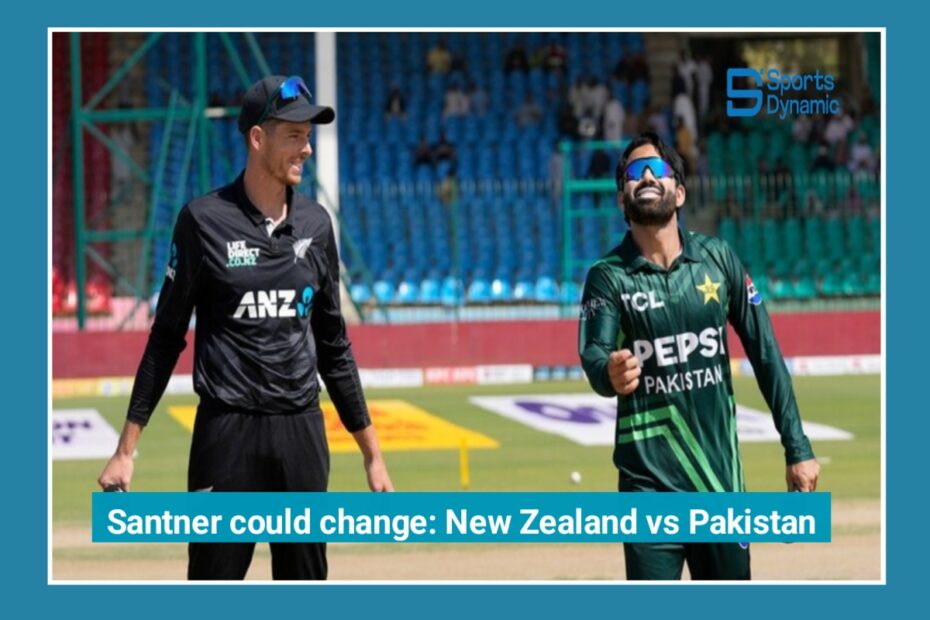
As the Super Eight stage of the ICC Men’s T20 World Cup 2026 starts heating up, New Zealand have received a big and much-needed boost just at the right time. Their star all-rounder Mitchell Santner is now fully fit ahead of the crucial clash against Pakistan. With semifinal qualification on the line and very little room for mistakes in this stage of the tournament, Santner’s return to peak fitness could play a huge role in shaping how New Zealand move forward.
During the group stage, Santner was dealing with a minor niggle. It wasn’t anything too serious, but enough for the team management to be careful with him. They rotated him smartly and kept a close eye on his workload to avoid any bigger injury concerns. Although he did feature in important matches, he wasn’t quite at his best physically, especially with the ball. There were moments when he looked slightly restricted, and New Zealand had to manage his overs carefully.
Now, however, things look much more positive. According to updates from within the camp, Santner is fully fit and ready to take on a bigger responsibility as the tournament moves into its most intense and pressure-filled phase. That’s a massive relief for the Kiwi side.
For New Zealand, this isn’t just about having one more player available. It’s actually a tactical advantage. Santner brings balance to the team. As a left-arm spinner, he controls the middle overs brilliantly, keeps the scoring rate in check, and often breaks crucial partnerships just when the opposition is trying to build momentum. In T20 cricket, those quiet overs in the middle can completely change the flow of the game, and Santner is one of the best at delivering them.
But his importance doesn’t stop there. He’s also more than capable with the bat. If quick runs are needed at the end, he can step up and clear the boundary. If the top order collapses, he can stabilize the innings. That flexibility gives New Zealand more options in team selection and match strategy.
Against a strong and unpredictable side like Pakistan, having a calm and experienced player like Santner becomes even more valuable. Pakistan are known for their explosive batting and their ability to turn games around in just a few overs. To counter that, New Zealand need someone who can stay composed under pressure, think clearly, and execute plans perfectly. Santner fits that role.
In high-stakes matches like this, it’s often the small details that decide the result — one tight over, one key wicket, or one quick cameo with the bat. Santner has proven time and again that he can deliver in those moments. So his return to full fitness couldn’t have come at a better time for New Zealand.
As the Super Eight battle intensifies, all eyes will be on how New Zealand use their star all-rounder. If Santner performs at his best, he could very well be the difference-maker in this crucial encounter.
Why Santner Is Crucial Against Pakistan
Pakistan’s batting lineup has always been a mix of style and surprise. On their day, they can look unstoppable. They have aggressive batters at the top who like to attack from the start, and then they have strong finishers in the middle and lower order who can accelerate quickly in the final few overs. The scary part for any opposition is that Pakistan don’t need much time to change the direction of a match — just two or three big overs can completely flip the game.
And that’s exactly where Mitchell Santner becomes so important for New Zealand.
Control in the Middle Overs:
Pakistan usually try to rebuild or steady things between overs 7 and 15 before going all-out at the death. This phase is crucial because it sets up the final push. Santner is someone who can quietly take control of that period. He bowls tight lines, doesn’t give away easy boundaries, and keeps mixing up his pace so batters can’t settle. Even if the pitch offers just a little bit of turn, he knows how to use it smartly. By slowing the game down and forcing batters to take risks, he can break their rhythm and put pressure back on them.
Match-up Advantage:
Another big factor is the left-arm angle he brings. Pakistan’s batting lineup is mostly filled with right-handers, and that naturally gives Santner an advantage. The angle going across them, combined with small changes in flight and speed, makes it difficult to line him up for big shots. On subcontinental pitches, where the surface can offer a bit of grip, that challenge becomes even tougher. He doesn’t always rely on big turn — it’s his control and subtle variations that make him effective.

Calm Under Pressure:
Big matches are not just about skill — they’re about staying cool when things get tight. Santner has shown many times that he doesn’t panic in crunch moments. Whether New Zealand are defending a total or chasing a tricky target, he stays composed and sticks to the plan. In knockout-style games or must-win Super Eight matches, that calm mindset can make a huge difference.
Leadership Influence in the Squad:
What makes Santner even more valuable is his presence in the dressing room. He may not be the loudest or most expressive player on the field, but he leads in his own quiet way. His experience, consistency, and understanding of the game earn him respect from teammates. Younger players often look up to him because he keeps things simple and doesn’t get carried away by pressure.
New Zealand as a team are known for their unity, smart planning, and disciplined approach. Santner fits perfectly into that culture. He is adaptable, willing to do whatever the team needs, and always tactically aware of the situation. In a short and intense Super Eight stage, where recovery time is limited and every match feels like a final, having experienced players who understand tournament pressure is extremely valuable.
In short, Santner isn’t just another player in the lineup — he’s a stabilizing force. Against a team like Pakistan, where momentum can shift quickly, someone like him could quietly become the difference between winning and losing.
New Zealand’s Group Stage Momentum
New Zealand came into the Super Eight stage after putting in some solid, professional performances in the group phase. They may not have blown teams away every single time, but they did the basics really well. Their bowling attack, especially the seamers, stayed disciplined with their lines and lengths. The pacers kept things tight in the powerplay and at the death, and the spin options supported them nicely in the middle overs. As a unit, they managed to control games and restrict opponents to manageable totals.
That said, there were a few moments during the group matches where the middle overs felt a little flat. The runs were controlled, yes — but the wickets didn’t always come at the right time. Sometimes, the opposition managed to rebuild quietly during that phase. And that’s exactly where a fully fit Mitchell Santner makes a real difference. He doesn’t just contain runs; he has the ability to create pressure that leads to breakthroughs.
If you look at New Zealand in past global tournaments, they’ve rarely depended on one superstar to carry the team. Their strength has always been balance. Everyone contributes a little bit — whether it’s with bat, ball, or in the field. That team-first mindset has taken them deep into many ICC events. But T20 cricket is a different beast. In this format, one smart over that goes for just three runs, or one quick 20-run knock off 10 balls, can completely change the momentum of a match.
That’s why Santner is so valuable. He offers both options. With the ball, he can bowl a tight over that slows everything down and forces batters into mistakes. With the bat, he can walk in and play a small but impactful cameo if needed. He gives the captain flexibility, and in tournament cricket, flexibility is gold.
Tactical Implications for the Super Eight
The Super Eight stage is a different challenge altogether. In the group stage, a team can afford one off day and still recover. But here, every single match feels like a mini-final. There’s very little room for error. Net run rate becomes important, head-to-head results matter, and momentum can decide who moves ahead and who goes home.
Against a team like Pakistan, New Zealand will likely think very carefully about how to use Santner.
If Pakistan go in with a right-hand heavy top order, don’t be surprised if Santner is brought on early. The left-arm angle can immediately create doubts in the batters’ minds. Even if he doesn’t take a wicket straight away, he can slow the scoring rate and build pressure from one end.
Another smart move could be to bring him in right after the powerplay. Once the field spreads out, batters often look to rotate strike and set up for a late charge. That’s where Santner can quietly take control, bowling tight overs and making it difficult to find boundaries.
And then there’s his batting role. If New Zealand need quick runs in the second half of the innings — especially against fast bowlers — they might even send him up the order. He’s capable of clearing the ropes and can handle pressure situations calmly.
What makes him so important is that he gives the team options. He’s not locked into just one role. That kind of dual skill set is a massive advantage in a short, high-pressure tournament like the Super Eight. When matches are decided by small margins, having someone who can influence the game in more than one way can truly tilt the balance.
Pakistan’s Challenge and the Spin Factor
Pakistan have usually been very comfortable against spin, especially when playing on Asian-style pitches where the ball grips and turns. Over the years, many of their batters have grown up playing spin, so they are not easily troubled by it. But in some recent matches, there have been signs that disciplined and economical spinners — the ones who don’t give away easy boundary balls — can slow them down and even force mistakes.
That’s where someone like Mitchell Santner becomes really interesting.
He’s not the kind of spinner who depends on massive turn or magical deliveries every over. Instead, his strength lies in the small things. He keeps changing his pace just enough to upset timing. He adjusts his trajectory — sometimes a bit flatter, sometimes giving it a little more air. He also uses angles smartly, especially from around the wicket to right-handers. These subtle changes might not look dramatic on TV, but for a batter trying to attack, they can be very frustrating.
Aggressive players love bowlers who give them pace on the ball or predictable lengths. Santner doesn’t do that. He makes batters work for every run. If they try to force the pace too early, that’s when mistakes can happen — mistimed lofted shots, top edges, or risky singles. And if the pitch offers even a little bit of help — just some grip or slight turn — he becomes even more dangerous. In those conditions, he could easily turn into New Zealand’s trump card.
Psychological Edge Before a Big Clash
In big tournaments, it’s not just about who has better skills — it’s also about who feels more confident and mentally settled. Hearing that Santner is fully fit is a big boost for the New Zealand dressing room. It gives the captain more options and gives the bowlers more balance. That kind of reassurance matters a lot before a high-pressure match.
On the other side, for Pakistan, it creates an extra challenge. Their analysts and team management now have to plan for his full set of overs. They can’t assume he’ll bowl fewer overs or be limited in any way. They also have to think about where he might bat and how he might be used tactically during key moments.
And then there’s his fielding — something people don’t always talk about enough. Santner is one of the safest fielders in international cricket. Whether he’s in the inner ring or patrolling the boundary, he saves crucial runs. In tight matches, even five or six saved runs can change the final result. He’s also sharp with direct hits and quick reactions, which means run-out chances are always a threat when he’s involved.
So it’s not just about his bowling. It’s the full package — bowling control, handy batting, calm presence, and reliable fielding. All of that together adds pressure on the opposition and gives New Zealand a quiet but important mental edge going into a big clash.
A Defining Match Awaits
The Super Eight opener between New Zealand and Pakistan isn’t just another match on the schedule. It feels much bigger than that. This game could easily set the tone for the rest of the stage for both teams. A strong win here doesn’t just give you two points — it gives you belief, momentum, and a psychological edge going into the next few high-pressure games.
For New Zealand, having Mitchell Santner fully fit at this stage is a massive plus. It gives the team better balance overall. They won’t have to depend too heavily on their fast bowlers in the middle overs. They’ll have a reliable spin option who can control the flow of runs and chip in with key wickets. On top of that, his presence adds more depth to the batting lineup. Even if he scores a quick 15 or 20 runs at a crucial moment, that can be the difference between a par total and a winning one.
Fielding is another area where he makes an impact. T20 cricket is all about small moments. The format is so fast that one dropped catch, one bad over that goes for 18 runs, or one missed run-out chance can completely change the outcome of a game. The margins are extremely thin. Santner’s sharp fielding and calm decision-making help reduce those risky moments. He brings a sense of control and reliability, which is priceless in tight contests.
New Zealand have built a reputation over the years for performing strongly in global tournaments. They may not always be labeled as favorites, but they consistently compete hard and often go deep into competitions. Their success has usually come from smart planning, clear roles, and strong team unity rather than depending on individual superstars.
However, in a tournament like the 2026 edition, talent alone won’t be enough. Timing matters. Your key players need to peak at the right moment. And Santner’s return to full fitness couldn’t have come at a better time. The pressure is rising, the matches are getting tougher, and every performance now carries extra weight.
If he steps up against Pakistan — whether it’s by delivering a tight spell in the middle overs, taking an important wicket, scoring handy runs down the order, or pulling off a crucial save in the field — it could do more than just win one match. It could send a strong message to the rest of the tournament: that New Zealand are serious contenders for the title.
As excitement builds around this clash, all eyes will be on Colombo. Fans will be watching closely to see how the contest unfolds — and especially how Santner performs. Because if this fitness boost turns into a match-winning display on the field, it might just be remembered as the turning point in New Zealand’s campaign.
Also Read This:
Match Officials Announced for Super 8 – ICC MEN’S T20 WORLD CUP 2026
T20 World Cup 2026: Australia Sign Off in Style with Commanding 9-Wicket Victory Over Oman
FOLLOW FOR LATEST UPDATES