
Table of Contents
Pakistan vs Sri Lanka: A Match of High Stakes and Higher Drama
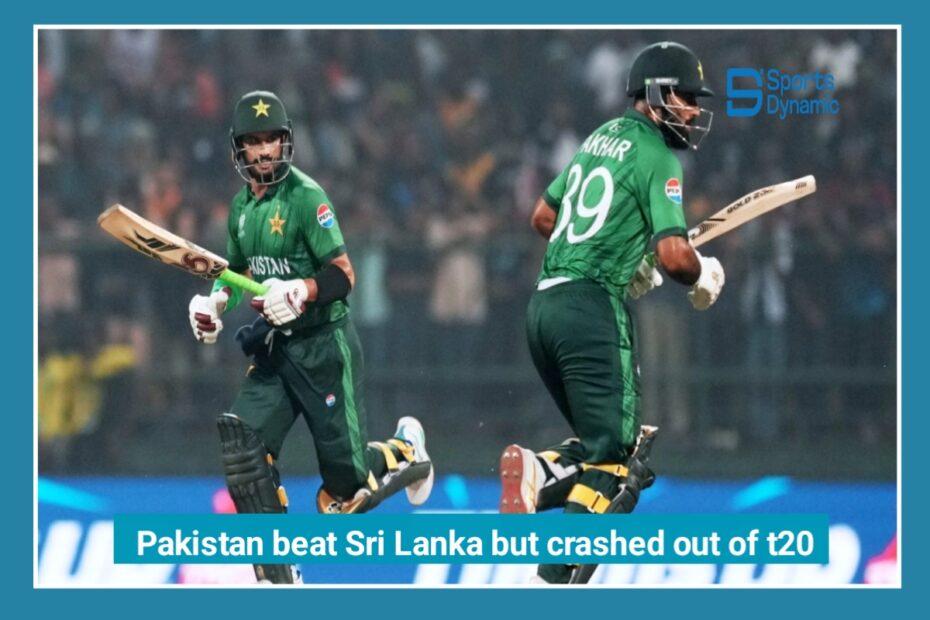
It turned out to be one of the most thrilling games of the ICC Men’s T20 World Cup. Pakistan managed to beat Sri Lanka by just five runs in a high-scoring nail-biter at Pallekele. It was the kind of match that keeps fans on the edge of their seats until the very last ball.
But even though Pakistan won the match, the bigger picture brought heartbreak — their journey in the tournament officially came to an end because of net run rate and earlier results that didn’t go their way.
So yes, they won the battle… but lost the war.
Before the match started, Pakistan already knew the situation was tricky. Winning the game was absolutely necessary. But that alone wasn’t enough. They needed to win by a big margin to improve their net run rate and jump ahead of other teams in the group standings.
It was a tough equation. On the other hand, Sri Lanka were in a slightly better position. Even if they lost, as long as the defeat wasn’t too heavy, they could still qualify. That added even more tension to the contest.
What followed was pure T20 drama.
Pakistan came out with aggressive intent. From the very beginning, their batters made it clear that they were not just playing to win — they were playing to dominate. The approach was fearless, attacking, and full of confidence.
Farhan’s Century Changed the Game
The real hero with the bat was Sahibzada Farhan. He played a brilliant innings under pressure and scored a stunning century. It wasn’t just about hitting boundaries — it was about smart cricket. He stayed calm, chose the right balls to attack, and kept the scoreboard moving. Whenever Sri Lanka tried to slow things down, Farhan found a way to break the pressure.
At the other end, Fakhar Zaman played his natural attacking game. He went after the bowlers during the powerplay and didn’t let them settle. His aggressive shots in the early overs gave Pakistan the perfect start they needed. The partnership between Farhan and Fakhar completely shifted the momentum in Pakistan’s favor. Sri Lankan bowlers looked under pressure, and the fielders were constantly chasing the ball.
Together, they built a strong foundation that pushed Pakistan beyond the 200-run mark — a massive total in a high-pressure World Cup game. It was easily one of Pakistan’s best batting performances in this tournament. The intent was loud and clear: they wanted a big score to boost their net run rate and keep their semifinal hopes alive.
However, T20 cricket is never that simple.
Sri Lanka did not panic during the chase. Instead of playing reckless shots, they paced their innings smartly. Their batters attacked when needed and rotated strike in between. Even when the required run rate climbed higher, they kept fighting. The match went deep into the final over, and at one point, it felt like Sri Lanka might actually pull off an unbelievable chase.

In the end, Pakistan held their nerves just enough to defend the total and secure a five-run victory. There were celebrations on the field — but they were short-lived. As other match results and net run rate numbers became clear, the reality hit hard.
Despite scoring big and winning an intense match, Pakistan were officially knocked out of the tournament.
It was a night full of fireworks, brilliant batting, pressure moments, and emotional scenes. Fans experienced excitement, hope, and then heartbreak — all within a few hours.
That’s the beauty and cruelty of T20 World Cup cricket. Sometimes even your best effort isn’t enough.
Sri Lanka’s Fearless Chase
Chasing more than 210 runs in a World Cup match is never a small task, especially when the pressure is sky high and every run matters. Most teams would feel the heat in that situation. But Sri Lanka didn’t look scared at all. From the very first few overs, they showed positive intent and came out attacking.
Their openers didn’t just try to survive the powerplay — they actually took the fight to Pakistan. Whenever Pakistan hit a boundary, Sri Lanka answered back with one of their own. It almost felt like a back-and-forth battle. The powerplay overs were full of energy, big shots, and loud cheers from the crowd.
Once the field spread out, Sri Lanka didn’t go crazy or throw their wickets away. Instead of reckless hitting, they played smart cricket. They picked the right bowlers to target and rotated strike nicely in between boundaries. That balance between aggression and control kept them in the game. Every four or six brought the fans a little more hope. You could actually feel the belief growing in the stadium.
As the match moved into the final few overs, the required run rate was climbing to around 11 or 12 runs per over. That’s tough in any situation, but Sri Lanka never let it get out of hand. They stayed calm, kept finding gaps, and then suddenly produced a couple of big overs that changed the mood completely. One explosive over can flip a T20 match — and Sri Lanka did exactly that, bringing the target within touching distance.
When it came down to the final over with 15 runs needed, the entire stadium in Kandy was holding its breath. Fans were on their feet. Every ball felt like it could decide the match. The tension was unreal — players looked focused, the crowd was roaring, and the pressure was written all over everyone’s faces.
It was one of those moments that remind you why T20 cricket is so exciting — fast, unpredictable, and full of drama till the very last ball.
Abrar Ahmed’s Composed Finish
Abrar Ahmed really stepped up when Pakistan needed him the most. The young spinner looked confident and fearless, and his spell in the middle overs made a huge difference. Just when Sri Lanka were building momentum and the match seemed to be slipping away, Abrar broke important partnerships.
Those wickets didn’t just remove set batters — they also slowed down the scoring rate. You could see the pressure slowly shifting back onto Sri Lanka because of the control he created.
Even though Sri Lanka kept fighting, Abrar’s breakthroughs made sure the chase never became completely comfortable for them.
When the game moved into the final overs, the tension was unreal. Defending a big total is one thing, but defending it when the opposition still believes they can win is a totally different challenge. Pakistan’s bowlers had to keep their cool. Yes, a few boundaries were hit, and the crowd erupted every time the ball crossed the rope. But what really mattered were the dot balls in between. Those quiet deliveries created pressure. Tight yorkers at the right moments made scoring difficult.
In the end, those small moments made the difference. When the final ball was bowled and Sri Lanka finished five runs short, Pakistan had technically won the match. The players exchanged handshakes, and there were smiles — but they didn’t last long. The celebrations felt incomplete.
And that’s where the real heartbreak began.
Even though Pakistan got the two points for winning, their qualification depended on net run rate. Earlier in the tournament, they had lost a couple of close games where they couldn’t finish strongly. At that time, those defeats didn’t seem massive — but now they came back to hurt them badly.
Scoring 212 and successfully defending it sounds impressive, and it was. But winning by just five runs wasn’t enough to significantly improve their net run rate. They needed a much bigger margin. On top of that, results from other matches in the group didn’t go in their favor.
When the final calculations were confirmed, the reality hit hard: Sri Lanka and another team moved ahead to the next round, while Pakistan were knocked out — even after ending their campaign with a win.
It was a tough pill to swallow. That night showed how cruel tournament cricket can be. In T20 World Cups, every run matters. Every over matters. Even a small mistake in an earlier match can cost you later. Pakistan fought hard, won the match, but still had to pack their bags.
Sometimes in cricket, doing well isn’t enough — you have to do just a little bit more.
Where It Went Wrong for Pakistan
Pakistan’s journey in the 2026 T20 World Cup will probably be remembered as a campaign full of “what if” moments. It wasn’t that they didn’t have the talent or the chances — in fact, they had plenty of opportunities to control their own destiny. But somehow, at key moments, things just didn’t go their way.
Close Finishes That Slipped Away
One big reason for their early exit was the close matches they couldn’t finish. There were games where Pakistan looked in complete control. They had the upper hand, the momentum was with them, and victory seemed almost certain. But T20 cricket changes quickly. One bad over, one dropped catch, or one poor decision can flip the game in minutes.
Unfortunately for Pakistan, those small mistakes came at the worst possible times. A couple of narrow defeats earlier in the tournament ended up costing them heavily. At that moment, those losses felt disappointing — but not disastrous. Later, when net run rate came into play, those same losses became the difference between qualifying and going home.
Inconsistent Middle Overs
Another issue was inconsistency, especially in the middle overs. There were phases where Pakistan looked brilliant — hitting boundaries easily, taking wickets at crucial times, and dominating the game. But those moments didn’t always last long.
Sometimes the batting slowed down too much in the middle overs, which affected the final total. In other matches, the bowlers couldn’t control the scoring during that phase. In T20 cricket, the middle overs are extremely important. They set up the final push. When that balance is missing, it becomes hard to control the overall net run rate.
Those small inconsistencies added up over the course of the tournament.
Slow Starts in Key Matches
Interestingly, in their final group game, Pakistan came out aggressively from the start. But in earlier matches, that wasn’t always the case. They often began cautiously, trying to settle in rather than putting immediate pressure on the opposition.
In modern T20 cricket, especially in World Cups, teams that attack early usually gain the advantage. Slow starts meant Pakistan sometimes had to play catch-up later. That added pressure, forced risky shots, and occasionally led to collapses. In such a fast-paced format, falling behind even slightly can change the entire game.
Sri Lanka Move Forward with Confidence
On the other side, Sri Lanka may have lost this particular match, but they walk away with a lot of positives. Chasing more than 200 in a pressure World Cup game and taking it almost to the finish line shows serious character. It proves they have depth in their batting lineup and the mental strength to handle big situations.
Even in defeat, Sri Lanka showed they belong at the highest level. They didn’t panic, didn’t crumble under pressure, and kept fighting until the very end. That kind of resilience is extremely valuable going into knockout matches.
Of course, there are still areas to improve. Their death bowling could be tighter, and finishing games more clinically will be important in the semifinals. But these are small adjustments, not major concerns.
Overall, while Pakistan leave the tournament with regret and lessons to learn, Sri Lanka move ahead with belief, confidence, and momentum. And in knockout cricket, sometimes confidence is the biggest weapon of all.
Emotional Scenes at the End
When the final group standings were officially confirmed, the atmosphere in the Pakistan dressing room changed completely. Just a few minutes earlier, there had been smiles and handshakes after winning a tough match. But as soon as the updated points table appeared on the screen, that small sense of relief disappeared.
The players slowly realized that even though they had done their job on the field that night, it wasn’t enough. Some of them stood quietly, looking at the screen again and again, almost hoping something would change. But the numbers don’t lie. Their World Cup journey was over.
For the senior players in the squad, it hurt even more. They had come into this tournament with big hopes and strong expectations. There were moments during the campaign when it looked like Pakistan could go deep into the competition.
But once again, it ended earlier than they would have liked. For experienced players who know that World Cup chances don’t come every year, exits like this feel especially painful.
Back home, fans had mixed reactions. Many supporters appreciated the fighting spirit shown in the final match. Scoring big and defending under pressure showed character. But at the same time, there was frustration.
People couldn’t ignore the earlier games where Pakistan had let winning positions slip away. Fans know how small mistakes in big tournaments can have huge consequences, and this was a clear example of that.
A Tournament Full of Twist
The 2026 T20 World Cup has already given fans everything — last-ball thrillers, stunning centuries under pressure, surprise results, and qualification scenarios decided by tiny net run rate differences. It’s been unpredictable from start to finish.
Pakistan’s elimination despite winning their final match is one of the biggest talking points of the tournament. It perfectly shows how cruel and competitive T20 cricket can be. In this format, every single run matters. Every over can change the standings. Even one slow phase in a match weeks earlier can come back to haunt a team.
This World Cup has reminded everyone that in T20 cricket, there is no room for small mistakes. One dropped catch, one bad over, or one missed opportunity can decide the fate of an entire campaign.
For Pakistan, the lesson is clear. For the fans, the drama continues. And for the tournament itself, the twists are far from over.
What’s Next for Pakistan?
Now that Pakistan’s World Cup journey is officially over, the focus will slowly shift from disappointment to planning for the future. Every big tournament teaches lessons, and this one is no different. The team management and players will sit down, review what went right and what went wrong, and start preparing for the next challenge.
One major area they’ll look at is making the middle order more stable. There were times in this tournament when the top order did its job, but the middle overs didn’t always flow smoothly. Having dependable batters who can handle pressure and keep the scoreboard moving consistently will be important going forward.
Another key point is improving death-over bowling. In T20 cricket, the final overs often decide the match. Bowling accurate yorkers, mixing variations smartly, and staying calm under pressure can make all the difference. Pakistan showed glimpses of strong finishing with the ball, but they’ll know there’s still room to sharpen that skill.
Tactical flexibility is also something they’ll want to work on. In high-pressure matches, situations change very quickly. Teams that adapt faster usually come out on top. Whether it’s adjusting batting order, changing bowling plans, or reading the pitch better, being flexible can turn close games into wins.
The positive part is that the talent is definitely there. Pakistan has skilled batters, exciting bowlers, and match-winners in the squad. The real challenge isn’t ability — it’s about performing consistently and executing plans properly when it matters the most.
Pakistan’s five-run victory over Sri Lanka was a proper T20 thriller. The match had everything — big sixes, a brilliant century, clever spin bowling, last-over drama, and emotional reactions. It reminded everyone why this format is so popular around the world.
But cricket can be harsh sometimes.
Even after delivering one of their strongest performances in the tournament, Pakistan couldn’t move ahead. Their campaign in the ICC Men’s T20 World Cup 2026 ends here, which makes the win feel bittersweet. On the other side, Sri Lanka go into the knockout stage with confidence. They fought hard, proved their strength, and will believe they can beat anyone on their day.
For Pakistan, the message is clear and simple. In World Cup cricket, small moments matter. A few extra runs, one better over, or one sharper decision earlier in the tournament might have changed everything. In the end, the points table doesn’t look at emotions — it only shows numbers.
And in T20 cricket, every single run truly counts.
Also Read This:
Record-breaking Farhan’s Ton Seals Massive 212 Total for Pakistan vs Sri Lanka – T20WC 2026 Thriller
England Beat New Zealand by 4 Wickets: Rehan Ahmed and Will Jacks Star in Colombo Clash
FOLLOW FOR LATEST UPDATES