
Table of Contents
Pakistan vs England: Pakistan Post 164/9: A Fighting Total on a Balanced Surface
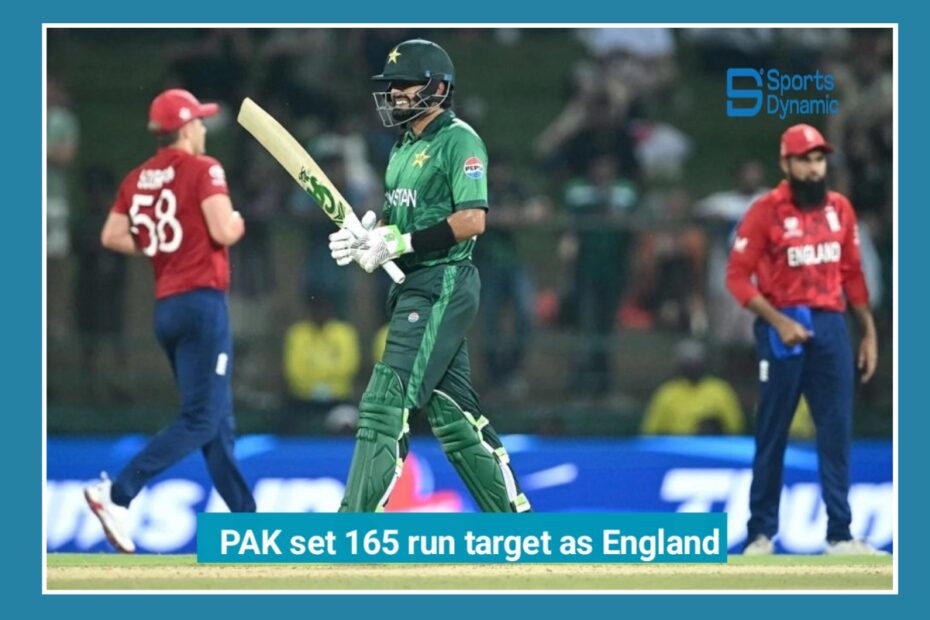
The much-awaited T20 World Cup clash between Pakistan and England has moved into an exciting phase as England have started their chase of a 165-run target.
With both qualification hopes and national pride on the line, this match at the Pallekele International Cricket Stadium in Kandy already feels like a knockout game. Two top teams, big pressure, and a competitive total on the board it has all the ingredients of a proper thriller.
Pakistan, after being tested by some tight and disciplined bowling from England, finished their innings at 164/9 in 20 overs. It’s not a huge total by modern T20 standards, but on this kind of surface, it could be more than enough.
The pitch in Kandy hasn’t looked completely flat. It seems a bit on the slower side, helping bowlers who mix up their pace. Spinners and bowlers using cutters have managed to get some grip, which has made clean hitting slightly difficult at times.
Pakistan’s innings had a few solid phases, especially in the middle overs where some batters tried to rebuild after early setbacks. However, England’s bowlers kept striking at regular intervals.
Just when it looked like one batter might settle in and play a big knock, a wicket would fall. That steady pressure meant Pakistan never really got the chance to explode in the final overs the way teams often do in T20 cricket.
In the last few overs, England were particularly smart. They bowled yorkers, mixed in slower deliveries, and kept changing angles to stop Pakistan from accelerating.
Because of that disciplined approach, Pakistan couldn’t push their total into the 175–180 range, which might have made the chase much tougher. That tight death bowling could turn out to be a key factor if the pitch continues to assist bowlers.
Pakistan vs England: England’s Chase Under Early Pressure
Now chasing 165, England know this is not going to be a walk in the park. In a World Cup game, even a moderate target can feel big, especially against a bowling attack like Pakistan’s, which is known for its pace, swing, and ability to handle high-pressure matches.
England didn’t get the smoothest of starts. Pakistan’s bowlers came out with intensity, picking up early wickets and putting immediate pressure on the top order. Those early breakthroughs have added a bit of tension to the chase, particularly during the powerplay when teams usually look to score freely.
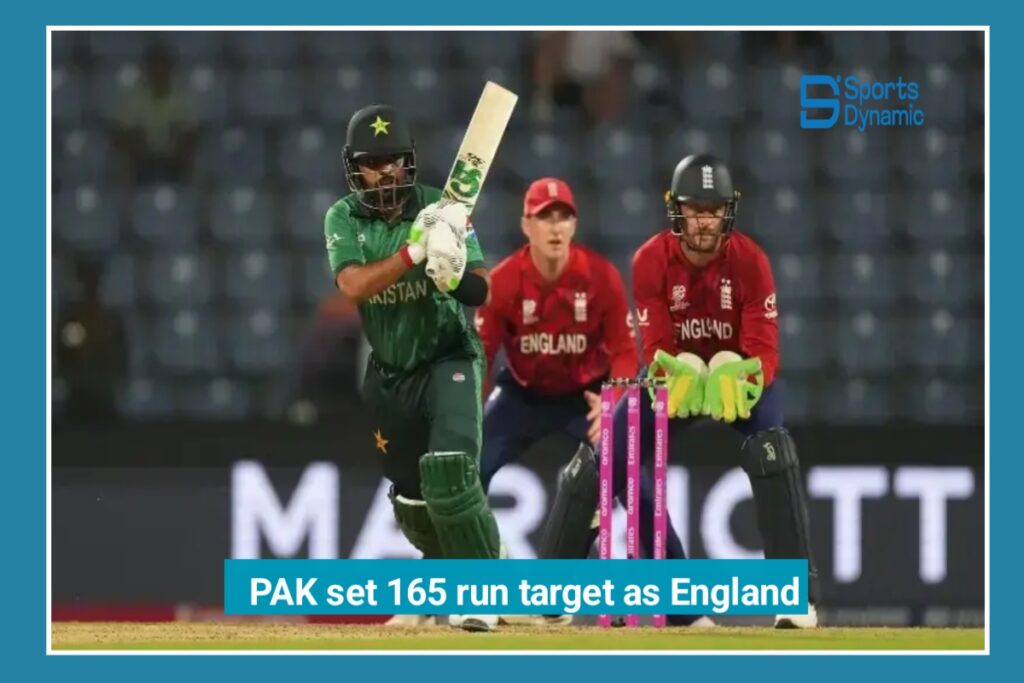
With a couple of early setbacks, the focus now shifts to England’s middle-order batters. They need to calm things down, build a partnership, and take the game deeper. The required run rate is still within reach, so there’s no need to panic. But in big tournaments, the mental pressure can sometimes make things tricky. Pakistan’s aggressive field settings and energetic body language are only adding to that pressure.
For England, the key will be avoiding a collapse. Losing wickets in quick succession could completely change the game. Instead, they’ll want one solid partnership — even a steady 40 or 50-run stand — to bring stability back into the chase. In matches like this, momentum can swing very quickly, and one good partnership can suddenly shift the pressure back onto the bowling side.
At this stage, the game is nicely balanced. Pakistan have the early edge with the ball, but England still have enough batting depth to turn things around. With plenty of overs left and emotions running high, this contest is far from over.
Tactical Battle: Pace vs Aggression
One of the most interesting parts of this match is the battle of strategies between Pakistan’s bowlers and England’s naturally aggressive batting style. England have built a reputation over the years for playing fearless white-ball cricket.
They usually back themselves to attack from the start and put bowlers under pressure. But in big matches like this, especially in a World Cup setting, smart cricket becomes more important than just going for big shots every over.
Pakistan’s bowling unit understands this very well. They are likely to stick to disciplined lines and lengths, hitting the pitch hard and mixing in slower balls to keep the batters guessing. Since the surface seems to be a little slow and slightly gripping, variations could become even more effective. Bowlers who take the pace off the ball and use cutters might get extra help from the pitch.
Spinners, too, could have a major role in the middle overs. If the ball continues to hold up on the surface, England’s batters may find it difficult to simply swing through the line. Instead, they’ll have to work the ball around, use the crease cleverly, and find gaps rather than rely only on power-hitting. That’s where the real test begins.
For England, choosing the right shots at the right time will be absolutely crucial. They don’t need to hit a boundary every over if they can keep rotating the strike and avoid too many dot balls. Sometimes, steady singles and twos can build just as much pressure on the bowlers as big sixes. If they manage to keep the scoreboard moving without taking unnecessary risks, the momentum can slowly shift in their favor.
In matches like this, it’s not always about who hits the biggest shots — it’s about who thinks clearer under pressure. If England stay patient and play smart cricket, they can put Pakistan’s bowlers under pressure. But if Pakistan keep executing their plans consistently, this tactical battle could tilt their way.
What This Match Means for Both Teams
This match is definitely more than just a regular group-stage game. Whenever Pakistan and England face each other in a global tournament, there’s always extra excitement and pressure attached to it.
These two teams have shared some memorable battles in the past, and every time they meet on a big stage, it feels intense. Apart from the rivalry, the result of this game could have a major impact on how the rest of the tournament shapes up.
A win here would not only improve a team’s chances of reaching the semifinals but also give them a huge confidence boost going into the later stages. Momentum is very important in tournaments like the T20 World Cup, and one strong performance can completely change the mood in the dressing room.
For Pakistan, defending a total of 164 would be a big statement. It would show that their bowling attack can handle pressure and protect even a slightly modest score. If they manage to pull this off, it would once again prove that they are a disciplined side that knows how to stick to plans and execute strategies under tough conditions.
Successfully defending this total would strengthen their image as a team that doesn’t panic and can rely on its bowlers when it matters most. On the other hand, if England manage to chase down 165, it would highlight the strength and depth of their batting lineup.
Especially after losing early wickets, a successful chase would show that they have the character and flexibility to bounce back in difficult situations. It would send a clear message that England can stay calm, rebuild, and finish games even when things don’t start perfectly.
In short, this match could be a turning point for either side. Beyond just the two points on the table, it’s about confidence, belief, and proving a point on the biggest stage.
Pakistan vs England: The Turning Point Could Come Anytime
T20 cricket is famous for how quickly things can change. In this format, the momentum can shift in just a matter of a few deliveries. One big over where a team scores 15 or 20 runs can suddenly turn the pressure around and completely change the mood of the match. At the same time, a single important wicket — especially of a well-set batter — can instantly bring the bowling side back into control.
If England’s main batters are able to settle in and take the game closer to the final five overs with a reasonable number of runs still needed, then the match could easily go down to the last over. In tight chases like this, having wickets in hand at the end makes a huge difference. With a few hitters still available, even 40–45 runs in the last five overs can feel achievable.
But the flip side is just as important. If Pakistan keep striking at regular intervals and don’t allow any solid partnership to build, England could start feeling the pressure more and more. Chasing under scoreboard pressure, especially in a World Cup match, can lead to rushed shots and mistakes. That’s when things can spiral quickly.
Fielding, too, could end up being the deciding factor. In close games like this, small moments matter a lot. A dropped catch might give a batter a second chance to change the match. A simple misfield could turn a single into a boundary. On the other hand, a sharp direct-hit run-out or a brilliant catch near the boundary could completely shift the momentum.
In T20 cricket, it’s often not just about batting and bowling — it’s about those tiny moments that come and go in seconds. And in a tight contest like this one, any small mistake or moment of brilliance could end up defining the result.
Conditions and Match Context
Right now in Kandy, the conditions look pretty balanced. It’s not a flat batting track where runs just flow easily, but it’s also not a nightmare for batters. The pitch seems to have something in it for the bowlers, especially those who are smart with their variations. Bowlers who mix up their pace, use slower balls properly, and hit hard lengths are getting some help from the surface.
At the same time, once a batter spends a bit of time in the middle and gets used to the pace of the pitch, playing shots becomes much easier. It’s one of those wickets where the first 10–15 balls are very important. Survive that phase, and then you can start opening up your game.
Another thing that could play a big role is dew later in the evening. If dew sets in, gripping the ball might become slightly difficult for the bowlers. That can make it harder to control slower deliveries and spin. And when bowlers struggle to grip the ball properly, chasing teams usually get a small advantage — but only if they still have wickets left. Having wickets in hand at the back end is always crucial in T20 cricket.
At the moment, England are chasing 165, and the match is nicely balanced. Pakistan have done a good job early on by building pressure and not letting things get out of control. The next few overs are going to be very important because they could decide which way this match goes. One solid partnership for England could shift the momentum, but a couple of quick wickets for Pakistan could put them firmly in command.
This Pakistan vs England game honestly has everything you want in a big T20 World Cup clash — a competitive total on the board, early wickets to create tension, smart tactical battles between bat and ball, and huge stakes for both sides. And with plenty of overs still left, there’s a lot of cricket to be played.
In T20 cricket, especially on a World Cup stage, things can change so quickly. One over, one big shot, or one brilliant piece of fielding can flip the entire script. So this contest is far from finished. The drama is still building, and anything can happen from here.
Also Read This:
Rinku Singh Leaves T20 World Cup Camp Due to Father’s Critical Illness – Big Blow for India
High-Pressure Showdown: Pakistan Choose to Bat vs England in Must-Win T20 WC 2026 Match
FOLLOW FOR LATEST UPDATES