
Table of Contents
England vs Sri Lanka Weather Forecast: Dark Clouds Over Pallekele
As the ICC Men’s T20 World Cup 2026 moves into the Super 8 stage in Sri Lanka, fans are once again keeping one eye on the skies instead of just the scoreboard. After rain completely washed out the opening Super 8 clash between Pakistan and New Zealand in Colombo, there’s growing concern that Sunday’s big game between England and Sri Lanka in Pallekele could face similar trouble.
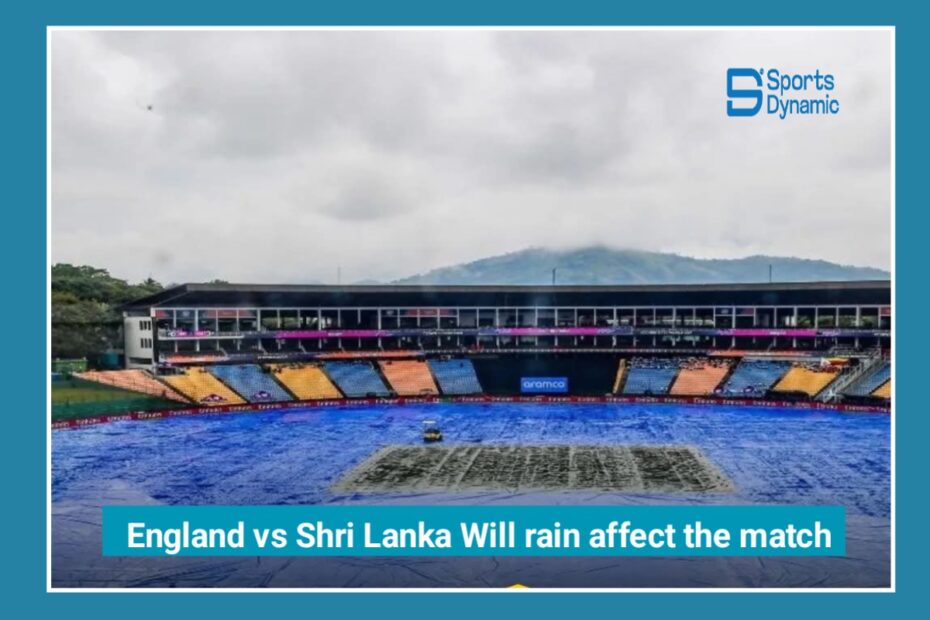
This is supposed to be one of the most exciting matches of the Super 8 stage, but the weather forecast is not looking very promising. The game is set to take place at the Pallekele International Cricket Stadium in Kandy, with a scheduled start time of 3:00 PM IST. However, weather updates suggest that rain could play spoilsport throughout the day.
According to the latest predictions, there’s a strong chance of showers during match hours. In fact, rain probabilities are quite high around the time the toss is supposed to happen. Heavy cloud cover is expected to settle over the stadium well before the afternoon start. The skies are likely to remain overcast, and humidity levels could cross 80 percent, which usually means sticky conditions and a greater chance of rain interruptions.
If the rain arrives early, even the toss could be delayed. And if play does begin, there’s a real possibility that it might be stopped and restarted multiple times. In that case, officials may have to use the Duckworth-Lewis-Stern (DLS) method to adjust targets, depending on how many overs are lost. Fans have already seen one complete washout in the Super 8 stage, and no one wants to see another high-profile clash decided by the weather rather than by performance on the field.
The situation is especially frustrating because this match carries a lot of importance. In the Super 8 stage, each team only plays a few matches, so every single point matters. A washout would mean both teams share points, which could seriously impact the qualification race for the semi-finals. For England and Sri Lanka, this game could shape the direction of their entire campaign.
Sri Lanka, playing at home, would have been hoping to take advantage of familiar conditions and strong local support. On the other hand, England would be eager to make a strong statement in the Super 8s after navigating the group stage. But instead of talking about team combinations, pitch conditions, or key player battles, the main talking point has become the weather.
The pitch at Pallekele is generally known to assist batters, especially in the first innings, but rain can change everything. If the outfield gets wet, scoring freely becomes harder. Bowlers, particularly spinners, may struggle to grip the ball in damp conditions. Fielding can also suffer, increasing the chances of dropped catches or misfields.
Weather models indicate that showers could come in spells rather than as a single burst of heavy rain. That means the match might start, stop, and start again — something that often disrupts momentum and rhythm. For players, constant breaks can be mentally exhausting. For fans watching in the stadium or on TV, it can be equally frustrating.
At this point, everything depends on how the weather actually unfolds on Sunday. Sri Lanka’s weather can sometimes change quickly, so there is still hope that the rain might ease up long enough to allow a shortened but competitive match. Ground staff at international venues are usually well-prepared, with covers ready and efficient drainage systems in place. Even so, continuous rain over several hours would make it very difficult to get a full 20-over contest.
In summary, while excitement around the England vs Sri Lanka clash remains high, the weather forecast has added a big question mark. After one Super 8 match already being washed out, another rain-affected game would be a major setback for the tournament’s momentum. Fans will be hoping that the clouds clear, the rain stays away, and cricket — not the weather — becomes the main story of the day.
After the First Washout: Group 2 in Turmoil
Rain has already started changing the whole situation in Group 2. The first Super 8 match between Pakistan and New Zealand in Colombo didn’t even begin — not a single ball was bowled because of heavy rain. As a result, both teams were given one point each. While that might sound fair, it has actually made the group much tighter and more complicated.
Because that game ended with shared points, the pressure has automatically increased on the next matches, especially England’s big clash with Sri Lanka. Now, this game is not just about two teams competing — it’s about how the entire group table could shape up. If England vs Sri Lanka also gets washed out, then they too will share one point each. That would mean all four teams — England, Sri Lanka, Pakistan, and New Zealand — would be sitting very close to each other in the standings.
When teams are bunched together like that, every small detail starts to matter. The race to the semi-finals becomes tense and unpredictable. Instead of one or two teams pulling ahead clearly, you could see all four sides fighting until the very last match. In short, the competition becomes even more intense, but also more stressful for players and fans.
So what actually happens if a match is washed out?
In the Super 8 stage, there is no reserve day. Unlike the semi-finals or the final, where organizers can shift the match to the next day if rain spoils play, Super 8 games don’t get that extra backup option. If the weather doesn’t allow a minimum number of overs to be completed, the match is officially declared a “No Result.” When that happens, both teams get one point each.

Now, sometimes a shortened match is still possible. If enough overs are played, officials can adjust the target using the Duckworth-Lewis-Stern (DLS) method. But if rain keeps stopping play and the minimum overs requirement isn’t met, then there’s no option but to call it off completely.
For teams that are already under pressure, shared points can create serious complications. On one hand, at least you don’t lose. On the other hand, you also miss the chance to earn two valuable points. In a short stage like the Super 8, where each team plays only a few matches, dropping even one win opportunity can make a huge difference.
If multiple matches are affected by rain, teams may end up depending on net run-rate to qualify. That means not only winning becomes important, but winning by big margins becomes crucial. Captains and coaches then have to think differently. Instead of just aiming for victory, they may start planning for aggressive wins to improve their net run-rate. This can change team strategies completely.
For example, teams might take more risks while batting, try to score faster, or use attacking bowling plans to restrict opponents to low totals. But that also increases the chance of mistakes. So rain doesn’t just disturb the schedule — it also influences how teams approach the game mentally and tactically.
In simple terms, one washed-out game can shake up the entire group. Two washed-out games can turn the table into a mathematical puzzle. And in tournaments like the T20 World Cup, where momentum and confidence matter so much, unpredictable weather only adds more drama.
Right now, Group 2 feels wide open. With points potentially being shared again, the semi-final race could go down to the final round of matches. Fans may get thrilling finishes and nail-biting scenarios — but at the same time, everyone will be hoping that cricket is decided by performances on the field, not by rain clouds above it.
England’s Stand: Ready to Adapt
England captain Harry Brook has openly admitted that the weather is definitely a concern, but he also made it clear that his team is ready to deal with whatever happens. Speaking to reporters on Saturday, Brook said that England are preparing for the match as if it’s going to be a full 20-over contest — even though there’s a real chance that rain could shorten it.
He explained that in T20 cricket, things can change very quickly, and when you add unpredictable weather into the mix, teams have to be even more alert and flexible. According to Brook, England’s mindset is simple: prepare properly, stay positive, and be ready to adjust plans at any moment.
Brook also mentioned that if the game gets reduced to fewer overs, tactics will have to change instantly. For example, the batting order might need reshuffling depending on how many overs are available. In a shortened game, teams often send their big hitters earlier than usual to score quick runs. On the other hand, if conditions are tricky because of moisture or cloud cover, they might rely on more stable batters to handle pressure.
He pointed out that the team has already discussed different scenarios — from a full 20-over match to a 10-over shootout or even something shorter. In modern T20 cricket, adaptability is everything. You cannot stick to one fixed plan, especially when rain is hovering around.
Brook said England’s approach is to stay mentally ready for all possibilities. They are hoping the match goes ahead without major interruptions, but they understand that the weather is out of their control. Instead of worrying too much, the focus is on preparation and clarity in roles.
This kind of practical thinking shows how much weather can influence strategies in a tournament like the Super 8s. When matches are limited and every point matters, even small adjustments can make a big difference. If rain reduces the number of overs, teams may look to attack from ball one. Bowlers might focus more on yorkers and slower deliveries. Field placements could become more aggressive.
Changing game plans at the last minute isn’t easy. It requires strong communication between the captain, coach, and players. Everyone needs to understand their role clearly — especially if batting priorities shift or bowlers are asked to complete their quota quickly.
Brook’s comments reflect a calm but realistic attitude. England know the importance of this match, and they also know that they cannot afford to be caught off guard. Whether it’s a full match under clear skies or a shortened contest under heavy clouds, England want to be ready.
In the end, while the weather may create uncertainty, Brook’s message is simple: control what you can control. Prepare for a proper T20 game, stay flexible, and adjust quickly if conditions demand it. That balanced approach could prove very important if rain once again becomes a major factor in the Super 8 stage.
Impact on Players and Fans
For both fans and players, these constant weather interruptions are honestly very frustrating. Sri Lankan supporters were especially excited about this match because it’s a big Super 8 game happening at home. They were hoping for a packed stadium, loud cheers, and a proper contest. Neutral fans too were eager to see how England’s powerful batting lineup would take on a confident Sri Lankan side in their own conditions. But instead of pure cricket excitement, the main topic has become rain.
Because of continuous showers over the past few days, the ground staff have had no choice but to keep the covers on the pitch for long hours. When that happens again and again, the outfield can become slippery and heavy. Even if the rain stops for a while, the ground may still feel damp. That can make things tricky for fielders who need to dive or chase the ball quickly. Bowlers, especially those who rely on grip and control, may also struggle if the ball gets wet.
If play does start, there’s a big chance it could stop and restart multiple times. That means covers coming on, players walking off, long breaks, and then warming up all over again. It breaks the rhythm of the game completely. In T20 cricket, momentum is everything. One good over can change the match. But when there are constant interruptions, it becomes hard for either team to build pressure or maintain flow.
Meanwhile, fans in the stadium may be sitting under umbrellas or wearing raincoats, just waiting and hoping the weather improves. Some might keep refreshing weather apps on their phones, trying to predict when the next shower will hit. Inside the dressing rooms, players are likely doing the same — checking radar updates, talking through possible scenarios, and mentally preparing for sudden changes. It’s not the most exciting way to experience a World Cup match.
Unfortunately, this has become a common scene in tournaments held in tropical countries. Weather can change very quickly, and even a short burst of heavy rain can delay things for hours. It adds uncertainty not just to one match, but to the entire tournament storyline.
When matches get affected by rain, the impact goes far beyond just that day’s result. It can completely change how the group table looks and how teams plan their remaining games. Since there’s no reserve day in the Super 8 stage, a washout simply means both teams get one point each. That might seem fair, but in such a short stage, every single point matters a lot.
For teams chasing a semi-final spot, shared points can make things complicated. If England and Sri Lanka also end up sharing points after Pakistan and New Zealand already did, the group becomes very tight. In that case, net run-rate could become a deciding factor. Teams might then need to win their remaining matches by big margins just to stay ahead.
For traditional cricketing nations like England and Sri Lanka, who both have strong World Cup histories, the pressure becomes even higher. A second washout in Group 2 could benefit teams that already managed to win earlier games or have a better net run-rate. On the other hand, teams with inconsistent performances might suddenly find themselves in must-win situations for the rest of the tournament.
That’s when future matches almost feel like knockout games, even though the semi-finals haven’t started yet. Players have to handle extra pressure, knowing that one small mistake could end their campaign. Coaches may rethink strategies, focusing not just on winning but on winning convincingly.
In the end, rain doesn’t just delay matches — it reshapes the competition. It changes momentum, increases tension, and adds a layer of unpredictability. Fans want to see skills, big shots, and tight finishes. But when weather becomes the main character, it can turn excitement into uncertainty. All everyone can do now is hope the skies clear and the tournament moves forward without more interruptions.
Weather Tech and Forecast Accuracy
The strange and inconsistent weather in Sri Lanka has made many people question how accurate forecasts really are, especially during a season that is known for sudden showers. Hosting a big international tournament like the T20 World Cup during this time of the year always comes with risks. In places like Kandy, the weather can change very quickly. One moment the sky looks calm and slightly cloudy, and the next moment a sudden thunderstorm can appear and soak the entire ground within minutes.
Weather experts have pointed out that tropical rainfall in this region is naturally unpredictable. Isolated thunderstorms can build up very fast because of high humidity and warm temperatures. These storms don’t always last long, but even a short heavy burst can be enough to stop play, force covers onto the field, and delay the match for a long time. Sometimes, rain arrives exactly at the worst possible moment — just when a team is building momentum or when the game is reaching a crucial phase.
With humidity levels staying high and thick cloud cover hanging over the stadium, forecasts are suggesting scattered showers from the afternoon into the evening. That means the match could face a delayed start, shortened innings, or sudden interruptions in between overs. For players, that creates uncertainty. For organizers, it becomes a serious scheduling headache.
Ground staff have a tough job in these conditions. They need to be ready at all times with covers, super soppers, and drainage systems working perfectly. Even then, if the rain keeps coming back again and again, there’s only so much they can do. It shows how, in tournaments like this, rain can sometimes become as important as any star batter or strike bowler.
As match day for England vs Sri Lanka finally arrives, everyone will be looking up at the sky over Pallekele. Fans are hoping that even if it’s not a full 20-over game, at least some cricket will be played. But recent weather patterns and forecast models are not very encouraging. There’s a strong chance that rain could interrupt multiple times — or in the worst case, wash out another important Super 8 match completely.
At this point, it almost feels like a battle between cricket and climate. Will the game manage to go ahead despite the threatening clouds, or will rain once again take control of the storyline? That’s something no one can predict with full confidence.
What is clear, though, is that weather has now become one of the biggest and most unpredictable factors in this T20 World Cup. It’s not just about skill, strategy, or team strength anymore. Rain is influencing match results, affecting tactics, and putting extra pressure on teams fighting for semi-final spots. In a short format like T20, where every over and every run matters, even a small delay can change everything.
As the tournament moves forward, teams will have to prepare not only for their opponents but also for the possibility of sudden weather twists. Because in this World Cup, the rain has turned into an unwanted but powerful guest — one that refuses to leave quietly.
Also Read This:
New Zealand vs Pakistan Super 8: How Mitchell Santner’s Return Could Change the Game
Match Officials Announced for Super 8 – ICC MEN’S T20 WORLD CUP 2026
FOLLOW FOR LATEST UPDATES