
Table of Contents
ICC Fear Looms Over Bangladesh Cricket as BCB
In a surprising and quite dramatic development, something big has come up in the cricket world that has caught everyone’s attention. The Bangladesh Cricket Board (BCB) has reportedly asked the government to pause or stop an ongoing investigation. The reason behind this request is their concern about how the International Cricket Council (ICC) might react to the situation.
This whole issue has quickly become a hot topic among cricket experts, former players, fans, and officials. People are now discussing not just the investigation itself, but also bigger questions like how cricket boards should be run, how much transparency is needed, and how to maintain a proper balance between government involvement and the independence of sports bodies.
What actually started this controversy?
As per the latest reports, the problem began with a government-led investigation related to certain administrative matters within Bangladesh cricket. While the complete details are still not fully clear, it is believed that the investigation could be looking into things like financial dealings, decision-making within the board, or internal management issues.
However, the BCB is not just worried about the investigation itself. Their main concern is how this situation might be viewed by the ICC. The ICC has very strict rules when it comes to government interference in cricket boards. They believe that cricket boards should work independently without any direct control from the government.
If the ICC feels that there is too much government involvement, it can take serious action. In the worst-case scenario, this could even lead to a suspension of the country from international cricket, which would be a massive blow. That’s exactly why the BCB is trying to be cautious and is urging the government to rethink or stop the investigation before things escalate further.
Why ICC Rules Matter So Much
The ICC basically follows one very important rule—cricket boards should run on their own, without any direct control from the government. The idea behind this is pretty simple: it helps keep the game fair, transparent, and professionally managed. When a board works independently, decisions are taken for the betterment of cricket, not because of political pressure.
Now, if the ICC feels that a government is getting too involved in how a cricket board operates, it doesn’t take it lightly. They can step in and take strict action. And this isn’t something new—we’ve seen it happen before. A few countries in the past have already faced trouble and even sanctions from the ICC because of similar issues related to government interference.
For Bangladesh, the situation is quite serious right now. If things go in the wrong direction and the ICC decides to act, the consequences could be huge. For example, the national team might not be allowed to play international matches at all. On top of that, the country could lose financial support and development programs that come from the ICC, which are very important for the growth of cricket at all levels.
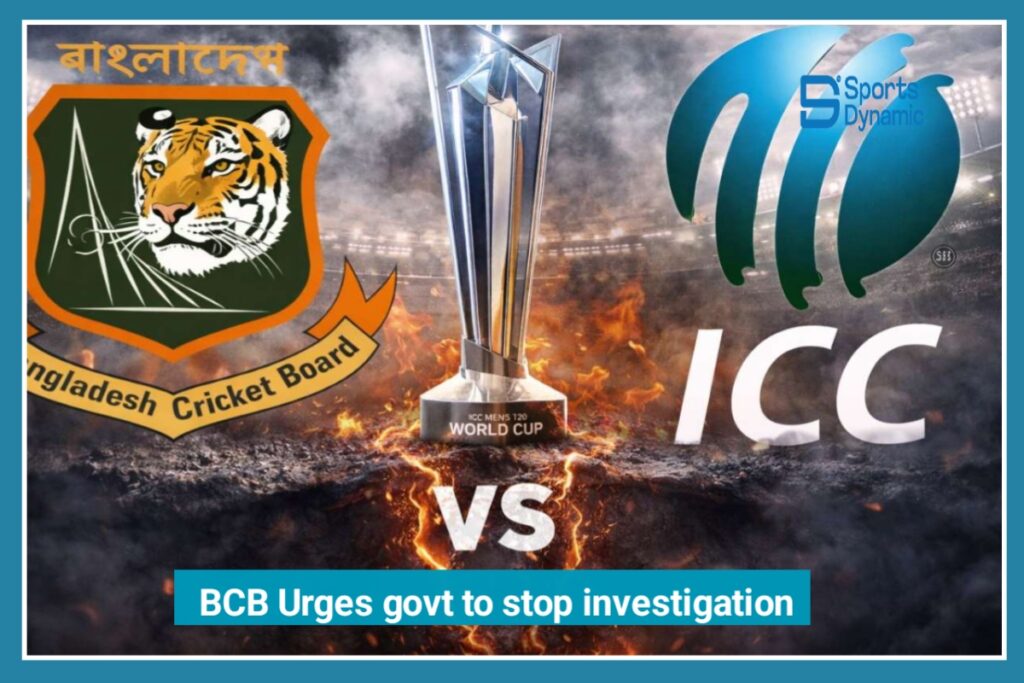
It doesn’t stop there. Bangladesh could also be cut off from major global tournaments like the World Cup, which would be a massive setback not just for players but for fans as well. And of course, all of this would hurt the country’s reputation in the cricketing world.
Looking at all these possible risks, it seems like the BCB is just trying to play safe. By asking the government to stop or pause the investigation, they probably want to avoid any situation where it looks like there is too much government involvement. In a way, this move feels more like a precaution to protect Bangladesh cricket from bigger problems in the future.
A Delicate Balancing Act
This whole situation clearly shows how complicated the relationship can be between sports organizations and government authorities. On one side, the government has a duty to make sure everything is running properly. They need to ensure there is transparency, accountability, and no misuse of power or money in any organization, including cricket boards.
But on the other side, international bodies like the ICC expect cricket boards to work independently, without any kind of political pressure or interference. They believe that keeping politics away from sports is important to protect the fairness and integrity of the game.
Right now, the BCB is stuck in a very tricky position. It’s almost like they’re trying to balance on a thin line. If they ask the government to stop the investigation, people might think they are trying to avoid questions or hide something. That could damage their credibility.
But if they allow the investigation to continue, there’s a real risk that the ICC might step in and take strict action, which could seriously hurt Bangladesh cricket.
Because of all this, reactions from the cricketing world have been quite divided. Some experts strongly feel that cricket boards must stay completely independent, and any government involvement could harm the spirit of the game. At the same time, there are others who believe that no organization should be above scrutiny, and proper checks are necessary—even for cricket boards.
Former players and cricket analysts have also shared their views. Many of them say that transparency is very important if you want long-term growth and trust. But they also understand how strict the ICC can be in such matters and agree that there is a genuine risk of sanctions if things go too far.
Fans, meanwhile, are feeling quite anxious about the situation. Social media is full of discussions, debates, and concerns. A lot of people are worried that Bangladesh cricket, which has been improving steadily over the years, could face isolation at a crucial time. And that’s something no fan would want to see happen.
Impact on Players and Ongoing Cricket Activities
Right now, most of the focus is on the administrative side of things, but the real impact of this situation could actually be felt by the players and teams. Over the past few years, Bangladesh cricket has been improving a lot. The team has produced some really talented players and has started putting up strong, competitive performances in all formats of the game.
But if things go wrong and the ICC decides to take action, all that progress could suddenly come to a halt. A suspension would mean that players won’t get the chance to play against top international teams. That’s a big deal because regular exposure at the highest level is what helps players grow and improve. Without that, their development and even their careers could take a serious hit.
It’s not just international cricket that would be affected. Domestic cricket in Bangladesh could also suffer badly. With less funding and reduced global attention, tournaments at the local level might lose quality and importance. This could create a chain reaction, affecting young players who rely on these platforms to showcase their talent.
On top of that, any ongoing or upcoming bilateral series could be canceled or postponed. This would create a lot of uncertainty—not just for players, but also for broadcasters, sponsors, and everyone involved in the cricketing ecosystem. It would disrupt schedules and cause financial losses as well.
If we look at the past, this kind of situation is not completely new. Other countries have gone through similar issues before. For example, Zimbabwe and Sri Lanka have both faced problems with the ICC due to government interference in their cricket boards.
In those cases, the consequences were quite serious. Some faced temporary suspensions, while others had to deal with long-term damage to their cricket systems. It affected everything—from team performance to the overall structure of the sport in those countries.
That’s why these examples act like a warning sign for Bangladesh. They show how important it is to handle the situation very carefully and avoid any step that could lead to bigger problems in the future.
What Happens Next?
The next few days are going to be very important for everyone involved. The Bangladesh government now has a big decision to make—whether to continue with the investigation as planned or to rethink its approach after the concerns raised by the BCB. It’s not an easy call, because whatever they decide could have serious consequences.
At the same time, the ICC will be keeping a very close eye on everything that’s happening. They are known to be quite strict when it comes to government involvement in cricket matters. Even a small sign that the government is directly controlling or influencing the cricket board could push the ICC to take official action.
There are a few possible ways this situation could move forward. The government might decide to pause or slightly change the investigation so that it doesn’t create any problems with the ICC rules. Another option is that the BCB and the government work together in a balanced way—making sure everything stays transparent while also respecting the ICC’s guidelines. And of course, there is also a chance that the ICC itself steps in, asks questions, or gives a warning if they feel things are going in the wrong direction.
But this issue is not just about one investigation. It actually brings up a much bigger discussion about how cricket should be governed. As cricket becomes more popular and more money gets involved, it becomes even more important to have proper systems in place that ensure honesty, transparency, and accountability.
At the same time, keeping politics away from the game is equally important. International bodies like the ICC strongly believe that cricket boards should function independently. Finding the right balance between these two things—accountability and independence—is not easy. And it’s not just Bangladesh facing this challenge; many cricketing nations around the world deal with similar situations.
What’s happening right now with the Bangladesh Cricket Board and the ICC is more than just an internal issue—it could turn out to be a turning point for Bangladesh cricket. The decisions made in the coming days might shape the future of the sport in the country for years to come.
The BCB’s request to stop the investigation may come from a genuine fear of ICC action, but it also shows how complicated things can get when sports and politics overlap. It’s a sensitive situation where every step needs to be carefully thought out.
For now, everyone—from players to fans to officials—is watching closely and hoping that things get resolved in a way that protects the spirit of the game. At the end of the day, people just want to see Bangladesh continue to grow in international cricket without facing any setbacks.
One thing is clear—this is a high-pressure situation, and whatever happens next won’t just affect Bangladesh. It could also send a strong message to the rest of the cricketing world about how such issues are handled in the future.
Also Read This:
Sanju Samson Opens Up About His First Interaction with MS Dhoni During IPL
IPL History of Controversies: From Spot-Fixing to On-Field Drama (2008–2026)
FOLLOW FOR LATEST UPDATES