
Table of Contents
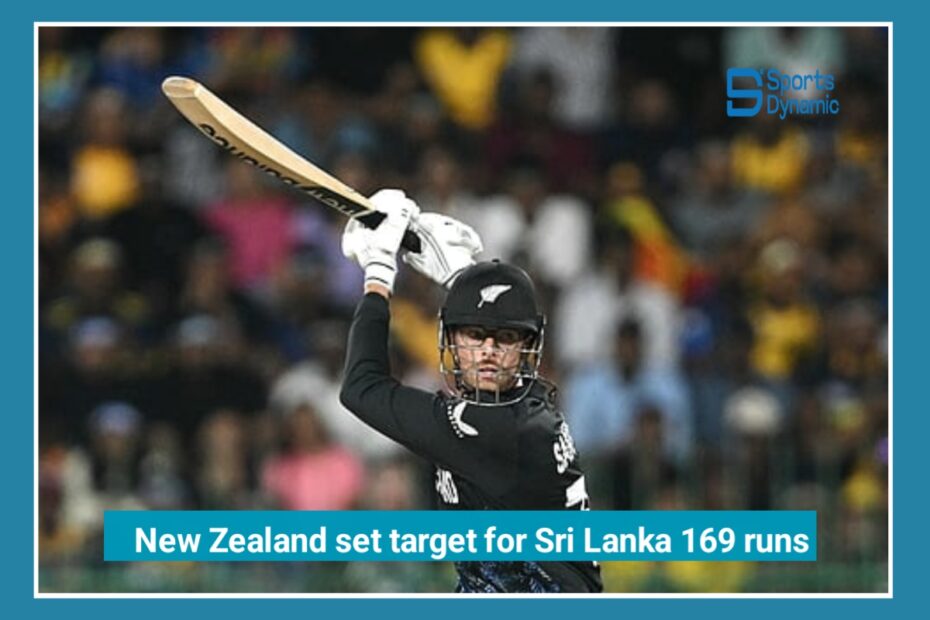
T20 World Cup 2026 New Zealand Post Competitive 169
This Super 8 match between Sri Lanka and New Zealand in the T20 World Cup 2026 started with proper drama and tension right from the beginning. It didn’t feel like a normal group game at all — it felt like a knockout. The pressure was clearly visible on both sides because a semifinal spot was on the line. Every over mattered, every run mattered.
New Zealand first put up 169 runs on the board, which looked like a strong and competitive total on this surface. It wasn’t something impossible to chase, but it was definitely challenging — especially in a high-pressure match. When Sri Lanka began their chase, they would have known that 170 in a must-win situation was not going to be easy.
Things got even tougher for them in the powerplay. Sri Lanka slipped to 20/2 inside the first six overs, and a lot of credit goes to Matt Henry for that. He bowled with real fire and control, picking up two important wickets early. Losing key batters so quickly added extra pressure on the middle order. In a game where you need a solid start, that kind of beginning can really shake the dressing room.
Talking about New Zealand’s innings, they batted smartly. The top order gave them a decent start during the powerplay without taking unnecessary risks. They didn’t go all-out attack, but they kept the scoreboard moving. Later on, Sri Lanka did well to slow things down in the middle overs with tighter bowling and better fielding. For a while, it looked like they might restrict the Kiwis to a lower total.
But New Zealand handled that phase calmly. Their middle-order batters stepped up at the right time and made sure the innings didn’t fall apart. They rotated the strike nicely, picked up boundaries whenever there was a loose ball, and avoided risky shots. That sensible approach helped them push the total close to 170, which in a pressure match feels even more valuable.
Also, the pitch conditions played a part. As expected, the surface started slowing down a bit, and the ball wasn’t coming onto the bat as smoothly later in the innings. On such pitches, chasing becomes tricky because timing big shots gets harder. That’s why 169 looked like a defendable score, especially with New Zealand’s disciplined and experienced bowling lineup.
Overall, this match had that proper World Cup intensity. Sri Lanka now face an uphill battle after their shaky start, while New Zealand are in a strong position, thanks to a competitive total and early breakthroughs. The next few overs will decide whether Sri Lanka can fight back or if New Zealand will tighten their grip and move closer to the semifinals.
Matt Henry’s Early Breakthroughs Rock Sri Lanka
If Sri Lanka were thinking they would get a calm and confident start to their chase, that idea didn’t last very long. Things went wrong quite quickly. Matt Henry came in with the new ball and looked sharp from the very first over. He wasn’t just bowling fast — he had good control, nice movement off the pitch, and was hitting the right areas again and again.
He made the first big impact by getting Pathum Nissanka out early. Nissanka is usually the kind of batter who likes to settle in, build partnerships, and handle pressure situations smartly.
Sri Lanka would have expected him to stay at the crease for a while and guide the chase. But he never really looked comfortable and ended up walking back to the pavilion much earlier than planned. That wicket gave New Zealand exactly the kind of start they were hoping for. And the pressure didn’t stop there.
Matt Henry struck again, this time removing Charith Asalanka. That was another massive blow. Asalanka is known for playing fearless cricket and can change the momentum of a match in just a few overs. He has the ability to attack bowlers and put the fielding side under pressure. Losing him inside the powerplay made things even more difficult for Sri Lanka.
By the end of the first six overs, Sri Lanka were struggling at 20 for 2. That’s definitely not the kind of start you want when you’re chasing 169 in such an important match. Instead of building momentum, they were trying to recover from early damage. The required run rate was slowly climbing, and New Zealand were clearly on top at that stage.
Powerplay Pressure and Mounting Run Rate
In T20 cricket, those first six overs are very important because they usually decide how the rest of the chase is going to look. If you get a strong start, things feel under control. But if you lose early wickets, pressure builds very quickly. That’s exactly what happened with Sri Lanka in this match.
They didn’t just lose two wickets in the powerplay — they also struggled to score runs freely. Boundaries were hard to come by, and the batters couldn’t really dominate the bowlers. As a result, the required run rate kept slowly going up. When that number starts increasing early in the innings, it puts extra pressure on the new batters walking in.
New Zealand’s bowlers deserve a lot of credit for that. They stuck to their plans and bowled with discipline. The lines were tight, the lengths were smart, and they didn’t offer many loose balls. Sri Lanka had to work hard for every single run. On top of that, the fielding was sharp. The field placements were well thought out — singles were cut off, gaps were closed, and the batters were forced to try risky shots to keep the scoreboard moving.
After the powerplay, Sri Lanka still needed 149 runs and had already lost two wickets. That’s not an impossible target in modern T20 cricket, but in a high-pressure, knockout-type game, it becomes tricky. Early wickets can create tension in the dressing room and sometimes lead to panic in the middle.
The next few overs were going to be very important. Either Sri Lanka would calm things down, build a partnership, and slowly fight their way back — or the pressure could cause more mistakes and push them further towards a collapse. In matches like this, momentum can change quickly, but at that moment, New Zealand clearly had the upper hand.
Tactical Brilliance from New Zealand
New Zealand’s plan with the ball was pretty clear from the start — go hard with the new ball and make the most of any early swing or movement. They didn’t hold back. Matt Henry set the tone beautifully. He mixed up his pace, adjusted his lengths smartly, and kept the batters unsure about what was coming next. Some deliveries hurried the batter, while others held up slightly, which made timing difficult.
After the powerplay was done, the focus was expected to shift towards spin. Colombo pitches are known to slow down as the match goes on, and that’s when spinners can really control the game. In T20 cricket, the middle overs are very important. If you can stop boundaries and keep the run rate in check during that phase, the pressure naturally builds on the chasing side.
For New Zealand, the plan was simple — let the spinners come in, tighten things up, and not allow Sri Lanka to rebuild easily. If they could keep things quiet for a few overs and pick up one or two wickets in between, defending 169 would suddenly look much more comfortable.
Another thing that stood out was New Zealand’s energy on the field. They looked switched on all the time. The catching was sharp, throws were quick and accurate, and the players showed aggressive and positive body language. It was clear that they understood how big this match was. In high-pressure games, that kind of intensity in the field can make a huge difference.
Sri Lanka’s Uphill Battle
Before the match even started, Sri Lanka knew the situation was very clear — win this game and keep your semifinal hopes alive, lose it and you’re almost out of the tournament. There was no complicated calculation for them. It was simply a do-or-die contest.
But things became much harder after that shaky start. Chasing 169 is manageable in T20 cricket, but when you’re already 20/2 in the powerplay, the pressure doubles. At that point, Sri Lanka badly needed a solid partnership. They couldn’t afford to lose another quick wicket.
The focus then shifted to the middle order. It was their job to calm things down and rebuild the innings. But rebuilding in T20 cricket isn’t as easy as it sounds. They had to find the right balance — score enough runs to keep up with the required rate, but also avoid taking unnecessary risks. If they played too slowly, the required run rate would shoot up and make the last few overs very difficult. On the other hand, if they tried to attack every ball, there was a big risk of another wicket falling and the chase falling apart completely.
Meanwhile, the atmosphere in the stadium was full of mixed emotions. The fans were still hopeful, believing their team could turn things around. Every time Sri Lanka hit a boundary, the crowd erupted with loud cheers and claps. But whenever there were a few dot balls in a row, you could feel the tension rising in the stands. The silence after a missed opportunity or a risky shot said everything.
It was one of those moments where the match could swing either way — one good partnership could bring Sri Lanka right back into the game, but one more mistake could push them closer to elimination.
Semifinal Implications
This match is about much more than just two points on the table. The bigger picture makes it even more intense. England have already booked their place in the semifinals from this group, which means there’s only one spot left. Sri Lanka, New Zealand, and Pakistan are all fighting for that remaining place, and the competition is extremely tight. If teams end up with the same number of points, net run rate could end up deciding everything. That’s how close this group is.
For Sri Lanka, the situation is very clear. If they fail to chase down 169, their T20 World Cup 2026 campaign will almost certainly be over. After coming this far, getting knocked out at this stage would be a huge disappointment. On the other hand, if New Zealand win this game, they put themselves in a very strong position. It would boost their chances and possibly move them ahead in the semifinal race.
That’s why every single moment in this match feels important. Every wicket changes the mood. Every tight over builds pressure. Even small things — like saving a boundary or stealing a quick single — can make a difference in a match like this.
Looking at the current situation, Sri Lanka at 20/2 in the powerplay are in a tricky spot. The chase is still alive, but it’s hanging in the balance. In modern T20 cricket, 169 is definitely chaseable. One good partnership can change the whole picture. If two batters settle in and play smart cricket for a few overs, Sri Lanka can come right back into the game.
But right now, New Zealand clearly have the upper hand. Matt Henry’s early wickets have given them control, and if their bowlers stay disciplined through the middle overs, defending this total becomes much easier.
The next phase of the match is going to be crucial. This is where the real test begins. Can Sri Lanka handle the pressure, rebuild calmly, and keep their semifinal hopes alive? Or will New Zealand stay sharp, tighten their grip, and move one step closer to the knockout stage?
One thing is certain — this Super 8 clash has everything you expect from a proper T20 World Cup thriller. Early drama, rising tension, smart tactics, and huge consequences. Fans around the world are watching closely because by the end of the night, one team will still be dreaming of the trophy — and the other might be heading home.
Also Read This:
Sri Lanka vs New Zealand Super 8 Thriller: Knockout Drama Unfolds in T20 World Cup 2026
England vs Pakistan T20 WC 2026: Harry Brook’s Sensational Century Seals Thrilling Win
FOLLOW FOR LATEST UPDATES