
Table of Contents
IND vs ZIM: SKY & Pandya Rally India After Abhishek Sharma’s Exit
Chennai, February 26, 2026 — It turned out to be one of those tense nights where every single run felt important. The ICC Men’s T20 World Cup 2026 clash between India and Zimbabwe wasn’t just another group game — it felt like a knockout even before the playoffs had officially begun. As defending champions, India came into this Super Eight match knowing very well that there was no room left for mistakes.
After a disappointing loss to South Africa in their first Super 8 encounter, the pressure was clearly visible. That defeat had not only hurt their confidence but also damaged their net run rate. Suddenly, a team that started the tournament as favorites was staring at a possible early exit. For the Men in Blue, this match against Zimbabwe was simple — win and stay alive, or lose and face serious trouble.
The game was played at the famous MA Chidambaram Stadium in Chennai, a ground known for its passionate crowd and tricky conditions. The atmosphere was electric. Fans filled the stands, waving flags and chanting, hoping their team would bounce back strongly.
Zimbabwe, however, were not in Chennai just to participate. They had already surprised many teams earlier in the tournament with their fearless cricket. Led by Sikandar Raza, they looked confident and well-prepared. When Raza won the toss and chose to bowl first, it showed belief in his bowling attack. It was a brave call, especially against a batting lineup as powerful as India’s. But Zimbabwe clearly wanted to put India under pressure right from the start.
India began their innings with positive intent. Abhishek Sharma, known for his aggressive style, looked sharp and confident at the crease. He attacked the bowlers, found the gaps, and kept the scoreboard moving. For a while, it seemed like India were finally playing with freedom again. But just when things were starting to look comfortable, Abhishek lost his wicket. His dismissal came at a crucial moment and slightly shifted the momentum.
That’s when experienced players had to step up — and they did.
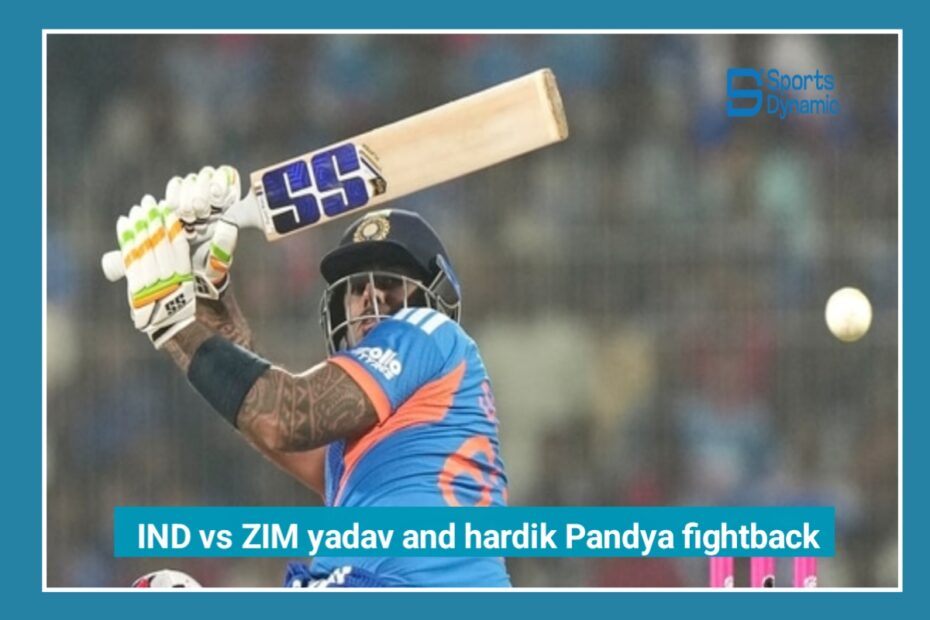
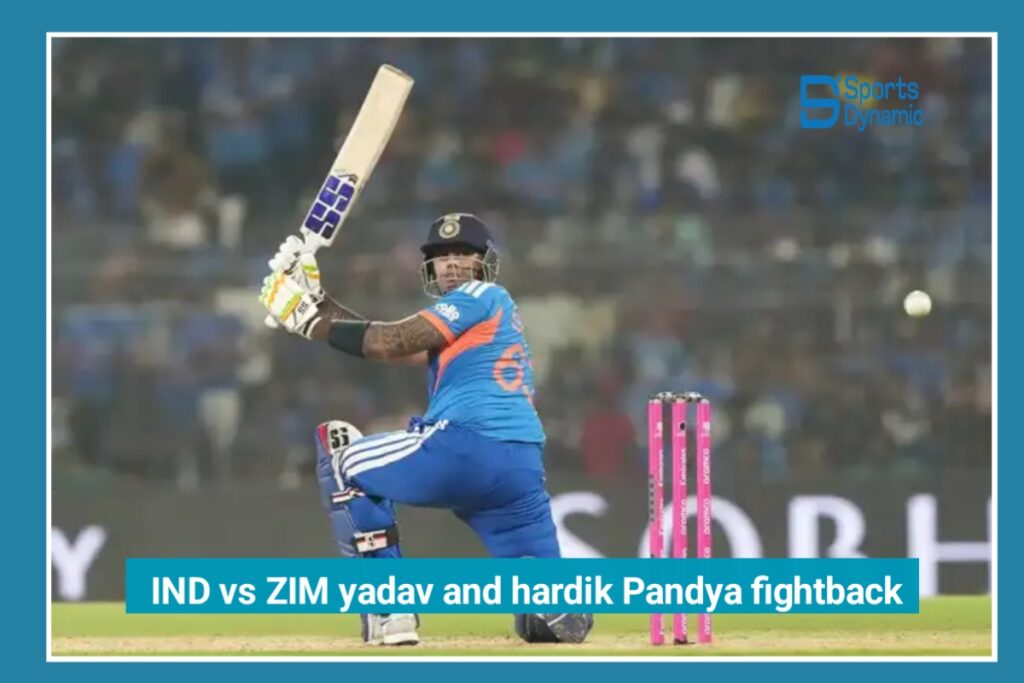
Suryakumar Yadav, calm as ever, walked in with focus written all over his face. He didn’t panic. Instead, he played smart cricket. He rotated the strike, punished the loose balls, and slowly rebuilt the innings. On the other end, Hardik Pandya brought his usual energy and power. He played some fearless shots and made sure the scoring rate didn’t drop. Together, they handled the pressure beautifully.
It wasn’t just about hitting big sixes. It was about understanding the situation. They knew the team needed a steady partnership. They knew a collapse at that stage could end India’s campaign. So they balanced aggression with responsibility. The crowd responded to every boundary with loud cheers, and slowly, the belief started returning — both in the stadium and in the Indian camp.
This match carried huge importance. A victory would keep India’s semifinal dreams alive and restore some confidence. A defeat, on the other hand, could almost shut the door on their title defense. For a team that lifted the trophy not long ago, the idea of an early exit was hard to imagine.
As the innings progressed, it became clear that this was more than just a cricket match. It was about character, resilience, and handling pressure on the biggest stage. Zimbabwe fought hard, but India showed why they are considered one of the strongest teams in world cricket.
In the end, this contest in Chennai reminded everyone why T20 cricket is so exciting. One partnership can change everything. One moment can shift momentum. And when the pressure is at its highest, experienced players like Suryakumar Yadav and Hardik Pandya know exactly how to respond.
Abhishek Sharma’s Departure — A Turning Point
At the start of the innings, Abhishek Sharma looked exactly like the kind of player India needed in a high-pressure game. He came out with confidence, played his natural attacking shots, and didn’t seem bothered by the situation at all. In just 30 balls, he raced to 55 runs, putting Zimbabwe’s bowlers under serious pressure. Every time they tried to tighten things up, he found a way to break free.
He wasn’t just swinging blindly either. His timing was clean, his footwork was sharp, and he picked his gaps smartly. The lofted shots over long-on and deep mid-wicket showed his power, but what impressed even more was how easily he rotated the strike in between boundaries.
He kept the scoreboard ticking and made the fielders chase the ball around. For a while, it felt like India were heading toward a big total without much trouble.
But cricket can change in a single moment.
When Abhishek finally got out, it shifted the mood slightly. The energy dipped, and Zimbabwe sensed an opportunity. His wicket didn’t just remove a set batter — it broke the rhythm India had built. Suddenly, the innings needed rebuilding instead of just accelerating.
That’s when responsibility fell on the shoulders of Suryakumar Yadav and Hardik Pandya. These are the senior guys in the team, the ones who are expected to handle pressure situations. They had to steady things, make sure there wasn’t a collapse, and at the same time keep the run rate healthy. It wasn’t an easy balance, especially in a must-win game, but that’s why experienced players are so important.
Abhishek’s dismissal also started conversations beyond the field. Former cricketers and experts quickly began debating team selection and current form. Virender Sehwag, known for speaking his mind, suggested that maybe India should have considered resting Abhishek and giving Sanju Samson a chance instead. His point was simple — in big matches, especially do-or-die situations, current form should matter more than reputation or potential.
That discussion added another layer to the match. It wasn’t just about runs and wickets anymore; it became about team strategy, selection calls, and whether India had made the right choices under pressure.
In the end, Abhishek’s innings gave India a strong start, but his wicket reminded everyone how quickly momentum can swing in T20 cricket.
Suryakumar & Hardik Rise to the Occasion
After Abhishek got out, the situation could have easily gone the wrong way for India. The momentum had slowed a bit, the crowd had gone slightly quiet, and Zimbabwe sensed a chance to push harder. That’s when Suryakumar Yadav stepped up and took control of the innings.
He didn’t look rushed or nervous. In fact, he looked completely in charge. Even though the pressure was building and the run rate needed to stay high, SKY stayed calm. He picked his shots carefully, used his quick footwork to adjust against both fast bowlers and spinners, and reminded everyone why he’s considered one of the best T20 batters in the world. He wasn’t just trying to smash every ball — he was thinking, calculating, and then attacking at the right moment.
Whenever Zimbabwe tried to slow things down, Suryakumar responded with a clever boundary or a smartly placed shot into the gap. He kept the scoreboard moving, made sure there were no dot-ball buildups, and handled the tension like an experienced leader. It was controlled aggression — not reckless hitting.
At the other end, Hardik Pandya played his natural game. He brought that extra punch India needed. Hardik is known for his clean hitting, especially square of the wicket, and once he got going, the bowlers started feeling the pressure again. He targeted the death overs smartly, picked the right balls to attack, and made sure the run rate didn’t drop. His short but impactful innings gave India the boost they needed at a crucial time.
By the time 14 overs were done, India had crossed 150 for 3. That was a strong position considering the situation. It gave them a real chance to push toward 180 or even beyond — which is usually seen as a competitive total on the Chennai pitch. At Chepauk, 180-plus is often enough to put the chasing team under serious pressure, especially in a high-stakes World Cup match.
But this innings also highlighted some of the problems India had faced earlier in the tournament.
One major issue had been their struggle against quality off-spin bowling. In previous matches, they found it hard to build long partnerships once the spinners came into play. Another concern was their heavy dependence on power hitting during the Powerplay. When those early risks didn’t pay off, the middle order often had to repair damage instead of building momentum.
Apart from Abhishek’s strong knock in this match, the top order had looked a bit inconsistent in the tournament. Players like Tilak Varma had shown promise but failed to convert good starts into big, match-defining scores. That lack of big contributions had put extra pressure on the middle order again and again.
Zimbabwe, on their part, clearly had a plan. Choosing to bowl first showed they believed in their bowlers. They wanted to test India under scoreboard pressure and then chase with clarity later. Their bowlers did well in patches — especially in the early overs — by mixing their pace, using variations, and not allowing too many easy boundaries. At times, they managed to slow the game down and create tension.
Overall, it was a phase of the match where smart cricket mattered more than just big shots. India needed maturity, and thanks to Suryakumar and Hardik, they found it at the right time.
Expert Voices and External Pressure
Before the match even began, there was already a lot of discussion happening in the cricket world about how important this game was for India. Former India captain Anil Kumble clearly said that this was not the time to take Zimbabwe lightly. He pointed out that teams like Zimbabwe can surprise you if you don’t stay fully focused. Just because they may not have the same big reputation as some top sides doesn’t mean they can’t cause serious damage on their day. His message was simple — no overconfidence, no careless cricket.
At the same time, there was pressure building around a few Indian players who hadn’t been in the best form. Names like Abhishek Sharma and Tilak Varma were being discussed constantly by fans and experts. Some people were even questioning whether changes should be made to the playing XI. But India’s batting coach took a different approach. He openly supported the players and said that confidence and stability are more important than making quick changes after every bad performance.
According to him, chopping and changing the team in panic situations can actually create more pressure. He stressed that backing players during tough phases helps them perform better in the long run. It was clear that the team management wanted to show trust rather than react emotionally to outside criticism.
All these opinions from former players, experts, and coaches only increased the tension around the match. It wasn’t just about what was happening on the field — there was a lot of noise outside it too. Fans were debating selections, analysts were questioning strategy, and social media was full of strong opinions.
So when India walked onto the field, they weren’t just playing against Zimbabwe — they were also playing against expectations, pressure, and doubts. That’s what made this match feel even bigger and more intense.
What This Means for India’s World Cup Journey
At this point in the Super Eight stage, nothing is small anymore. Every single run matters. Every wicket changes the mood. Even one tight over can shift the pressure from one team to the other. That’s how serious things are right now for India.
If India manage to beat Zimbabwe in a convincing way, it could almost seal their place in the semifinals — especially if their net run rate improves and other match results go in their favor. In tournaments like this, net run rate can become just as important as wins. A big victory doesn’t just give you two points, it gives you breathing space. On the other hand, if India lose this match, things get very complicated. They would have to depend on other teams’ results and mathematical calculations, and no team wants their World Cup fate decided by someone else’s performance.
Zimbabwe, though, are not an easy side to brush aside. Throughout the tournament, they’ve shown that they are disciplined and smart with their plans. Their bowlers don’t just rely on pace; they mix things up, change angles, and stick to tight lines. They’ve done well against aggressive batting teams before, so India know they cannot relax — even with experienced match-winners like Suryakumar Yadav and Hardik Pandya at the crease. In T20 cricket, one good over or one sudden collapse can completely change the story.
Looking at the bigger picture, this India vs Zimbabwe Super 8 clash in the ICC Men’s T20 World Cup 2026 felt much bigger than a regular group-stage game. It was about handling pressure. It was about staying calm when the stakes are high. And it was about senior players stepping up when the team needed them the most.
After Abhishek Sharma got out, there was a moment where things could have slipped. But Suryakumar and Hardik didn’t allow that to happen. Slowly and steadily, they rebuilt the innings. They didn’t rush. They didn’t panic. They played smart cricket — taking singles, finding boundaries at the right time, and making sure the scoreboard kept moving. Ball by ball, they brought stability back into the innings.
As the game continued under the bright lights of Chennai, you could feel the tension everywhere — in the crowd, in the dugout, even among the commentators. Fans were watching every delivery carefully because in T20 cricket, it only takes one partnership to change everything. One solid stand can decide whether a team moves forward or packs their bags.
Now that India are still in the race, the focus shifts to how they finish this job. The chase, the bowling plans, and the contributions from the rest of the batting lineup will all matter. If things go their way, this night in Chennai could be remembered as a turning point in India’s T20 World Cup journey — a match where they showed character when it mattered most.
Also Read This:
New Zealand Crush Sri Lanka by 61 Runs: Rachin Ravindra Shines in High-Voltage Super 8 Clash
FOLLOW FOR LATEST UPDATES