
Table of Contents
New Zealand vs Sri Lanka Super 8 a Competitive Total
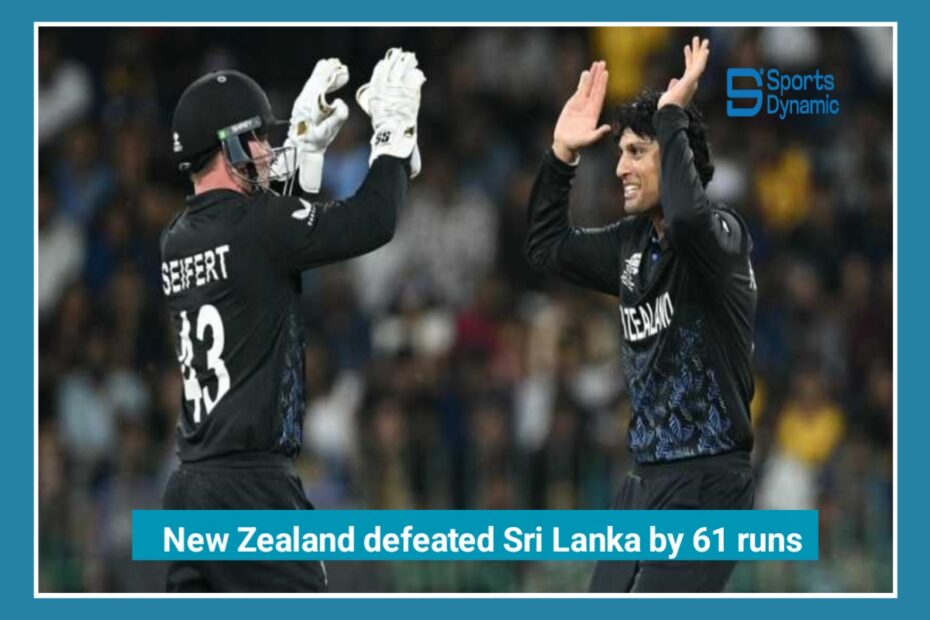
New Zealand came out with a real statement performance in the Super 8 stage of the T20 World Cup 2026, knocking Sri Lanka out of the tournament with a big 61-run win in Colombo.
It was a high-pressure match with semifinal hopes on the line for both teams, and the tension was clearly visible. But when it mattered the most, Rachin Ravindra stepped up and completely changed the direction of the game with a brilliant all-round performance.
Batting first on a pitch that wasn’t exactly flat and easy, New Zealand had to work hard for their runs. The surface at the R. Premadasa Stadium had a bit of grip and some uneven bounce, which made stroke play slightly tricky.
The Kiwi batters understood early on that this wasn’t going to be a 200-plus kind of track. So instead of going all out from ball one, they played with a mix of caution and smart aggression. They picked their moments, respected the good balls, and punished the loose ones.
This wasn’t an innings built around just one batter smashing everything. It was more about teamwork and small but important contributions from different players. Whenever things looked like they were slowing down, someone stepped in to keep the momentum alive.
One such moment came when Mitchell Santner played a handy counter-attacking cameo in the middle overs. Just when the innings seemed to be losing pace, he took a few calculated risks and connected cleanly. His quick runs made a big difference and ensured New Zealand didn’t fall short of a competitive total.
Rachin Ravindra also chipped in with a valuable knock. He didn’t go crazy with big shots every over, but he played smart cricket. He rotated the strike well, kept the scoreboard moving, and found boundaries at the right time. That kind of controlled batting really helped build pressure on the Sri Lankan bowlers.
To be fair, Sri Lanka did try to pull things back. Maheesh Theekshana, in particular, bowled with good control and attempted to slow the game down in the middle overs. There were moments when it looked like New Zealand might struggle to accelerate. But the Black Caps stayed calm, avoided panic, and kept adding runs steadily.
By the end of their 20 overs, New Zealand had put up a total that felt solid and competitive. It wasn’t out of reach, but it was definitely the kind of score that would require a strong and confident start in the chase. And as it turned out, that start never really came for Sri Lanka.
Sri Lanka’s Chase: Early Nerves Return
Sri Lanka walked into this match fully aware that a loss would almost end their journey in the tournament. So naturally, the pressure was huge right from the start of their chase. You could actually sense that tension in the way they began their innings. From the very first over, New Zealand’s bowlers were spot on with their lines and lengths. They didn’t give away easy runs and made the batters work hard for everything.
The early wickets really messed up Sri Lanka’s plans. Instead of settling down and building the chase calmly, they were suddenly forced to rethink their approach. Once again, their top order looked shaky under pressure. The powerplay was supposed to give them a strong base and some early momentum, but instead it pushed them straight onto the back foot.
As the overs went by, the required run rate slowly started creeping up. It wasn’t dramatic at first, but it kept rising steadily, which only added more stress on the batters at the crease. Every dot ball felt heavier, and the crowd could sense the tension building. On top of that, every wicket that fell made things worse and shifted the game more and more in New Zealand’s favor.
The middle order did try to steady things. They attempted to rebuild and bring some calm back into the innings. But the biggest problem was the lack of a proper partnership. They really needed one batter to stay till the end and hold the innings together, while the others played around him and took calculated risks.
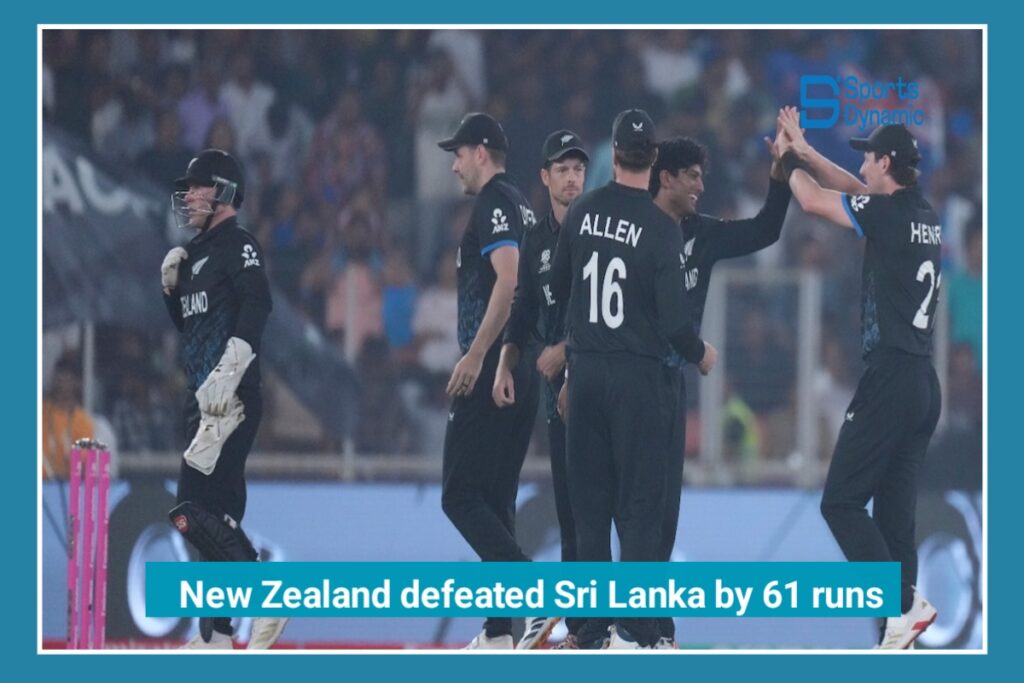
Unfortunately for Sri Lanka, that kind of stability never really came. Just when it looked like someone might settle in, another breakthrough would happen, and the pressure would double again.
Rachin Ravindra’s Game-Changing Spell
If his batting effort was valuable, what he did with the ball was on a completely different level. Rachin Ravindra bowled a spell that people will probably talk about for a long time in this Super 8 stage. He didn’t just come in and bowl flat deliveries. He was smart about it. He kept changing his pace, adjusted his length according to the pitch, and kept aiming at the stumps, forcing the batters to make mistakes.
What really stood out was his timing. Every time Sri Lanka looked like they might build a small partnership and get back into the game, Ravindra stepped in and broke it. Just when a batter started to look settled, he would find a way to get him out. Those wickets were not just numbers on the scoreboard — they hurt Sri Lanka mentally. You could actually see their confidence dropping after each breakthrough.
As the overs passed, the pressure kept building. The crowd, which had started the chase with hope and energy, slowly became quieter. The required runs kept increasing, and with Ravindra striking at key moments, the chase began to slip further and further away. What made his spell truly special wasn’t only the wickets he picked up, but when he picked them up. He got breakthroughs when Sri Lanka tried to attack and also when they were trying to calm things down and rebuild. That balance made sure there was no real chance of a comeback.
Talking about the overall team effort, New Zealand were very sharp tactically. Their field placements showed clear planning. They had done their homework on the Sri Lankan batters. They didn’t allow easy singles in the middle overs, and they placed fielders in the right spots to cut off boundaries. Mitchell Santner handled the bowling changes smartly, rotating his bowlers at the right time so that Sri Lanka never got a chance to relax or score freely.
The bowlers stuck to tight lines, and the fielders backed them up with energetic efforts. Even mistimed shots were chased down quickly, and potential boundaries were saved. It felt like New Zealand were in control of every small detail on the field.
In the end, this victory wasn’t just about one player shining. Yes, Ravindra was outstanding, but the win came from strong teamwork, smart planning, and disciplined execution. It was the kind of performance that shows why New Zealand are always such a tough side in big tournaments.
Sri Lanka’s Campaign Comes to a Close
For Sri Lanka, this loss feels like a really disappointing way to end their T20 World Cup 2026 campaign. They had some good moments earlier in the tournament and at times looked like a team that could challenge anyone.
There were flashes of brilliance here and there, and in a few matches they showed real fight and skill. But when it came to the most important games, especially under pressure, they just couldn’t stay consistent.
One of the biggest problems throughout their campaign was the unstable top order. In big matches, you need your main batters to step up and give you solid starts. But too often, Sri Lanka lost early wickets, which pushed them onto the back foot straight away.
When you’re playing against a strong and disciplined team like New Zealand, you simply can’t afford those mistakes. The margin for error becomes very small, and once you fall behind, it’s very hard to catch up.
This defeat will definitely lead to some serious discussions within the team management. Questions will be asked about the team combination, whether the batting order was right, and whether the middle order had the correct approach in pressure situations. Execution also becomes a big talking point — because at this level, even small errors can change the outcome of a match.
At the same time, it wasn’t all negative for Sri Lanka. The tournament did give some young players valuable experience on a big stage like the World Cup. Playing high-pressure matches against top teams is something that helps players grow. So while this exit hurts right now, there are still positives they can take forward as they start planning for the future.
What This Means for the Super 8 Race
With this big win, New Zealand have really boosted their chances of reaching the semifinals. In a group where even net run rate can decide who goes through, winning by 61 runs is huge. It’s not just about getting two points — it’s also about improving your position strongly on the table and sending out a message.
England have already booked their spot in the semifinals, so now the fight for the remaining place has become even more intense. This result has made that race tighter and more interesting.
The way New Zealand performed in this match shows that they are finding form at the perfect time. In T20 cricket, momentum plays a massive role. A team that starts clicking together at the business end of the tournament becomes very dangerous. Right now, New Zealand look confident, settled, and clear in their plans. That combination can take a team very far in a World Cup.
Looking at the bigger picture, this match had everything that makes T20 cricket so exciting. There were early wickets that changed the mood of the game, intense middle-over battles where bowlers and batters tried to outsmart each other, and smart tactical moves from the captains. Every over felt important because the situation was almost like a knockout game. One mistake could shift everything.
It also reminded fans how quickly things can change in this format. On paper, the target looked competitive but chaseable. However, once New Zealand’s bowlers applied pressure and kept taking wickets at regular intervals, that same total started looking much bigger. Sri Lanka’s chase slowly fell apart under scoreboard pressure and disciplined bowling.
Rachin Ravindra’s performance will be remembered not just because of the numbers he put up, but because of the impact he had on the game. He delivered with both bat and ball when his team needed him the most. In big tournaments, it’s these kind of all-round performances that define a campaign and inspire confidence in the dressing room.
In the end, this 61-run win could turn out to be a key moment in New Zealand’s T20 World Cup 2026 journey. Everything clicked for them — the planning, the execution, the captaincy, and individual brilliance. They didn’t just win; they dominated and made a strong statement.
For Sri Lanka, this is where their journey ends, which will definitely hurt. But for New Zealand, the road ahead looks promising. Their campaign is alive and gaining strength with every match. If they continue playing with the same balance, discipline, and belief, they won’t just be semifinal contenders — they could genuinely challenge for the title.
Also Read This:
Sri Lanka vs New Zealand Super 8 Thriller: Knockout Drama Unfolds in T20 World Cup 2026
England vs Pakistan T20 WC 2026: Harry Brook’s Sensational Century Seals Thrilling Win
FOLLOW FOR LATEST UPDATES