
Table of Contents
New Zealand Opt to Bowl First in Crucial Knockout
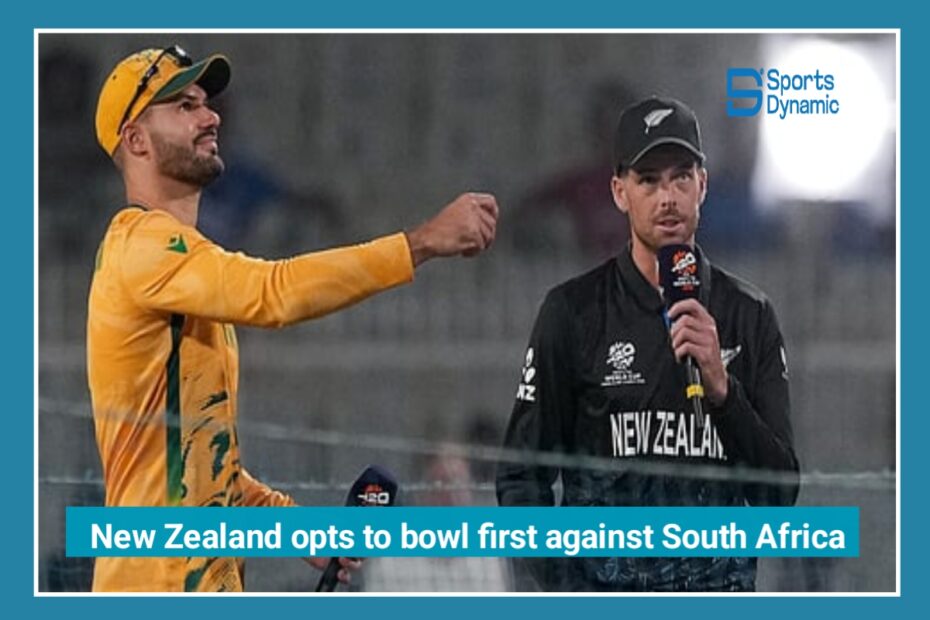
At the toss, New Zealand made a confident and well-thought-out call by choosing to bowl first against South Africa in this massive semi-final showdown. With a place in the final up for grabs, it was a decision that instantly showed they had a clear plan in mind. Rather than hesitating, the Kiwi captain looked certain about what he wanted to do, signaling strong belief in his team’s strengths.
Speaking after the toss, the New Zealand skipper explained that the pitch looked good for bowling early on. There was a hint that the surface might offer some swing and seam movement under the lights, especially with the new ball. In big knockout matches like this, many captains prefer chasing because it gives them a clear target and helps them plan the innings better. New Zealand seemed comfortable with that idea and trusted their bowling unit to strike early and put South Africa under pressure right from the start.
The atmosphere inside the stadium added even more intensity to the moment. The stands were packed with passionate supporters from both nations, waving flags, cheering loudly, and soaking in every second of the occasion. You could almost feel the tension in the air. Semi-finals are different from regular games — the stakes are higher, the pressure is heavier, and every small moment feels huge. It’s not just about skill at this stage; it’s about staying calm, making smart decisions, and handling nerves when everything is on the line.
South Africa Asked to Set the Stage
Getting asked to bat first in a knockout match is never easy. There’s always that extra bit of pressure because you know one bad session can change everything. But South Africa didn’t look nervous as they walked out to the middle.
They carried themselves with confidence and clear intent, showing they were ready for the big stage. With a batting lineup known for power and fearless stroke play, their plan was simple — put up a strong total and make New Zealand feel the heat during the chase.
The opening batters started carefully, which wasn’t surprising given the importance of the match. They respected the conditions and understood that the Kiwi fast bowlers could be dangerous with the new ball.
Early on, there was noticeable seam movement, and New Zealand’s pacers kept things tight. They bowled disciplined lines just outside the off stump, forcing the batters to think twice before playing their shots.
For the first few overs, scoring wasn’t easy. The focus was more on survival and building a base rather than going for big hits. But once they got through that tricky opening phase, South Africa slowly began to find their rhythm.
The middle order, filled with experienced and hard-hitting players, stepped in with a balanced approach. They didn’t rush, yet they didn’t allow the pressure to build either.
By rotating the strike smartly and punishing any loose deliveries, they kept the scoreboard ticking. Boundaries started coming at regular intervals, and you could sense the shift in momentum. What began as a cautious start gradually turned into a steady and controlled build-up, setting the platform for a competitive total in this high-stakes semi-final battle.
Tactical Battle: Pace vs Power
As the match moved forward, this semi-final started to feel like a real battle of strategies rather than just bat versus ball. New Zealand clearly had a plan with the new ball. They tried to make the most of the fresh pitch in the powerplay, using swing and seam to trouble the batters as much as possible.
Their fast bowlers didn’t stick to one pattern — they kept changing things up. Sometimes they bowled it full to tempt a drive, and the next ball would be on a hard length, making it difficult to score freely. The idea was simple: don’t let the batters settle into any kind of rhythm.
South Africa responded in a smart way. Instead of going for wild shots and taking unnecessary risks, they played with controlled aggression. They understood that in knockout matches, building solid partnerships matters more than quick cameos.
So rather than trying to dominate every over, they focused on staying at the crease and supporting each other. In high-pressure games like this, having wickets in hand for the later stages can make a huge difference.
Early in the innings, New Zealand set attacking fields. There were slips in place and fielders positioned in catching areas to create pressure and force errors. Every edge or mistimed shot felt like it could bring a wicket.
But as the innings settled and the ball got older, the field placements changed. The captain spread the field to cut off boundaries and brought in the spinners to slow things down. The goal shifted from taking quick wickets to controlling the run rate and waiting patiently for mistakes.
It was a proper chess match out there — both teams adjusting, reacting, and trying to stay one step ahead in this crucial semi-final showdown.
Semi-Final Pressure: The Mental Game
Knockout matches in cricket come with a different kind of pressure altogether. It’s not like a regular league game where you get another chance if things go wrong. Here, every single moment feels bigger than usual.
A simple dot ball can build pressure quickly, a boundary can suddenly lift the crowd, and one wicket can completely change the direction of the game. You can actually sense the tension in the players’ body language during games like this.
Both teams have plenty of experience when it comes to ICC tournaments. They’ve played on big stages before and know what it takes to handle high-pressure situations. Still, semi-finals have a history of surprising everyone.
Form, rankings, and past records don’t always matter once the match begins. It often comes down to who handles the key moments better on that particular day.
New Zealand, over the past few years, have earned a lot of respect for their consistency in global events. They may not always be labeled as favorites, but they almost always find a way to compete strongly.
One thing that really stands out about them is how calm they remain under pressure. They don’t panic easily, and they don’t depend on just one superstar to win matches. Instead, they focus on teamwork, smart planning, and sticking to their strengths as a group. That collective effort is what makes them such a tough side to beat in big tournaments.
South Africa, on the other hand, have been very clear about wanting to move past the disappointment of previous knockout exits. There has been a lot of talk over the years about their struggles in crucial matches, and this semi-final gives them a golden chance to change that story.
For them, it’s not only about reaching the final — it’s also about proving that they are one of the most balanced and complete teams in world cricket right now. A strong performance here could redefine how people look at them in big tournaments.
Key Performers to Watch
For New Zealand, a lot of attention is on their lead fast bowler and the experienced batters in the middle order who are known for handling run chases calmly. They’ve done it before on big stages, and they trust their ability to stay cool when the pressure is high.
The simple plan for them is clear — if their bowlers can keep South Africa to a score that’s within reach, their batting group will feel confident about chasing it down. They’ve shown in past tournaments that they are comfortable pacing a chase and finishing strong when it matters most.
South Africa, however, have their own strengths to rely on. Their middle order is powerful and capable of changing the game in just a few overs. They are especially dangerous towards the end of an innings.
If they manage to keep enough wickets in hand going into the final overs, they have the firepower to really accelerate. A strong finish in the last five or six overs could easily take the total from competitive to match-winning. That late burst with the bat might end up being the difference between the two sides.
In many ways, this game feels like a battle inside a battle. On one side, you have New Zealand’s disciplined and well-organized bowling attack that sticks to plans and builds pressure patiently.
On the other, there’s South Africa’s aggressive and confident batting lineup that likes to take control and put bowlers on the back foot. How these two approaches clash is likely to define how this semi-final unfolds.
Looking at the conditions, early reports suggested that the pitch would offer some help to the fast bowlers at the start. With a bit of grass and freshness on the surface, the new ball was expected to move around.
But as the match goes on, the pitch is likely to become better for batting. Another important factor could be dew later in the evening, which often makes it harder for bowlers to grip the ball. That possibility may have played a big role in New Zealand’s decision to bowl first, as chasing under lights can sometimes be slightly easier.
The weather, thankfully, looked clear, with no major signs of rain or interruptions. In matches of this importance, even small factors like dew, breeze, or slight changes in pitch behavior can impact the result. But overall, everything seemed set for a full game without delays — the kind of uninterrupted, high-quality contest fans were hoping for in a semi-final of this magnitude.
What’s at Stake?
A place in the final is on the line. So is national pride. And of course, the dream of lifting the trophy at the end of it all. These are the moments players train for and fans wait years to witness.
For New Zealand, this semi-final is another big chance to strengthen their reputation as one of the most dependable teams in world tournaments. Over the years, they’ve consistently shown up on the big stage, and this is yet another opportunity to prove that they belong among the very best.
For South Africa, the motivation is just as strong, maybe even more emotional. It’s about grabbing this moment with both hands and turning potential into real success. They’ve often been seen as a talented side capable of greatness, and this match gives them the platform to translate that promise into something concrete — a place in the final and a serious shot at the title.
In semi-finals, the difference between winning and losing is usually very small. It can come down to just one brilliant over, one important partnership, or one spell of bowling where everything clicks perfectly. A single moment of magic — or a single mistake — can completely shift the momentum. That’s what makes knockout cricket so intense and unpredictable.
By choosing to bowl first, New Zealand made it clear that they want to take control of the game right from the beginning. It shows belief in their bowlers to create early pressure and trust in their batters to handle a chase if needed. More than anything, it reflects their confidence in dealing with high-pressure situations without losing composure.
As the match progresses, fans around the world are glued to their screens, knowing that semi-finals often deliver drama, tension, and unforgettable moments. Whether South Africa manage to post a challenging total or New Zealand’s bowlers stamp their authority early, this contest has all the ingredients of a classic.
The path to the final runs straight through this thrilling showdown. Only one team will move forward, and by the end of the night, one dream will stay alive while the other comes to a painful end.
Also Read This:
New Zealand Cricket’s Mental Strength: Santner Confident Team Will Shine Under Pressure
Eden Gardens Weather Update: SA vs NZ T20 Semi-Final Rain Scenarios Explained
FOLLOW FOR LATEST UPDATES