
Table of Contents
Pakistan opt to Bat in Crucial Contest Against England
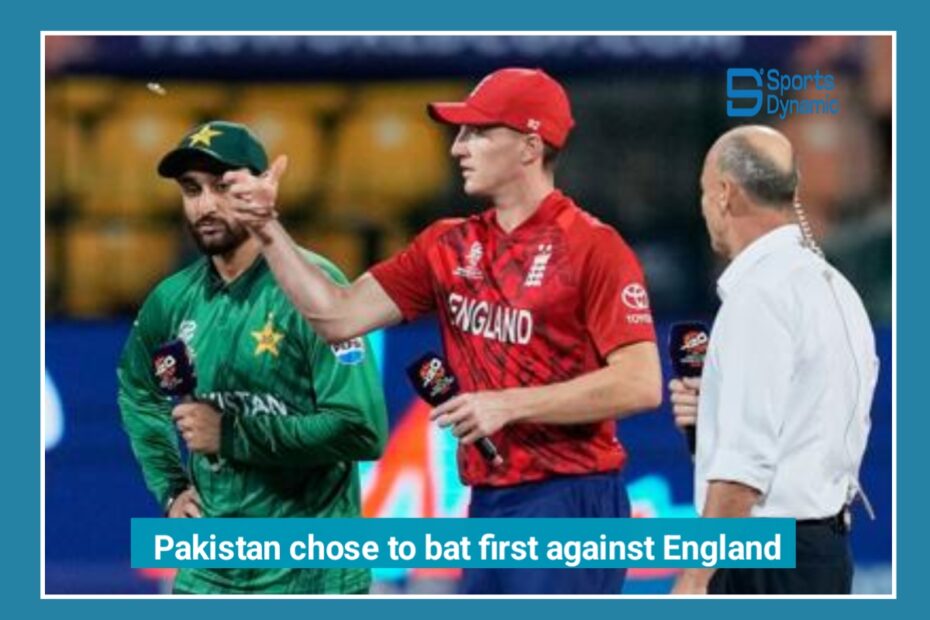
This match has very quickly turned into one of the biggest and most important games of the ICC Men’s T20 World Cup 2026 Super Eight stage. Pakistan won the toss and decided to bat first against England, and it’s a decision that could seriously impact their journey in the tournament. With a place in the semifinals on the line, this isn’t just another group match — it’s almost like a knockout situation for Pakistan.
The game is being played at the Pallekele International Cricket Stadium in Kandy, and as soon as the toss went Pakistan’s way, the atmosphere became even more intense. Fans in the stadium and those watching around the world immediately started debating whether batting first was the right call. Former cricketers and experts also shared mixed reactions, which shows just how crucial this moment was.
When Pakistan captain Salman Ali Agha walked out for the toss alongside England skipper Harry Brook, you could sense how serious the situation was. Both teams understood what was at stake. Pakistan need this win to keep their semifinal hopes alive and stay competitive in the Super Eight table. England, on the other hand, are looking to strengthen their position and move one step closer to the knockout stage.
There’s pressure on both sides, but especially on Pakistan. They know that one mistake could cost them the tournament. At the same time, England will want to take advantage of that pressure and play their natural aggressive game. All in all, everything about this match — from the toss decision to the team combinations — shows that we’re in for a tight, high-pressure, and possibly unforgettable contest.
Why Pakistan Chose to Bat First — Strategy and Conditions
Pakistan’s choice to bat first after winning the toss wasn’t something they decided in a hurry. It clearly looked like a well-thought-out move based on the pitch conditions and overall match situation. The surface in Kandy was expected to be good for batting at the start, with decent bounce and a nice pace on the ball. That kind of pitch usually helps batters play their shots freely, especially in the first half of the game, so Pakistan probably felt this was the best time to take advantage and put up a strong total.
At the toss, captain Salman Ali Agha sounded quite confident. He mentioned that the wicket looked solid for batting and that putting runs on the board in a big match like this can really create pressure on the opposition. His idea seemed simple — score big first, then let the bowlers defend it. Pakistan clearly believe that if they can post a challenging target, their bowling attack has enough quality to control the game later on.
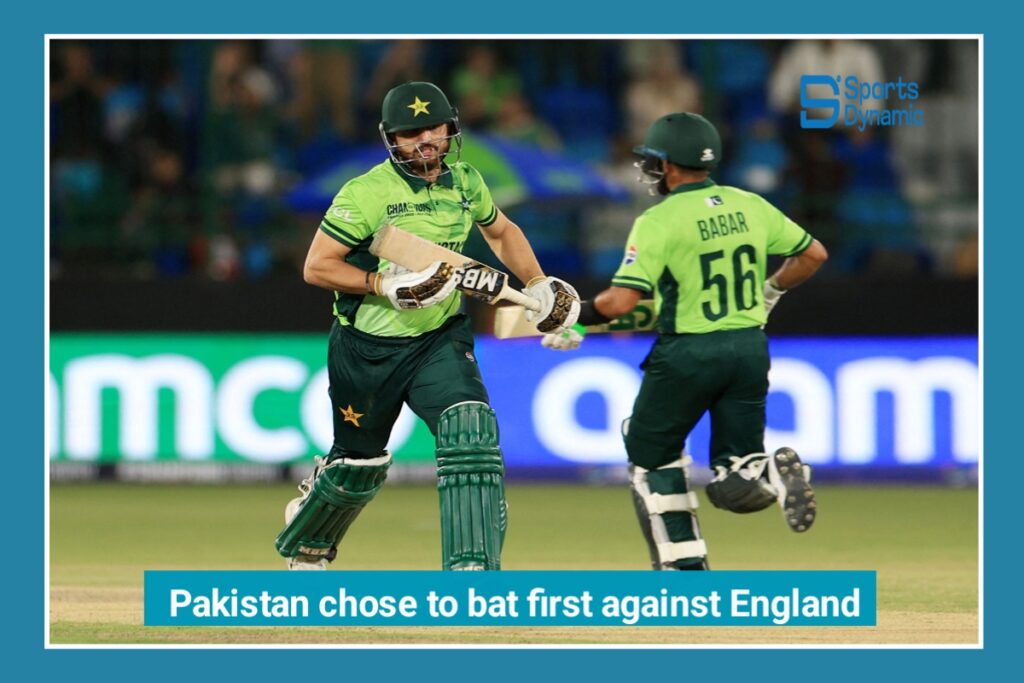
On the other side, England captain Harry Brook had a slightly different view. He hinted that if the toss had gone his way, he might have chosen to bowl first instead. According to him, conditions later in the evening — especially with dew possibly coming in — could make chasing easier. When dew settles, the ball can get wet and slippery, which makes it harder for bowlers to grip properly. That often helps the batting side during a run chase.
So basically, both teams had their own clear plans in mind. Pakistan wanted scoreboard pressure, while England were probably more comfortable chasing under lights. It just shows how important small decisions like the toss can become in a high-stakes match like this.
Pakistan’s Plans with the Bat
Pakistan’s batting lineup has a really nice mix of experience and attacking players, which is exactly what you need in T20 cricket. They have guys who can go hard from the very first over and others who know how to control the innings if things get tough. That balance makes them dangerous on their day.
Openers like Sahibzada Farhan and Saim Ayub have already shown in this tournament that they’re not afraid to play their shots early. If they get going in the Powerplay, Pakistan can quickly build momentum and put the bowlers under pressure. A fast start at the top always makes life easier for the rest of the batting order.
Then you have experienced names like Babar Azam and Fakhar Zaman. These players know how to handle big-match pressure. They can slow things down if needed, build partnerships in the middle overs, and then shift gears at the right time. Their role becomes even more important if early wickets fall, because they have the temperament to take the game deep and guide the team toward a strong finish.
For Pakistan, the game plan looks pretty clear. First, they need a steady but positive start in the Powerplay without losing too many wickets. After that, the focus should be on building solid partnerships in the middle overs instead of throwing wickets away. And finally, in the last five overs, they’ll want their big hitters to go all out and score quickly with clean, powerful shots.
Inside the Pakistan camp, the thinking seems to be that if they can put up something around 170 to 180 runs — or even more — it could really challenge England. Under lights in Kandy, conditions can sometimes become tricky. Dew can make it harder for bowlers to grip the ball properly, but it can also create pressure on the chasing side if the target is big enough. So for Pakistan, crossing that 170–180 mark could be the key to putting England under serious scoreboard pressure.
England’s Response and Game Plan
England have built a strong reputation in modern cricket for chasing big targets without fear. Over the last few years, they’ve shown again and again that they don’t panic in run chases, no matter how big the score is. So even though Pakistan decided to bat first and try to put pressure on them, England are likely to walk into this match feeling confident about their ability to hunt down a total.
Their batting lineup is packed with power. Players like Jos Buttler, Phil Salt, and captain Harry Brook are known for playing attacking cricket right from the start. If their top order gets a solid beginning and doesn’t lose early wickets, England have enough depth and firepower to keep up with the required run rate and even dominate the chase.
The way England usually approach games like this is quite clear. First, they try to attack in the Powerplay and grab momentum early. They don’t like to sit back and wait. Then, in the middle overs, they rotate strike smartly but also look for boundaries whenever there’s a loose delivery. And if the bowlers make mistakes — like bowling too short or too full — England’s batters are quick to punish them. In the final overs, their big hitters can really accelerate and finish the game strongly.
That said, chasing in a must-win match is never as easy as it sounds. The pressure of the situation can make even experienced players nervous. Scoreboard pressure is real, especially if the target is big and wickets fall early.
There’s also the question of conditions. If dew settles in later in the evening, it could make batting easier because the ball might skid on nicely. At the same time, if the dew doesn’t arrive as expected, Pakistan’s spinners might get better grip and control, which could slow things down for England. So while England definitely have the confidence and talent to chase, a lot will depend on how the match unfolds and how well they handle the pressure on the night.
Team News and Changes
One of the biggest talking points before the match even started was Pakistan’s team selection. They decided to bring back experienced fast bowler Shaheen Shah Afridi into the playing XI, replacing all-rounder Faheem Ashraf. This wasn’t just a random change — it clearly shows that Pakistan want a stronger and more attacking bowling combination for such an important game. By including Shaheen, they add extra pace and wicket-taking ability with the new ball, especially in the powerplay overs. At the same time, they still have their spin options to control the middle overs. So overall, it looks like Pakistan are trying to create the right balance between speed and spin to challenge England in every phase of the innings.
England, on the other hand, decided not to make any changes. They went with the same playing XI that has worked well for them earlier in the Super Eight stage. That decision shows confidence. It tells us that England believe their current combination is strong enough and that there’s no need to fix something that isn’t broken.
Now when we look at what this match actually means for both teams, the pressure becomes even more clear.
For Pakistan, this game is almost like a knockout. If they win, their chances of reaching the semifinals improve massively and they stay alive in the competition with strong momentum. But if they lose, things could get very complicated. Their qualification might then depend on other match results, which is never a comfortable situation to be in.
For England, the situation is slightly better but still serious. A win here would push them closer to securing a semifinal spot and strengthen their position at the top of the group. However, if they lose, it could suddenly create pressure in their remaining matches and make the race tighter than expected.
That’s why the toss decision was about much more than just choosing to bat or bowl. For Pakistan, it was a statement. It was about showing confidence, taking control early, and trying to dictate how the game unfolds. In a must-win situation like this, every small decision becomes huge — and Pakistan clearly wanted to set the tone right from the start.
Expert Analysis — Why the Toss Decision Matters
Many cricket experts believe that batting first in a high-pressure match can actually give a team a mental edge. When you put a big total on the board, it automatically creates scoreboard pressure. The team chasing knows exactly how many runs they need, and if the target is big enough, they sometimes feel forced to take extra risks. That pressure can lead to mistakes, especially in important games where every run matters.
Some analysts have also pointed out that Pakistan already had one match washed out earlier in the Super Eight stage. Because of that, this game has become even more important for them. They don’t really have much room for error now. A strong performance here could help them regain momentum and confidence in the tournament.
There’s also the factor of dew and night conditions. Many people feel that batting first allows a team to make the most of the better early conditions. Under lights, things can change quickly. If dew settles in, bowlers sometimes struggle to grip the ball properly. On the other hand, if the dew doesn’t arrive as expected, batting in the second innings could become slightly tricky. So by choosing to bat first, Pakistan may be trying to control the early part of the game and avoid unexpected problems later.
As the match goes on under the bright lights of Kandy, all eyes will be on Pakistan’s batters. The big question is whether they can turn this tactical decision into a strong total on the scoreboard. At the same time, England’s reply will be just as interesting. They are known for their fearless chasing style, and this game will truly test their ability to handle pressure on a big stage.
One thing is already clear — this is not just a regular group-stage match. It feels like a turning point in the 2026 T20 World Cup for both teams. The outcome could shape the rest of their campaign and possibly even decide who moves closer to the trophy. It has all the ingredients of a memorable contest that fans might talk about for a long time.
Also Read This:
MS Dhoni in IPL 2026, But There’s a Big Twist CSK Fans Didn’t Expect
Zimbabwe vs West Indies T20 World Cup 2026: Bold Toss Decision Sets Up Super 8 Thriller
FOLLOW FOR LATEST UPDATES