
Table of Contents
South Africa opt to Bat First Against India: Toss Decision Sets the Tone
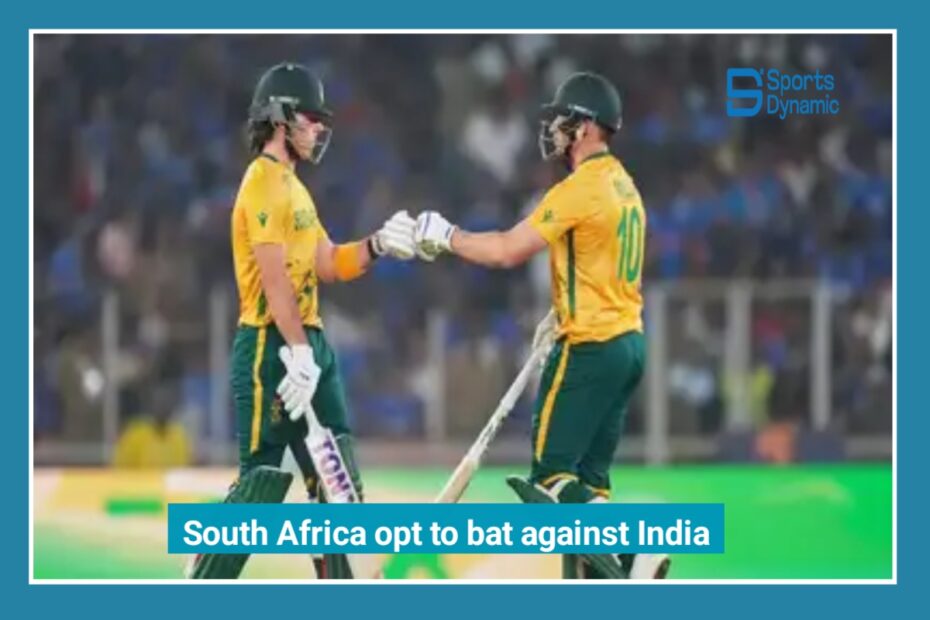
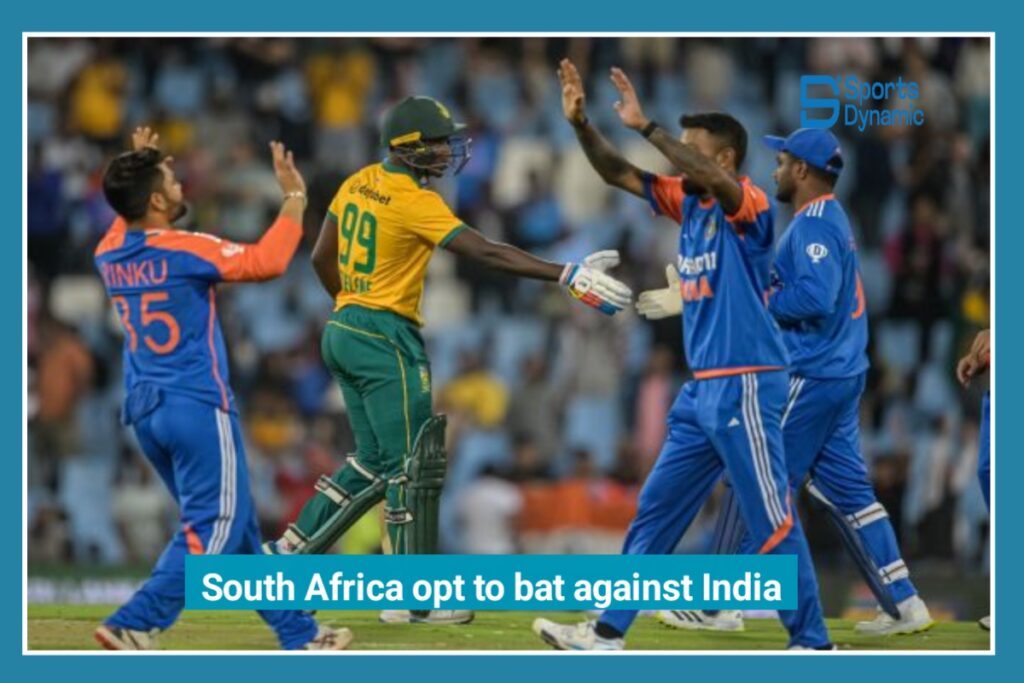
In a very important match that could have a big impact on how the tournament moves forward, South Africa decided to bat first after winning the toss against India. This decision has made the contest even more exciting because both teams are strong, confident, and full of match-winners. From the start itself, it feels like a high-pressure, high-quality game. By choosing to bat first, South Africa are clearly showing that they trust their batting line-up and believe they can put up a strong total on the board and then defend it under pressure.
At the toss, the captain of the South Africa national cricket team said that the pitch looked solid and good for batting, especially in the early overs. According to him, there wasn’t much grass on the surface, and the bounce looked even, which usually helps batters play their shots freely. That’s probably why they felt it was better to make use of the fresh pitch conditions before it changes later in the game.
There is also a chance that the pitch could slow down as the match progresses. If that happens, it might become slightly difficult to score quickly in the second innings. Spinners and bowlers who use slower deliveries could get more help later on. So, batting first not only gives South Africa the advantage of better early conditions but also allows their bowlers to take advantage of any changes in the surface while defending the total.
On the other hand, the India national cricket team looked ready for both situations — whether to bat first or chase. India have done well in recent chases and have shown that they can handle scoreboard pressure calmly. At the same time, they also have a strong and aggressive top order that can score quickly during the powerplay if they bat first.
However, since India are bowling first in this match, their main focus will be on taking early wickets. If they allow South Africa to settle and build partnerships, it could become very difficult to control the scoring later. Early breakthroughs will be key for India to stop South Africa from posting a big total.
Overall, the toss decision has added another interesting layer to an already thrilling contest. Now it all depends on how well South Africa start with the bat and how effectively India respond with the ball in the first few overs. The stage is perfectly set for a gripping battle between two top-quality teams.
Early Overs: Powerplay Crucial
South Africa’s game plan in the powerplay is going to be very important in this match. The first six overs can really set the tone for the entire innings. India’s new-ball bowlers are known for getting swing in the air and some movement off the pitch, especially in the early stages. So, South Africa’s openers cannot just go out and start hitting every ball. They will need to play smart cricket — mixing attacking shots with sensible defense.
It’s all about finding the right balance. If they attack too much, they risk losing early wickets. But if they play too slowly, they might miss out on scoring when the field restrictions are in place. So, rotating strike, putting away loose deliveries, and building a steady partnership will be key. If South Africa can get through the powerplay without losing too many wickets, they can build a strong base for the rest of the innings. In that case, a total of 170 or even 180-plus could definitely be on the cards, depending on how the pitch behaves.
On the other side, India’s bowling unit will try to stay tight and disciplined. They won’t want to give away easy boundaries. Expect them to stick to good line and length, bowl in the right areas, and back it up with sharp fielding. In big matches like this, one early wicket can completely change the energy of the game. If India manage to break the opening partnership quickly, the pressure will immediately shift onto South Africa’s middle order.
This early battle between South Africa’s aggressive top-order batters and India’s fast bowlers is likely to be one of the most exciting parts of the match. Whichever side wins this phase could gain a huge advantage going forward.
Middle Overs: Spin and Strategy
The middle overs are usually the phase where a team either builds strongly on a good start or suddenly loses control of the innings. This is the time when the game can quietly shift in one direction without people even realizing it. For South Africa, this period will be about smart cricket rather than wild hitting. They won’t want to throw away wickets by playing risky shots. Instead, they’ll try to keep the scoreboard moving by rotating the strike, taking singles and doubles regularly, and picking the right bowlers to attack.
India’s spinners are known for slowing things down in the middle overs. They don’t always go for wickets immediately, but they create pressure by not giving easy runs. That pressure often forces batters into mistakes. So South Africa will need to stay patient and choose the right moments to attack. If they can handle the spin well and avoid getting stuck, they can set themselves up nicely for a big finish later.
From India’s point of view, these overs are extremely important. Their spin duo will look to take advantage of any help from the pitch. If the surface starts getting a little slower, even slightly, it can make timing difficult for batters. Changes in pace, flighted deliveries, and clever variations could bring wickets. India’s main goal during overs 7 to 15 will be to control the run rate and pick up one or two key wickets. If they manage that, South Africa won’t be able to go all-out in the final overs.
Now coming to the death overs — this is where modern T20 matches are often decided. The last five overs can completely change the final score. South Africa have powerful finishers who can clear the boundary with ease. If they have wickets in hand, they can score very quickly and add 50 or 60 runs in no time.
But India’s death bowling has improved a lot in recent times. Their bowlers now focus more on accurate yorkers, slower balls that are hard to read, and wide deliveries outside the off stump to stop batters from hitting freely. Execution becomes everything in this phase. One or two bad overs can undo all the hard work done earlier.
If South Africa finish strongly and cross something like 175 or more, it automatically creates scoreboard pressure. Even strong batting sides feel the tension while chasing big totals. On the other hand, if India bowl smartly and keep the score under control in the final overs, the match could swing heavily in their favor even before they come out to bat.
India’s Chase: Calculated Aggression
If South Africa manage to put up a good total on the board, then India’s chase will depend a lot on how well they start. A calm and steady beginning will be very important. India’s top-order batters are quite experienced and usually play well even when there is pressure. Over the last few years, they have shown that they know how to build an innings properly instead of just going for big shots from the first ball.
In the past, there were times when India played too aggressively while chasing and ended up losing quick wickets. But now, the team looks more balanced. They focus more on building partnerships, understanding the situation, and then increasing the scoring rate at the right time. They don’t rush without a plan. This smarter approach has helped them chase tricky targets more comfortably.
One big challenge for India will be handling South Africa’s fast bowlers. South Africa are known for their strong pace attack. Their bowlers hit the pitch hard and generate extra bounce, which can make things uncomfortable for batters. Some players enjoy pace coming onto the bat, but steep bounce and sharp movement can still create problems. So India’s batters will need to adjust quickly — maybe play late, use soft hands, and avoid risky shots early on.
If India manage to handle that pace attack confidently and don’t lose early wickets, the chase could become very exciting. With the kind of power hitters they have in the middle and lower order, even a big target can turn into a thrilling, high-scoring contest.
Talking about tactics, this match is not just about talent or big names. It’s also about smart planning and quick decisions on the field. Small tactical moves can make a huge difference. Things like field placements, bowling changes at the right moment, and targeting specific matchups will all matter a lot.
For example, South Africa might try using short balls against certain Indian batters who may not be as comfortable against rising deliveries. In response, India could send in left-right batting combinations to disturb the bowlers’ rhythm and force them to constantly adjust their line and length.
There could also be important moments like power surge phases or strategic timeouts (depending on the format rules), where teams regroup, rethink plans, and make small adjustments that change the direction of the game. Both sides are smart and well-prepared for pressure matches, so it will be interesting to see who makes better decisions at the key moments.
Psychological Edge and Recent Form
Momentum is very important in any tournament. When a team starts winning and building confidence, it changes their body language and overall mindset. South Africa choosing to bat first shows that they want to take control of the game from the beginning. It sends a clear message that they are not looking to play safe or wait for things to happen — they want to set the tone and put pressure on India.
In the past, South Africa have sometimes struggled in big knockout or high-pressure matches. There have been moments where things didn’t go their way when it mattered the most. But this current team looks different. In recent matches, they have played with more maturity and calmness. They seem more united and confident, and that belief can make a big difference in tight situations.
On the other hand, India always carry huge expectations from fans. Whenever they play in a major tournament, there is pressure to perform and win. But at the same time, many of their key players have been part of several ICC events before. They are used to big crowds, intense moments, and high-stakes matches. That experience helps them stay composed when the game gets tight.
In matches like this, especially during the final overs, emotions can run high. One mistake, one dropped catch, or one expensive over can change everything. The team that keeps its cool, sticks to its plans, and doesn’t panic under pressure will likely have the upper hand. Staying calm in those crunch moments could be the real difference between winning and losing.
Conditions and Weather Outlook
Right now, the weather looks clear and stable, and there doesn’t seem to be any major threat of rain interrupting the match. That’s good news for both teams and the fans. However, as the game moves into the evening, dew might come into play if the humidity increases. If there’s heavy dew on the ground, it can make the ball wet and slippery, which usually makes life difficult for bowlers — especially spinners. In that case, the team chasing could get a slight advantage because batting becomes a bit easier under lights.
But if dew doesn’t become a big factor, then South Africa’s bowlers will get a fair chance to defend whatever score their batters put up. The outfield is said to be very quick, which means even well-timed shots that are not fully powerful can still reach the boundary. Because of that, bowlers will have to be extra careful with their line and length. Even small mistakes can be punished on a fast outfield like this.
Talking about what’s at stake, this is not just another regular match. In short tournament formats, every single game is extremely important. One win can completely change the points table and boost a team’s net run rate, which often becomes crucial later on. Apart from points, there is also a psychological edge. Winning a big match like this can give a team huge confidence going forward.
For South Africa, if they manage to defend the total after choosing to bat first, it will prove that their decision at the toss was spot on. It will also show that their plans and strategies are working perfectly. On the other hand, if India chase down a challenging target, it will once again prove that they are flexible, confident, and capable of handling pressure in different situations.
This match is not just about bat and ball — it’s also about two different approaches. One team is trying to set the tone by putting runs on the board and building scoreboard pressure. The other team is ready to respond smartly and chase with control and planning.
As South Africa start their innings, all eyes will be on their openers. They need to give a strong start to justify the decision to bat first. A powerful beginning could really lift the team’s energy and confidence. At the same time, India will be focused on breaking that momentum early by taking quick wickets.
No matter which way the result goes, fans can expect a thrilling contest. There will likely be shifts in momentum, smart tactical moves, and moments of individual brilliance. In today’s T20 cricket, the difference between winning and losing is often very small. With South Africa choosing to bat first against India, everything is perfectly set for an exciting and memorable clash.
Also Read This:
T20 World Cup 2026: Will Rain Wash Out England vs Sri Lanka Super 8 Match in Pallekele?
PAK vs NZ Intense Countdown: 10:16 PM Cut-Off Time Looms Over PAK vs NZ T20 World Cup Match
FOLLOW FOR LATEST UPDATES