

Table of Contents
India vs Zimbabwe: Zimbabwe Elects to Field First in Chennai
In what turned out to be a seriously high-pressure Super 8 clash in the ICC Men’s T20 World Cup 2026, Zimbabwe made a bold call that caught a lot of people by surprise. After winning the toss, they decided to bowl first against hosts and defending champions India at the famous MA Chidambaram Stadium in Chennai on Thursday, February 26, 2026.
It wasn’t just a routine toss decision — it felt like a statement. Choosing to field first in such a crucial match showed that Zimbabwe were ready to take risks and back their strategy, even against a powerhouse like India. The atmosphere in Chennai was electric, and you could sense the tension in the air because so much was riding on this game for both teams.
This wasn’t just another Super 8 fixture on the schedule. It was practically a knockout game in terms of importance. India came into the match under a lot of pressure.
After suffering a heavy defeat earlier in the Super 8 stage, their net run rate had taken a serious hit. That meant they didn’t just need to win — they needed a strong, convincing win to keep their semifinal hopes alive. Anything less could make their path to the last four extremely complicated.
Zimbabwe, on the other hand, had experienced a bit of a rollercoaster tournament so far. They had already surprised a few stronger teams earlier in the competition and proved they weren’t just here to make up the numbers.
But in their recent matches, they struggled to maintain consistency and couldn’t quite finish games the way they would have liked. So heading into this clash against India, they also had a point to prove.
With both teams carrying different kinds of pressure — India fighting to stay in the tournament and Zimbabwe fighting to stay relevant in the semifinal race — this match had all the ingredients of a thriller. And it all started with that one bold decision at the toss.
The Toss and Tactical Thinking
At the time of the toss, Zimbabwe skipper Sikandar Raza had a big smile on his face after winning the coin flip. Without wasting much time, he chose to bowl first. The pitch in Chennai was said to be slightly damp, and that usually helps fast bowlers, especially in the early overs when the ball is still new.
In evening matches, there’s often a bit of movement in the air and off the surface, so Raza clearly wanted his bowlers to make the most of those conditions.
The thinking behind the decision was pretty simple and practical. Zimbabwe wanted to take advantage of whatever help the pitch was offering at the start, try to keep India’s batting lineup under control, and restrict them to a manageable total.
The plan was that chasing later might become easier, especially if the conditions improved and the pitch settled down. Teams often prefer knowing exactly how many runs they need, so bowling first also gave them clarity for the second innings.
This move also showed how much confidence Zimbabwe had in their bowling unit. They were backing their fast bowlers to do the job upfront. Players like Blessing Muzarabani and Richard Ngarava were expected to lead the charge with the new ball.
Both are capable of generating bounce and pace, and if there was even a little assistance from the pitch, they could really trouble the Indian batters. Overall, it wasn’t a random choice — it was a calculated and confident decision that showed Zimbabwe were ready to compete hard.
India’s Response: Changes, Pressure, and Strategy
Even though India looked strong on paper and were considered favorites before the tournament began, things hadn’t gone exactly as planned for them. Their campaign had hit a rough patch. That heavy defeat against South Africa really hurt — not just emotionally, but also in terms of net run rate.
In a tournament like the T20 World Cup, net run rate can make a huge difference, and that loss meant India now couldn’t afford any more slip-ups. From this point on, every match was almost like a knockout game for them.
At the toss, captain Suryakumar Yadav was honest about his preference. He said he would have liked to bat first. At Chepauk, many teams prefer setting a target because the pitch is usually good for batting, especially in the first innings.
But even though the toss didn’t go India’s way, Surya kept a positive attitude. He made it clear that one bad match doesn’t define the team’s ability or character. The message was simple — they still believed in themselves and were ready to bounce back strongly.
India also made a couple of changes to freshen things up and improve team balance. Sanju Samson came into the playing XI in place of Rinku Singh, adding more attacking intent at the top or in the middle order. Axar Patel was brought in for Washington Sundar, which gave the team a bit more all-round flexibility.
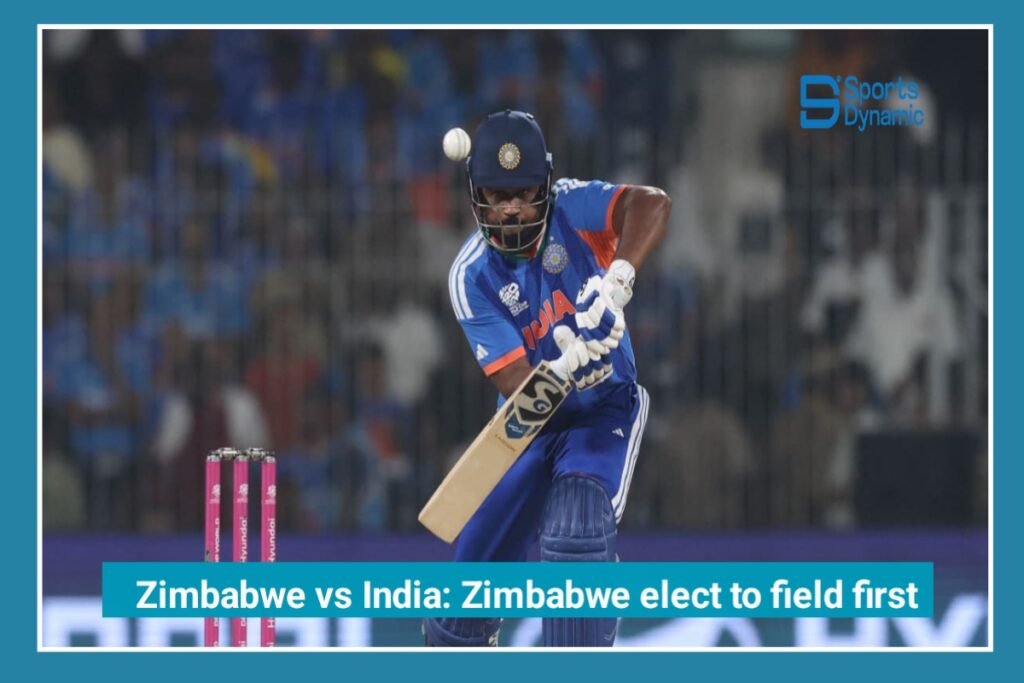
Axar can contribute with both bat and ball, especially in the middle overs where control and smart decision-making are crucial. These changes showed that India were not sitting back — they were actively trying to adjust and find the right combination at an important stage of the tournament.
Chennai Conditions: Pitch, Dew, and Smart Planning
The MA Chidambaram Stadium in Chennai is famous for its loud, passionate crowd and traditionally good batting surfaces. Most fans were expecting another high-scoring contest. However, this time around, weather conditions also became a big talking point before the game even started.
In night matches at Chepauk, dew often becomes a serious factor in the second innings. When dew settles on the ground, the ball gets wet and slippery, making it very hard for bowlers to grip properly. That usually helps the batting side because the ball comes nicely onto the bat under lights. This possibility of heavy dew was one of the major reasons why Zimbabwe decided to bowl first after winning the toss.
Interestingly, the stadium authorities tried something new to deal with this issue. They used a special anti-dew chemical spray called “Dew Cure,” which was reportedly brought in from the United States. It was applied to the outfield before the match in an attempt to reduce the impact of dew later in the evening. This move showed how seriously everyone was taking even the smallest factors that could influence the result.
So it wasn’t just about batting line-ups and bowling strategies — even weather and ground conditions became part of the bigger tactical battle. Whether the anti-dew treatment would actually work or not was one of the big questions being discussed before the first ball was bowled.
Team Compositions — Experience Meets Strategy
Zimbabwe Line-Up
Zimbabwe’s playing XI looked like a smart mix of experience and young energy. They didn’t just rely on one or two big names — it felt like a well-balanced side that knew its roles clearly. Leading from the front was captain Sikandar Raza, who had an extra bit of motivation going into this match. He was just 15 runs away from becoming the first Zimbabwean cricketer to reach 3000 T20I runs, which is a huge personal milestone. So apart from the team’s goals, there was also that special achievement waiting around the corner for him.
Alongside Raza, experienced players like Ryan Burl and Tony Munyonga were expected to play key roles. Both had already delivered important performances earlier in the tournament when Zimbabwe surprised a few stronger teams. Their ability to step up in pressure situations had given Zimbabwe confidence that they could compete against top sides like India as well. Overall, it was a team that might not always grab headlines, but definitely had the hunger and belief to challenge anyone on their day.
India’s XI
India, on the other hand, packed their lineup with star power and depth. The presence of players like Sanju Samson, Ishan Kishan, and Hardik Pandya made their batting look strong and flexible. They had aggressive options at the top and experienced finishers in the middle order, which meant they could shift gears whenever needed.
When it came to bowling, much of the responsibility rested on the shoulders of Jasprit Bumrah and Arshdeep Singh. Both are known for handling pressure well, especially in big tournaments. The plan was simple — keep Zimbabwe’s scoring under control and make sure the target stayed within reach. With the kind of experience India had in their bowling attack, they were expected to manage crucial moments smartly.
In-Match Developments and Current Scenario
As soon as the match started, it became clear that Zimbabwe’s decision to bowl first wasn’t just a random call — it actually began shaping the game early on. Their bowlers were disciplined right from the start, sticking to tight lines and lengths and not giving Indian batters too much freedom. The early overs were competitive, with India being forced to work hard for every boundary.
Openers Sanju Samson and Abhishek Sharma tried to settle things down and build a steady partnership. They understood how important the powerplay overs were. Against a well-organized bowling attack, the goal wasn’t just to attack blindly but to rotate the strike and avoid losing early wickets. It was a careful balancing act between caution and aggression.
Meanwhile, the atmosphere at Chepauk was absolutely buzzing. The crowd was loud and fully aware of how important this match was for semifinal qualification. But along with the excitement, there was visible tension too.
Every dot ball, every boundary, and every appeal felt significant. With semifinal spots hanging in the balance, each delivery had the potential to change the direction of not just the match, but possibly the entire tournament journey for both teams.
Bigger Picture: Semifinal Scenario and Tournament Implications
This wasn’t just another match on the schedule — for India, it almost felt like a do-or-die situation. Their chances of reaching the semifinals were heavily dependent on this result. If they managed to win, especially with a strong performance, their campaign would stay alive and the belief in the dressing room would remain strong. But if they lost, things would get very complicated.
They would then have to depend on other teams’ results and net run rate calculations, which is never a comfortable position to be in during a big tournament.
Zimbabwe, in comparison, looked slightly more relaxed from the outside because expectations weren’t as heavy on them. But that doesn’t mean they didn’t understand the importance of this game. A solid win against a team like India could completely change their tournament story and push them right into the semifinal race.
So their decision to bowl first wasn’t just a random risk based on the weather or pitch. It was a well-thought-out move, keeping in mind the bigger picture of the tournament and how things could unfold in the Super 8 stage.
What Experts Had to Say
As expected, cricket experts and former players quickly started sharing their opinions about Zimbabwe’s bold call at the toss. Some pointed out that choosing to bowl first can sometimes backfire.
If the dew doesn’t really come into play later in the evening, or if the pitch stays good for batting throughout, the team batting first can post a huge total and put massive pressure on the chasing side. And with India’s strong batting lineup, that risk was definitely there.
On the other hand, Zimbabwe’s players made it clear that they trusted their plan completely. They believed in their bowlers and in their ability to chase under pressure. More importantly, they spoke about playing fearless cricket.
That same fearless approach had already helped them pull off surprise wins earlier in the tournament. So for them, this wasn’t about playing safe — it was about backing themselves against a top team.
A Game That Could Shape the Tournament
When you look at the bigger picture, Zimbabwe’s choice to field first in this Super 8 clash added an extra layer of drama to an already high-pressure contest. The pitch had a bit of help for seamers early on, and later conditions were expected to favor batting under lights. All these small factors made the toss decision incredibly important.
As the match unfolded under the bright lights of Chepauk, with the crowd cheering loudly and every run being celebrated or worried over, it became clear that this was about much more than just numbers on the scoreboard. It was about momentum, confidence, and survival in the World Cup.
Both teams had different pressures, different motivations, and different strategies — and that’s what made this contest so gripping. By the end of the night, the result of this one game could very well influence how the rest of the 2026 T20 World Cup plays out for both India and Zimbabwe.
Also Read This:
Sri Lanka vs New Zealand Super 8 Thriller: Knockout Drama Unfolds in T20 World Cup 2026
England vs Pakistan T20 WC 2026: Harry Brook’s Sensational Century Seals Thrilling Win
FOLLOW FOR LATEST UPDATES