
Table of Contents
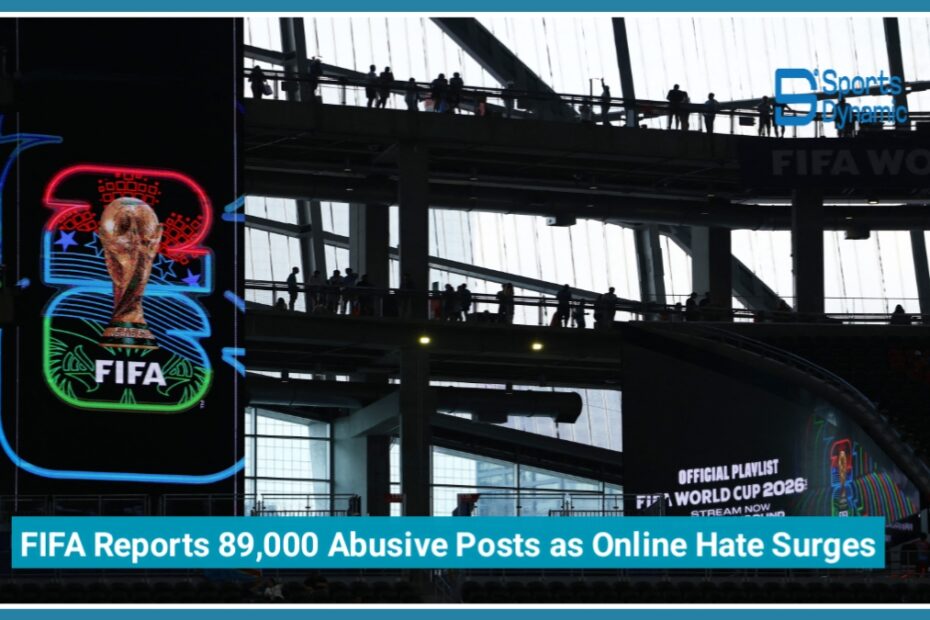
The 2026 FIFA World Cup has brought fans unforgettable matches, stunning goals, and emotional moments from across the globe. But while millions of supporters are celebrating football, FIFA has revealed a worrying side of the tournament that is unfolding online.
According to the world football governing body, nearly 89,000 abusive social media posts were detected during the group stage of the tournament. The findings have once again highlighted how online hate, personal attacks, and racist comments continue to affect players, coaches, referees, and officials despite repeated campaigns against discrimination.
FIFA says it is taking the issue seriously and is using advanced technology along with human experts to identify harmful content and protect everyone involved in the tournament.
FIFA’s Digital Monitoring System Detects Thousands of Abusive Posts
To keep an eye on online activity during the World Cup, FIFA has been using its Social Media Protection Service (SMPS), a system designed to monitor public posts and comments across major social media platforms.
During the group stage alone, the service reviewed more than six million public posts and comments related to the tournament. Out of these, around 225,000 posts were marked for a closer look because they appeared to contain offensive or harmful language.
After detailed human verification, almost 89,000 posts were confirmed as abusive and in violation of FIFA’s online safety guidelines.
The organization says the system doesn’t depend only on artificial intelligence. Every suspicious post is also checked by trained moderators to make sure the action taken is fair and accurate.
Racial Abuse Remains a Serious Concern
One of the biggest concerns highlighted in FIFA’s latest report is the increase in racist abuse directed at players.
According to the governing body, around 11 percent of all abusive posts contained racist language. That means thousands of messages included discrimination based on race or ethnicity, something football has been trying to eliminate for years.
Despite campaigns promoting equality and respect, many players continue to become targets after missing penalties, making mistakes, or simply representing their countries on the biggest stage.
FIFA believes there is no place for racism in football—whether it happens inside the stadium or behind a mobile phone screen.
Bigger Tournament, Bigger Online Challenges
This year’s FIFA World Cup is unlike any previous edition. With 48 national teams taking part for the first time, the competition has become larger than ever before.
More matches naturally mean more fans discussing football online. Millions of additional comments, reactions, and opinions are being shared every day across different social media platforms.
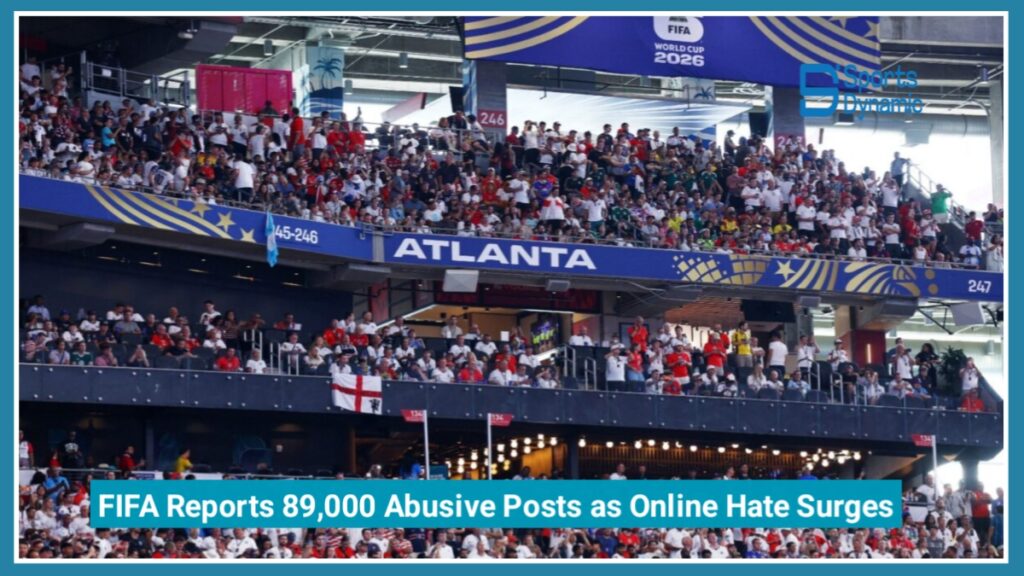
While FIFA admits that the expansion has increased overall online activity, officials say the sharp jump in abusive content cannot be explained by tournament size alone. They believe stronger moderation and better cooperation with social media companies are now more important than ever.
Hundreds of Accounts Now Under Investigation
FIFA isn’t stopping at simply removing harmful comments.
The organization confirmed that around 1,000 social media accounts have been identified for repeated abusive behaviour and have been referred for further investigation.
The Social Media Protection Service also automatically hid nearly 181,000 offensive comments before they became visible on official player and team accounts.
Besides abusive messages, the system dealt with millions of spam comments, fake profiles, and bot-generated content, helping create a safer online environment throughout the competition.
FIFA Says Legal Action Is Possible
FIFA has made it clear that serious online abuse could have legal consequences.
The organization is collecting evidence against users who post threats, discriminatory remarks, or other criminal content. In many cases, the information is being prepared so it can be shared with law enforcement authorities.
Officials say more than 100 cases have already reached the stage where legal files can be prepared if required.
This sends a strong message that hiding behind anonymous social media accounts will not necessarily protect people from facing consequences.
Players Continue to Face Online Hate
Unfortunately, online abuse has become a common problem in modern football.
Players often receive thousands of messages after important matches, especially if they miss penalties or make costly mistakes. While many fans offer support, others choose to spread hate and personal attacks.
During this World Cup, several international players reportedly received racist abuse after their team’s elimination, once again showing how quickly online criticism can cross the line.
Football experts believe these incidents also affect players’ mental health, confidence, and families, making it an issue that extends far beyond the game itself.
Technology Playing a Bigger Role in Player Protection
FIFA believes technology will continue to play a major role in tackling online abuse.
Its Social Media Protection Service combines artificial intelligence with human moderators who can understand different languages and cultural contexts before deciding whether a post should be removed or hidden.
The system is designed to filter harmful comments quickly, allowing players, teams, and fans to enjoy healthier conversations during major tournaments.
Officials say they will continue improving these tools as online abuse evolves over time.
The Fight Against Online Hate Is Far From Over
Even with advanced technology, FIFA admits that the battle against online abuse is far from finished.
Social media has become an important part of football, allowing fans to celebrate victories and discuss matches instantly. Unfortunately, it also gives some users an opportunity to spread hate without thinking about the impact their words can have.
FIFA says creating a respectful online environment will require cooperation from football organizations, social media companies, governments, and supporters themselves.
Respect, sportsmanship, and responsible online behaviour are just as important as what happens on the pitch.
The 2026 FIFA World Cup has once again shown how powerful football is in bringing people together. However, FIFA’s latest report also reminds us that the digital side of the sport still faces serious challenges.
With nearly 89,000 abusive social media posts detected during just the group stage, online hate remains a major issue that cannot be ignored. Through better technology, stricter moderation, and possible legal action, FIFA hopes to protect players and officials from unnecessary abuse.
As the tournament moves into its final stages, the message is simple: football should be remembered for great performances and unforgettable moments—not for hate shared on social media.
Also Read This:
Haryaksh Hits 142 Off 49 as Meerut Spartans Crush Gurugram Vipers on Day 6
FOLLOW FOR LATEST UPDATES